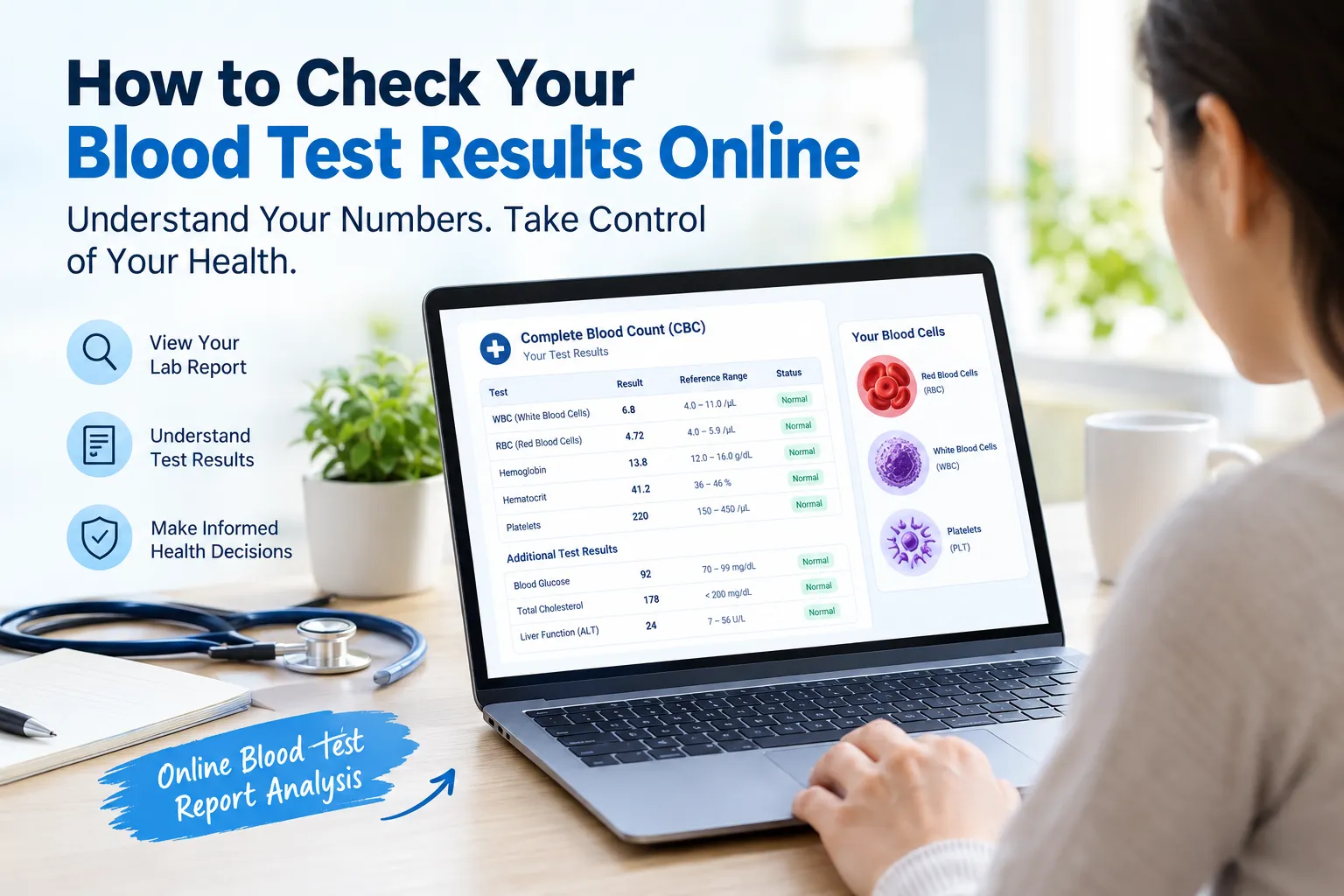

Waiting for laboratory reports can be an anxious experience, especially when you are not sure what the complex medical terminology and numbers mean. Understanding your health profile is crucial, and knowing how to navigate your lab data is the first step toward taking charge of your well-being. Today, patients have more access to their health records than ever before. If you want to check your blood results online, doing so can help you review your reports more conveniently from the comfort of your home.
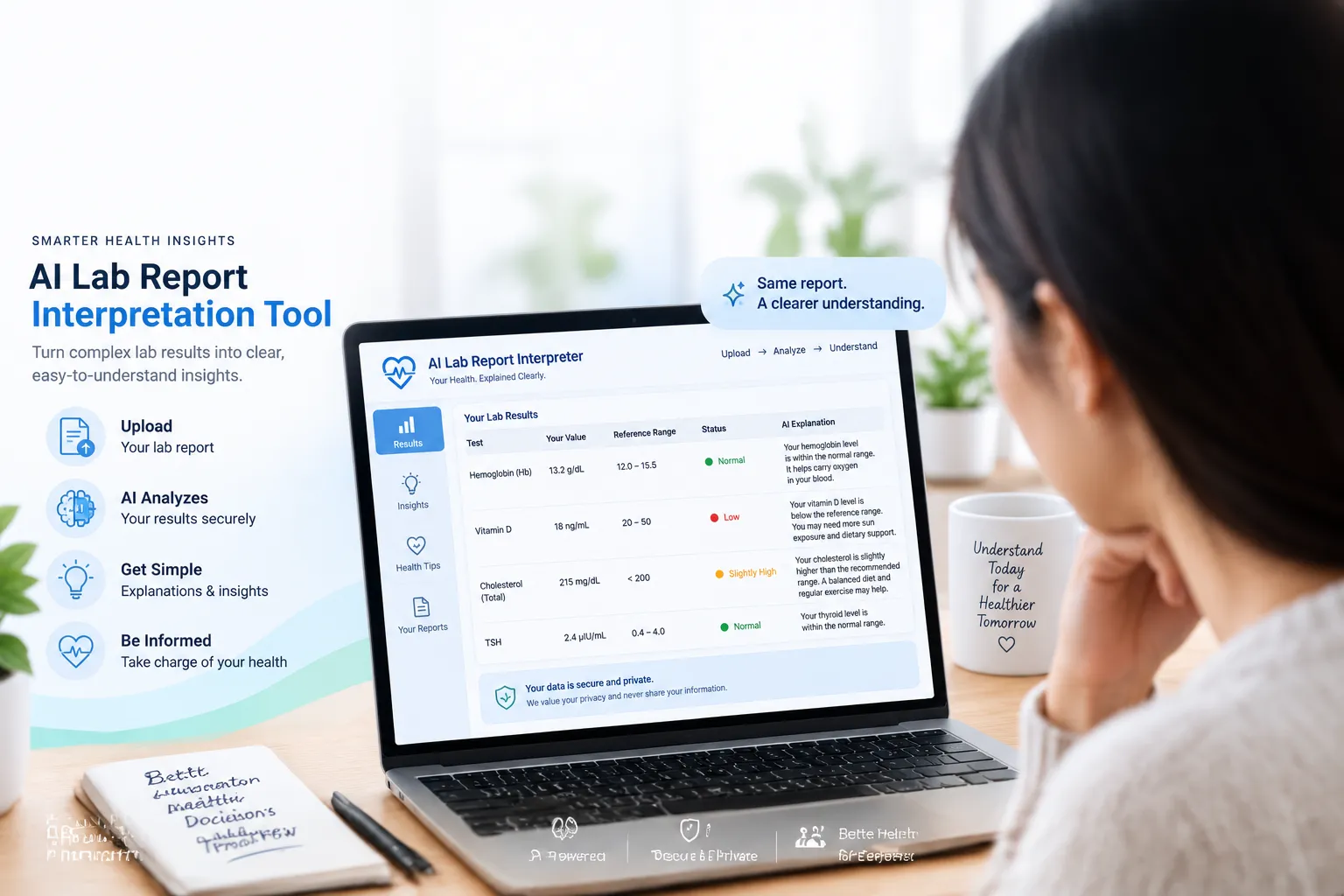
Looking for a convenient way to understand your laboratory report? Explore eDigiHealth’s Blood Test Report Analysis to learn more about interpreting your blood test results. This guide will walk you through everything you need to know about navigating your reports safely and effectively.
What Does It Mean to Check Your Blood Test Results Online?
When you check your blood test results online, you are accessing a digital copy of the laboratory analysis performed on your blood sample. Most modern clinics, hospitals, and diagnostic laboratories provide patients with secure online portals or mobile applications where these reports are uploaded. Instead of waiting for a doctor's appointment or a letter in the mail, you can view your metrics—such as cell counts, hormone levels, and metabolic functions—as soon as they are processed.
Why Is It Important to Understand Your Blood Test Report?
Being proactive about your health means participating actively in your care. When you understand your blood test report, you can have more meaningful, informed discussions with your doctor. Recognizing the names of the tests and the general purpose of the markers being measured helps reduce the anxiety of the unknown. It also empowers you to ask specific questions about your diet, lifestyle, and potential treatments during your next medical consultation.
How to Check Your Blood Results Online Step by Step
Accessing your digital medical records is generally a straightforward process:
- Register for the Patient Portal: When you visit the lab or clinic, ask about their online patient portal. You will usually need to provide an email address and create a secure password.
- Verify Your Identity: Due to strict privacy laws regarding medical records (such as HIPAA in the United States), you may need to verify your identity using a code sent to your phone or email.
- Navigate to "Lab Results": Once logged in, look for a tab labeled "Test Results," "Lab Reports," or "Health Records."
- Download or View: Click on the specific date of your blood draw to view the document. Many portals allow you to download a PDF copy for your personal records.
Common Blood Tests and What Their Results May Indicate
Laboratory reports often feature abbreviations that can be confusing for general readers. Here are a few common tests you might encounter:
- Complete Blood Count (CBC): A CBC report analysis measures different parts of your blood, including red blood cells, white blood cells, and platelets. It helps evaluate your overall health and detect disorders like anemia or infections.
- Hemoglobin: This is the protein in red blood cells that carries oxygen. Low levels often indicate anemia, while high levels might point to dehydration or other conditions.
- Blood Glucose: Often measured while fasting, this test checks your blood sugar levels and is a primary tool for screening and monitoring diabetes.
- Cholesterol (Lipid Panel): This test measures different types of fats in your blood, including HDL (good cholesterol), LDL (bad cholesterol), and triglycerides. It is crucial for assessing heart health.
- Liver Function Tests: These check the levels of certain enzymes and proteins in your blood to see how well your liver is filtering and processing substances.
How to Understand Normal and Abnormal Reference Ranges
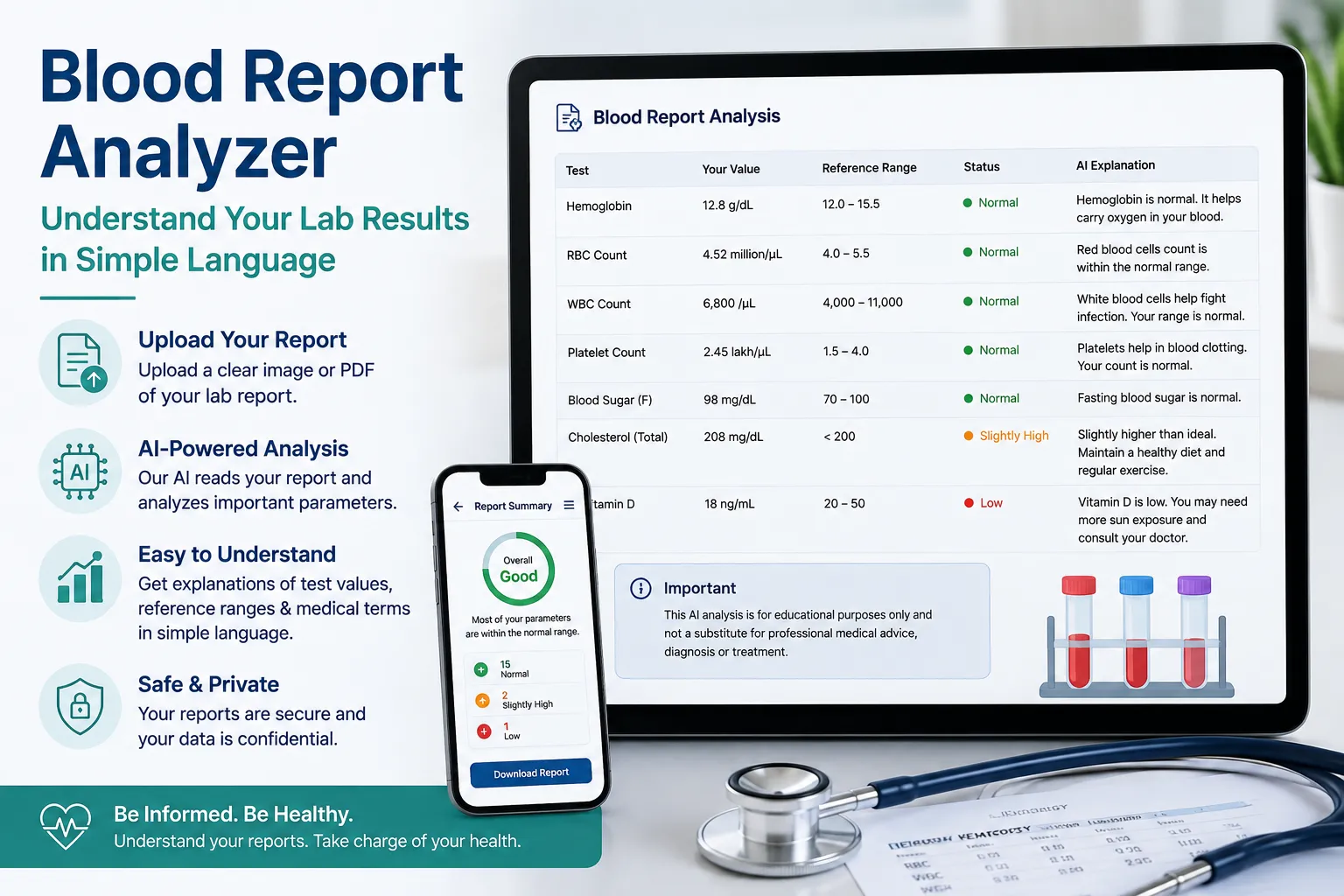
When you look at your report, you will usually see your result next to a "reference range" or "normal range." This range represents the high and low values found in the majority of healthy people.
It is vital to understand that blood test reference ranges vary by laboratory. The equipment and testing methods used can slightly alter the standard values. If you want to check your blood test results online and better understand the values in your report, visit eDigiHealth’s online blood test report analysis tool for additional guidance.
Remember, a result that falls slightly outside the standard reference range does not automatically mean you have a medical condition. Age, gender, diet, medications, and even the time of day the blood was drawn can affect these numbers.
Benefits of Using Online Blood Test Report Analysis Tools
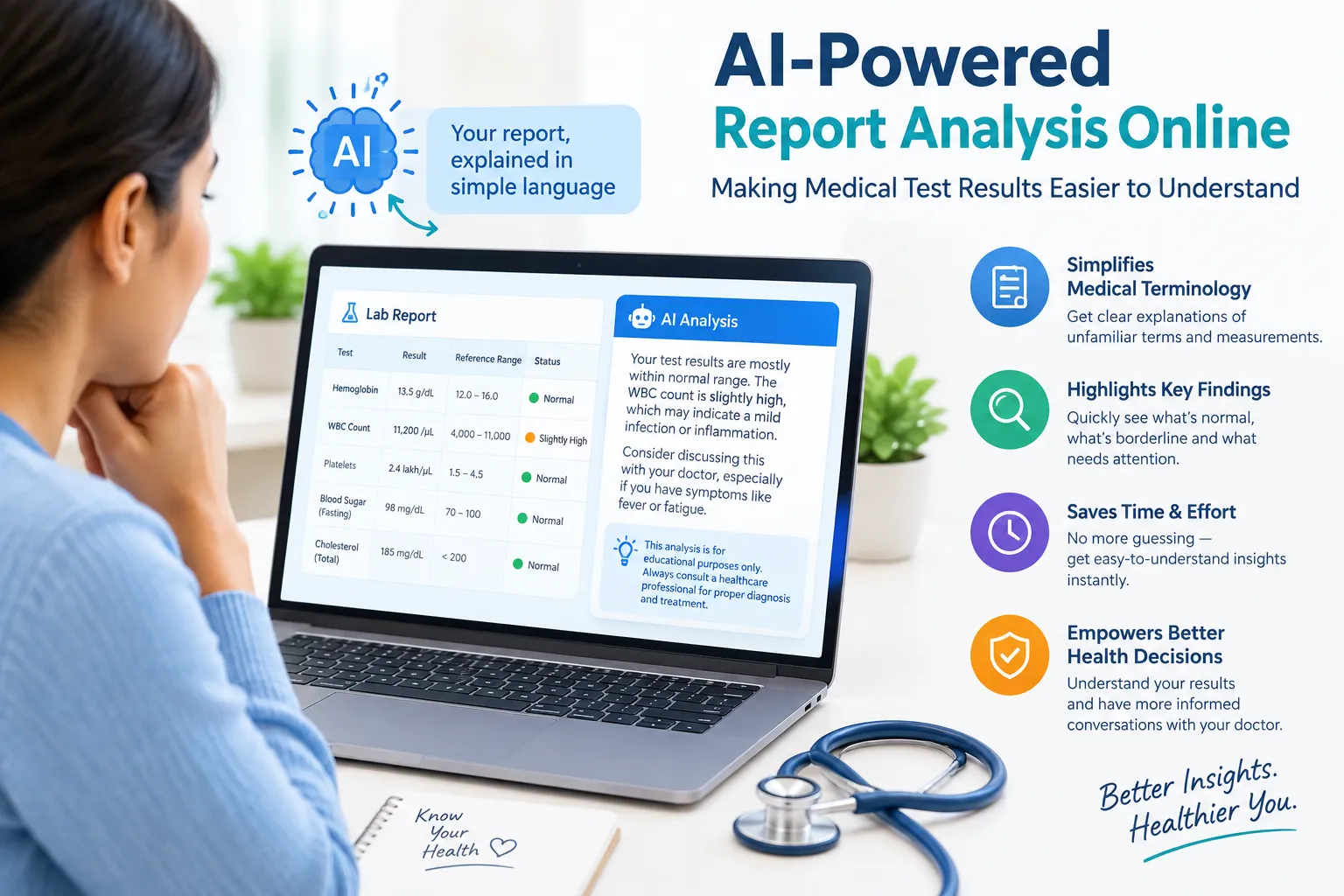
Using an online blood test report analysis tool offers several benefits for patients looking to decode complex medical jargon:
- Instant Definitions: These tools can quickly explain what a specific abbreviation (like WBC or MCV) stands for.
- Contextual Information: Educational platforms provide background on why a test is performed and what body system it evaluates.
- Better Preparation: By understanding the terminology beforehand, you can write down specific questions to ask your doctor, maximizing the value of your appointment time.
Important Things to Know Before Interpreting Your Results
While educational tools are incredibly helpful, they come with limitations. You should never use an online tool to self-diagnose or alter your medication. Blood test results are just one piece of the puzzle. Doctors look at the entire clinical picture—your symptoms, medical history, physical exam, and other diagnostic tests—before making a diagnosis. Treat online laboratory report interpretation as a way to learn the language of your health, not as a final medical verdict.
When Should You Consult a Healthcare Professional?
You should always consult a healthcare professional to review your lab results. However, you should reach out to your doctor's office promptly if:
- You see multiple values significantly outside the reference range.
- Your results are marked as "Critical" or "Urgent."
- You are experiencing severe or new physical symptoms alongside abnormal test results.
- You are confused or anxious about what the numbers mean for your ongoing treatment plan.
Frequently Asked Questions (FAQs)
1. Can I check my blood test results online?
Yes, most healthcare providers and diagnostic labs offer secure patient portals or mobile apps where you can view and download your test results online as soon as they are finalized.
2. How can I understand my blood test report?
You can understand your report by looking at your values compared to the provided reference ranges. Using educational health websites or online analysis tools can help explain the medical terminology and the general purpose of each specific test.
3. What do abnormal blood test results mean?
An abnormal result simply means your value falls outside the statistical average of a healthy population. It can be caused by benign factors like diet, hydration, or stress, or it could indicate an underlying health issue. Only a doctor can determine the true cause.
4. Can an online tool diagnose a medical condition?
No. Online tools are strictly for educational purposes and helping you understand medical vocabulary. They cannot replace a qualified healthcare professional and should never be used to diagnose a medical condition.
Conclusion
Taking an active role in understanding your health records is a smart and empowering decision. By learning how to review your metrics, you can transform a confusing page of numbers into a clear snapshot of your current well-being. Always remember to review your findings responsibly and lean on your medical provider for personalized advice and diagnoses. If you are ready to make your lab reports easier to comprehend, try utilizing educational resources designed to demystify medical data. To learn more and gain clarity on your health metrics, explore the eDigiHealth Blood Test Report Analysis tool today.



















Sign in to leave a comment.