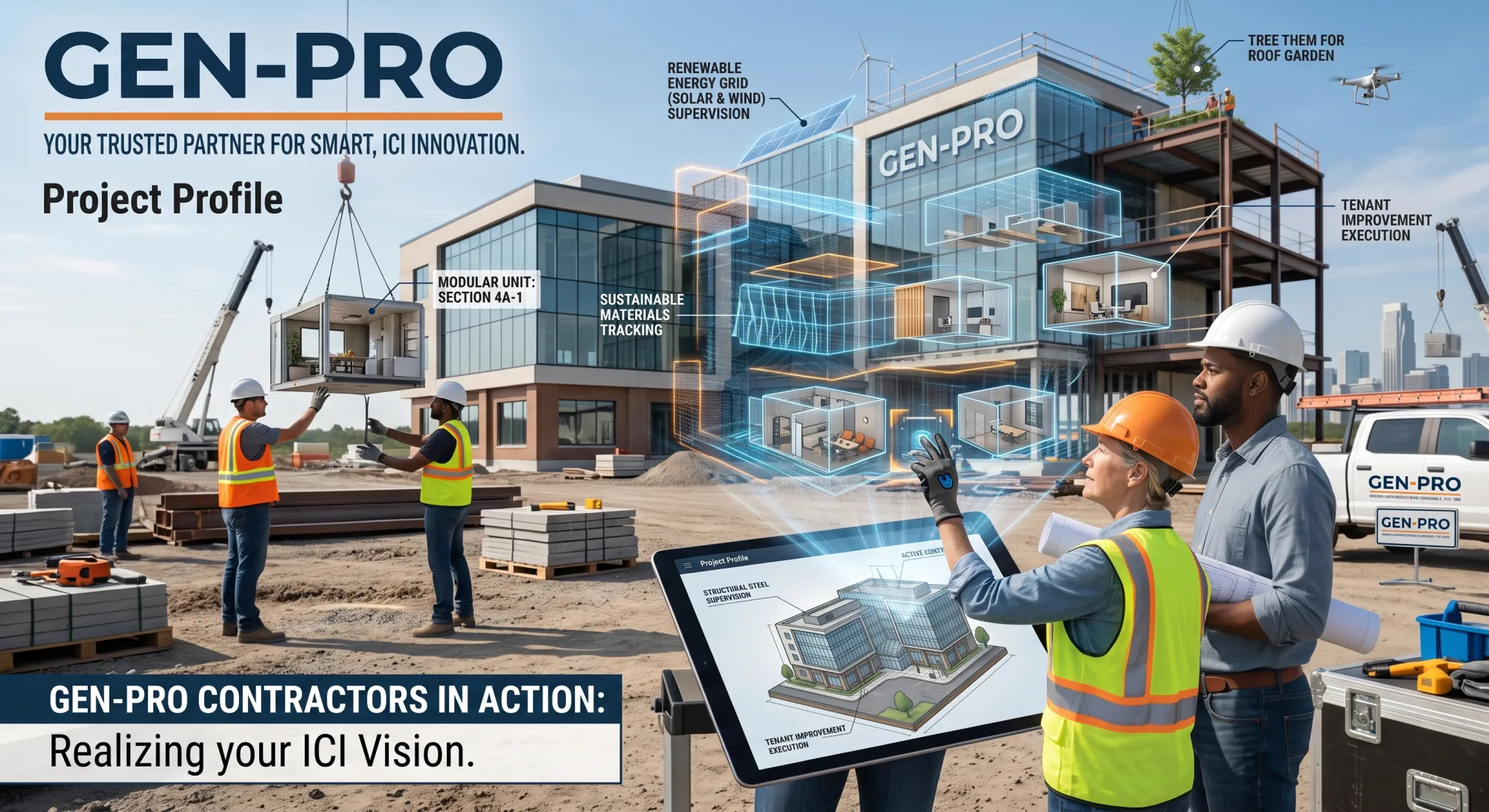

Commercial construction projects require careful coordination, practical planning, and skilled professionals who understand the needs of modern businesses. Whether you are developing a new office, renovating a retail store, upgrading an industrial facility, or expanding an existing commercial property, choosing the right construction team can influence the project's cost, schedule, and overall quality.
A well-managed commercial project can help businesses create functional spaces, improve daily operations, and prepare for future growth. However, achieving these results requires more than quality materials and skilled labor. Clear communication, realistic budgeting, and effective project management are equally important.
Understanding what a commercial contractor does and how to select the right one can help business owners make informed decisions before starting construction.
Understanding Commercial Construction Services
Commercial construction includes building, renovating, expanding, and improving properties used for business or organizational purposes. Common projects include office buildings, retail stores, restaurants, warehouses, medical facilities, and industrial properties.
Each type of project has specific requirements. Office construction may involve workstations, meeting rooms, lighting, and data infrastructure. Retail projects may prioritize customer flow, display areas, and brand presentation. Industrial facilities often require specialized equipment areas, durable surfaces, and suitable ventilation systems.
A commercial construction professional coordinates the work required to complete a project according to its agreed scope. Depending on the contract, responsibilities may include scheduling, material procurement, subcontractor coordination, site supervision, and communication with the property owner.
Before beginning a project, business owners should identify their objectives, space requirements, budget, and expected completion date. These details help establish a clear direction for the construction process.
Benefits of Hiring an Experienced Construction Team
Better Project Planning
Construction projects involve multiple activities that must be completed in the correct sequence. An experienced team can develop a practical schedule, coordinate different trades, and identify potential challenges before they affect progress.
Planning may include reviewing drawings, organizing material deliveries, confirming site access, and establishing project milestones.
Early coordination can help reduce unnecessary delays and improve communication between everyone involved.
Effective Budget Management
Commercial construction budgets may include labor, materials, equipment, permits, professional fees, and finishing work. Unexpected site conditions or changes to the original design can also increase expenses.
Request a detailed estimate that explains the work included, materials proposed, and services excluded. A clear payment schedule and written process for approving changes can help prevent misunderstandings.
It is also wise to reserve a contingency allowance for unexpected costs. When comparing proposals, evaluate the overall value and completeness of the work rather than automatically selecting the lowest price.
Coordination of Specialized Trades
Large commercial projects frequently involve electricians, plumbers, HVAC technicians, flooring installers, painters, and other specialists.
These professionals need to work in the correct sequence to avoid scheduling conflicts and rework. Effective coordination helps maintain progress while ensuring that different parts of the project fit together properly.
Commercial Renovations and Interior Improvements
Renovating an existing commercial property can help businesses modernize their facilities without moving to a different location. Depending on the building's condition, renovations may include new flooring, updated lighting, redesigned layouts, washroom improvements, and upgraded mechanical systems.
Office renovations can improve employee comfort and create more practical work areas. Retail renovations may help businesses improve customer experiences, while warehouse upgrades can support more efficient storage and movement of goods.
When planning a renovation, evaluate the existing building carefully. Structural conditions, electrical capacity, plumbing, ventilation, and accessibility may affect the scope of work.
A qualified commercial contractor should be able to explain the construction requirements relevant to your project and help coordinate the appropriate professionals.
Before work begins, determine whether building permits, landlord approvals, inspections, or engineering assessments are required. Requirements depend on the location and nature of the proposed changes.
How to Select the Right Commercial Construction Partner
Choosing a construction company requires research and careful comparison. Several factors can help you determine whether a provider is suitable for your project.
Review Relevant Experience
Ask about previous projects similar in size, complexity, and purpose to yours. Photographs, references, and project descriptions can help demonstrate the company's capabilities.
Experience with occupied commercial buildings may be particularly valuable when construction needs to continue around employees, tenants, or customers.
Verify Qualifications and Insurance
Confirm that the company meets the licensing and registration requirements applicable to the work. Request current insurance documentation and verify that subcontractors have the necessary qualifications for specialized tasks.
These checks can help reduce risk and clarify responsibilities throughout the project.
Evaluate Written Proposals
A comprehensive proposal should outline the scope of work, estimated costs, materials, project schedule, payment terms, and exclusions.
It should also explain how design changes, unexpected conditions, and delays will be managed. Clear documentation gives both parties a shared understanding of the project requirements.
Assess Communication
Consistent communication is essential throughout construction. Ask who will supervise the project, how often updates will be provided, and how questions or concerns will be addressed.
A professional team should explain technical details clearly and keep stakeholders informed about progress, costs, and potential challenges.
Managing Timelines and Business Disruptions
Construction can affect normal business operations, especially when work takes place inside an occupied building. Noise, dust, temporary access restrictions, and service interruptions may affect employees and customers.
A practical construction schedule should identify important milestones and account for the sequence of work. Where possible, disruptive activities can be scheduled outside business hours or completed in phases.
Businesses should also plan for temporary entrances, alternative work areas, delivery arrangements, and clear signage.
Discuss these requirements with the construction team before work begins. Advance planning can help reduce disruption and make it easier for employees and customers to understand what to expect.
Although unforeseen delays may occur, regular progress reviews and timely communication can help the team respond more effectively.
Creating Durable and Functional Commercial Spaces
A successful commercial building should meet current business needs while remaining practical to maintain. Material durability, lighting, ventilation, accessibility, and energy efficiency all influence long-term performance.
High-traffic spaces may benefit from durable flooring and easy-to-maintain finishes. Efficient lighting and suitable mechanical systems may help reduce ongoing operating costs.
Businesses should also consider future expansion when planning layouts and infrastructure. Flexible meeting rooms, adaptable workspaces, and sufficient electrical and data connections can make a property more useful as operational requirements change.
Construction work should comply with applicable building codes, fire safety requirements, accessibility provisions, and workplace safety rules.
Conclusion
Commercial construction requires experienced coordination, clear financial planning, and careful attention to quality. Whether you are building a new facility, renovating an office, updating a retail property, or expanding an industrial space, selecting the right construction partner is an important step toward success.
Review previous projects, verify qualifications, compare detailed proposals, and establish clear expectations for communication, scheduling, and costs.
Working with an experienced commercial contractor can help your business create a functional, professional environment designed to support daily operations and long-term growth.






















Sign in to leave a comment.