How to Choose a High Protein Bar That’s Actually Worth Eating

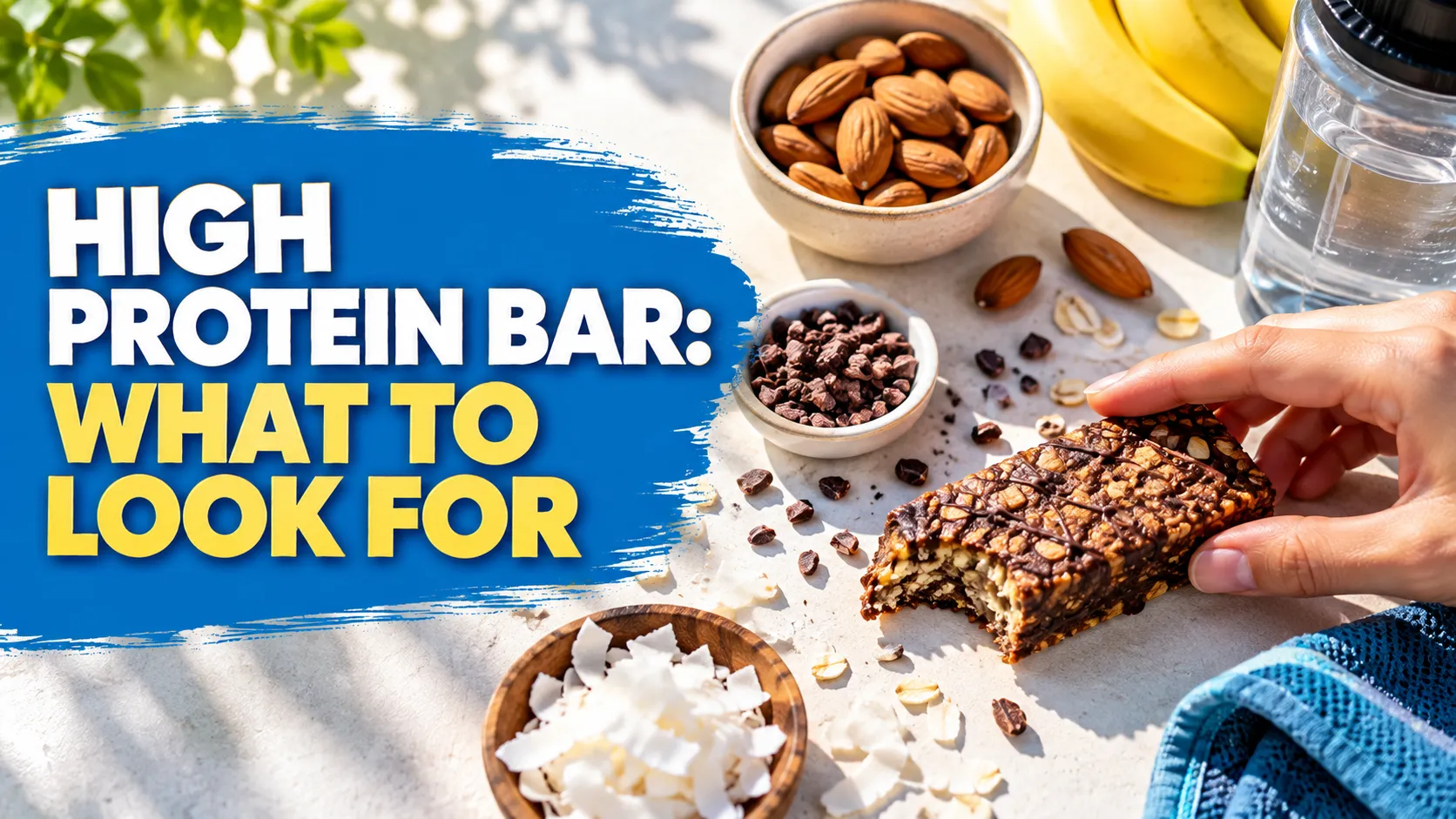

Walk down the snack aisle and you’ll find dozens of bars all claiming to be high in protein. Flip a few over and the picture gets messy fast. Some are basically candy bars with a little protein sprinkled on top. Others taste like chalk and leave you hungry an hour later. So how do you pick a high protein bar that does what it says without making you dread eating it?
This guide covers what to look for, what to ignore, and where a healthy protein bar fits into a normal week of training and work.
What “High Protein” Should Actually Mean
There’s no official cut-off for calling a bar high protein, which is why the label means so little on its own. A more useful approach is to check how much protein sits in a single bar and ask whether it’s enough to matter. Around 20 grams is a good benchmark. At that level a bar starts to work like a small meal, helping with recovery and keeping you full. Bars with 5 or 10 grams are fine as a light snack, but they aren’t doing the job the front of the pack suggests.
It also helps to see where the protein comes from. Whey and pea protein are well-established, easy-to-digest sources. A vague “protein blend” at the top of the ingredient list tells you very little about what you’re actually eating.
Reading the Label Without a Nutrition Degree
You don’t need to decode every line. Four quick checks cover most of it:
Serving size. Make sure the numbers you’re reading are for one bar, not half of one.
Protein per bar. Look for something close to 20 grams if you want it to count toward recovery.
Sugar. Some bars hide a lot of it behind friendly words like syrup, nectar, or “natural sweetener”. If sugar shows up near the top of the list, treat the bar as a treat rather than a healthy protein bar.
Ingredient list length. Shorter is usually better. If you can’t recognise half of what’s on there, that’s worth noticing.
None of this takes more than thirty seconds once you’ve done it a few times.
Sugar, Fibre, and the Mid-Afternoon Crash
A bar can be high in protein and still leave you flat by 3pm. The usual culprit is a heavy hit of fast-digesting sugar, which gives a quick lift and then a dip.
Fibre softens that curve. It slows digestion, so energy comes through more gradually, and it keeps you feeling full for longer. Prebiotic fibre goes a step further by feeding the good bacteria in your gut, which is a nice bonus if you’re eating bars regularly. When you compare two bars with similar protein, the one with more fibre and less sugar will usually feel better an hour later.
Ingredients That Earn Their Place
The Flow Recovery Bar is a good example of what a short, purposeful ingredient list looks like. Each bar delivers 21g of protein from whey protein and organic pea protein, with whey protein crisps for texture. Prebiotic fibre from tapioca supports digestion, while cacao mass, coconut chips, and natural vanilla handle the flavour. L-glutamine and L-glycine, two amino acids often used in recovery nutrition, round it out, with a little Himalayan salt for balance.
It’s also gluten-free and GMO-free, which matters if you avoid either. The point isn’t that every bar needs these exact ingredients. It’s that each one on the list has a clear job, and nothing is there just to bulk up the label.
Did You Know?
Your body can’t store protein the way it stores fat or carbohydrate, so spreading your intake across the day generally works better than saving it all for one big meal. A bar is an easy way to add a solid protein hit between meals.
When to Eat One
Timing is flexible, but a few moments make a bar especially useful:
After training. Eating protein within a couple of hours of a workout supports muscle repair, and a bar is far easier to throw in a gym bag than a plate of chicken and rice.
Before a long session. A bar with protein and fibre can hold you over if you’re training on a busy day and can’t fit in a full meal.
On the move. Hiking, long drives, flights, and back-to-back meetings all call for something that doesn’t need a fridge or a fork.
During the afternoon slump. If you tend to reach for biscuits at 3pm, a high protein bar is a steadier swap.
Where a Bar Fits, and Where It Doesn’t
A good bar is a convenience, not a replacement for real meals. Whole foods give you a spread of nutrients that no bar can fully match, so think of a high protein bar as the thing that fills the gaps on a hectic day, not the foundation of your diet.
Used that way, it does a lot of quiet work. It keeps you from skipping a meal, stops you grabbing something worse, and makes it easier to hit your protein target without planning every bite.
Final Thoughts
Choosing a high protein bar doesn’t have to be complicated. Look for around 20 grams of protein from recognisable sources, keep an eye on sugar, favour a bar with fibre, and pick something with an ingredient list you can actually read. If it tastes good enough that you look forward to eating it, you’re far more likely to stick with it.
If you want a place to start, the Flow Recovery Bar ticks those boxes: https://flow-recovery.com.au/products/flow-recovery-bar/



Sign in to leave a comment.