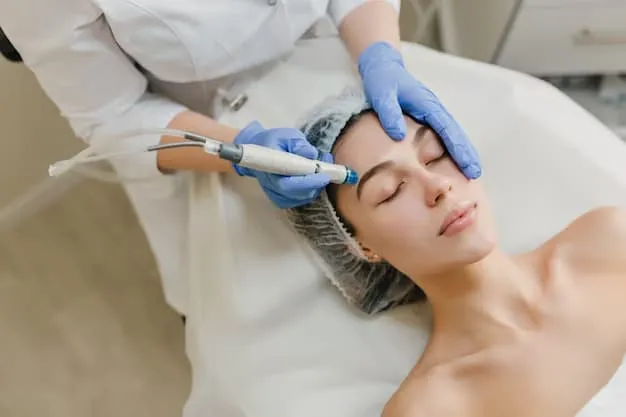

Healthy looking skin can contribute to confidence and overall appearance, but maintaining it often requires more than a simple daily routine. Skin can be affected by age, environmental exposure, lifestyle, hydration, pigmentation and individual skin characteristics. Professional assessment can help identify suitable treatments for specific concerns while supporting a considered approach to skin health. When selecting a skin clinic, individuals should consider the qualifications of practitioners, range of treatments, consultation standards, safety procedures and aftercare. Choosing carefully can help ensure that treatment decisions are based on individual needs rather than trends.
Why Professional Assessment Matters
Every person's skin is different, meaning that a treatment suitable for one individual may not be appropriate for another. A professional assessment allows the practitioner to examine skin condition and discuss concerns, expectations and previous treatments. This can help identify whether a particular procedure is suitable and whether another approach may be more appropriate. Professional guidance can also help distinguish between cosmetic concerns and issues that may require medical attention. A thorough consultation therefore provides an important foundation for informed decisions about aesthetic and skincare treatments.
Common Skin Concerns
Skin clinics may provide treatments for a wide range of cosmetic concerns. These can include signs of ageing, uneven skin tone, pigmentation, dryness, fine lines, reduced firmness and certain texture concerns. The appropriate treatment depends on the underlying cause and the individual's skin condition. Some concerns may respond to skincare advice, while others may require professional aesthetic procedures. It is important to avoid assuming that one treatment can address every skin problem. A consultation can help establish realistic goals and determine which options may be worth considering.
Signs of Skin Ageing
Ageing can gradually affect skin texture, firmness and appearance. Collagen production naturally decreases over time, while repeated facial movement and environmental exposure can contribute to visible lines and changes in skin quality. Professional treatments may help address selected cosmetic concerns, although they cannot stop natural ageing. A suitable plan should consider the individual's skin condition and expectations. Maintaining realistic goals is important because healthy looking skin does not necessarily require dramatic changes. In many cases, subtle improvements can support a refreshed appearance while preserving natural features.
Evaluating Practitioner Qualifications
One of the most important considerations when selecting a skin clinic is the experience and qualification of the practitioner providing treatment. Individuals should check relevant professional credentials and training before undergoing aesthetic procedures. Experience with the specific treatment being considered can also be valuable. Patients should feel comfortable asking who will perform the procedure and what qualifications they hold. A professional approach should prioritise assessment, safety and informed consent rather than focusing solely on promotional claims. Careful research can help individuals make a more informed decision about where to receive treatment.
Experience With Aesthetic Treatments
Different aesthetic procedures require different levels of knowledge and technical skill. Injectable treatments, for example, require a strong understanding of facial anatomy, while certain skin procedures require knowledge of skin types and treatment responses. Individuals should therefore consider whether the practitioner has relevant experience with the treatment under consideration. A practitioner should be able to explain the procedure, expected results, potential risks and aftercare requirements. Patients should not hesitate to ask questions about experience because clear information can support confidence and informed decision making.
Considering the Range of Treatments
A professional skin clinic may offer several treatment options designed to address different concerns. These can include injectable treatments, skincare procedures and other aesthetic services. A broad treatment range can be useful because it allows practitioners to consider different approaches rather than automatically recommending one procedure. However, the number of treatments available should not be the only factor considered. Quality, suitability and professional standards remain more important. Patients should choose treatments based on their individual concerns rather than selecting a procedure simply because it is widely promoted or currently popular.
Matching Treatment to Skin Concerns
The correct treatment depends on what is causing the concern and what the individual wants to achieve. Dryness may require a different approach from pigmentation, while fine lines may have different causes from loss of facial volume. A professional assessment can help determine the most appropriate direction. In some situations, simple skincare changes may be sufficient, while other concerns could benefit from an aesthetic procedure. A responsible practitioner should explain the available options and avoid recommending unnecessary treatments when they are unlikely to provide meaningful benefits.
Importance of a Detailed Consultation
A consultation should be more than a brief discussion before treatment. It should provide an opportunity to understand the individual's concerns, medical history, previous procedures and desired outcome. The practitioner should assess relevant areas and discuss whether treatment is appropriate. Patients should receive information about potential benefits, limitations, risks and expected recovery. Questions should be encouraged, particularly for individuals who have not previously undergone aesthetic treatment. A detailed consultation supports informed consent and helps establish realistic expectations before any procedure takes place.
Discussing Medical History
Accurate medical information is essential when considering aesthetic treatments. Patients should disclose relevant medical conditions, allergies, medications and previous procedures. Certain circumstances may affect whether a treatment is suitable or require additional precautions. Previous reactions to aesthetic procedures should also be discussed. Patients should never assume that a medication or medical condition is irrelevant. Providing complete information allows the practitioner to assess suitability more carefully. If treatment is not appropriate, a responsible professional should explain the reason and discuss whether another option or medical referral may be more suitable.
Skin Analysis and Treatment Planning
A suitable treatment plan should be based on the individual's skin condition rather than a standard procedure. Skin type, texture, pigmentation, sensitivity and signs of ageing can all influence treatment choices. The practitioner should consider the overall condition of the skin and identify the main concerns before recommending a procedure. Treatment planning may also involve discussing skincare habits and lifestyle factors. A structured approach can help establish realistic goals and avoid unnecessary procedures. It can also provide a clearer understanding of what results may reasonably be expected.
Personalised Skincare Advice
Professional skincare advice can complement aesthetic treatments and support ongoing skin health. A practitioner may recommend suitable products or changes to daily habits based on individual skin characteristics. Sun protection, cleansing, hydration and appropriate moisturising can form part of a consistent routine. Skincare advice should be practical and realistic rather than unnecessarily complicated. Individuals should also understand that professional treatments cannot replace everyday skin care. Consistent habits can help maintain skin condition and may support the appearance achieved through selected professional treatments.
Understanding Injectable Treatments
Some skin clinics provide injectable treatments such as Botox and dermal fillers. These procedures have different purposes and should not be considered interchangeable. Botox temporarily reduces selected muscle activity, while dermal fillers can restore or enhance volume in appropriate areas. Both require appropriate knowledge of facial anatomy and careful treatment planning. Patients should understand why a particular injectable has been recommended and what results can realistically be expected. A qualified practitioner should also explain possible side effects and ensure that informed consent is obtained before treatment.
Considering Dermal Fillers
Dermal fillers may be used to restore selected areas of facial volume or enhance certain contours. Common treatment areas can include the cheeks, lips and chin, depending on individual suitability. Results vary according to product, treatment area and individual characteristics. Temporary swelling, bruising and tenderness can occur following treatment, while more serious complications are uncommon but possible. Patients should receive appropriate information about risks and aftercare. Professional assessment is important because filler is not suitable for every concern or every individual.
Safety and Hygiene Standards
Safety should be a priority when choosing a professional skin clinic. Treatment areas should be appropriately prepared, and suitable hygiene procedures should be followed during every procedure. Injectable treatments require careful handling of products and equipment. Patients can ask about hygiene practices and how products are sourced and stored. A professional environment should demonstrate attention to cleanliness, patient safety and appropriate clinical procedures. These considerations are particularly important for invasive or injectable treatments because poor standards can increase the risk of complications.
Emergency and Aftercare Support
Reliable aftercare is an important part of professional treatment. Patients should know what to expect following a procedure and which symptoms may require further assessment. The practitioner should provide clear instructions and explain how to contact the clinic if concerns develop. Some treatments can cause temporary redness, swelling or sensitivity, while unusual symptoms may require prompt professional attention. Having access to appropriate aftercare provides reassurance and demonstrates that patient support continues beyond the treatment appointment.
Understanding Treatment Risks
Every professional aesthetic treatment has potential risks, even when performed appropriately. Common effects may include temporary redness, swelling, tenderness or sensitivity depending on the procedure. More significant complications can occur with certain treatments, particularly injectable procedures. Patients should be informed about these risks before consenting to treatment. A responsible practitioner should not guarantee perfect results or suggest that a procedure is completely risk free. Understanding potential complications allows individuals to make informed decisions and recognise when professional advice may be necessary after treatment.
Recognising Warning Signs
Patients should be given clear information about symptoms that require professional assessment. Severe pain, significant swelling, unusual skin colour changes, infection symptoms or visual changes may require urgent attention depending on the treatment performed. Individuals should not attempt to manage serious symptoms independently. Contacting the treating practitioner or seeking appropriate medical care is important when unexpected or severe reactions occur. Knowing the warning signs before treatment can help patients respond more quickly if a complication develops and ensures that concerns are not unnecessarily overlooked.
Evaluating Reviews and Reputation
Reviews can provide useful information when researching a skin clinic, although they should not be the only factor considered. Individuals can look for consistent feedback about communication, professionalism, treatment experience and aftercare. Reviews should be considered alongside practitioner qualifications and the quality of the consultation. Promotional photographs may not represent typical results, and individual outcomes can vary considerably. A clinic with a professional approach should provide realistic information rather than relying exclusively on highly edited images or exaggerated claims. Balanced research can support a more informed decision.
Looking Beyond Price
Cost is naturally an important consideration, but the lowest price should not automatically determine where treatment is received. Very low prices may not provide enough information about practitioner experience, product quality or aftercare. Individuals should consider the overall value of professional care, including consultation, treatment planning, appropriate products and follow up support. Patients should also be cautious about limited time offers that create pressure to make immediate decisions. Aesthetic treatment should be considered carefully because safety and suitability are more important than short term savings.
Maintaining Healthier Looking Skin
Professional treatment can support specific cosmetic goals, but everyday habits remain important for maintaining healthy looking skin. Regular cleansing, appropriate moisturising and consistent sun protection can help protect the skin from environmental damage. A balanced lifestyle can also support general wellbeing and skin health. Individuals should avoid expecting aesthetic treatments to compensate for poor daily care. A professional practitioner can provide guidance about suitable skincare routines based on individual needs. Combining sensible daily habits with appropriate professional care can provide a more balanced approach to maintaining skin appearance.
Sun Protection
Sun exposure can contribute to premature skin ageing, pigmentation and changes in skin texture. Regular use of suitable sun protection can therefore be an important part of a long term skincare routine. Individuals who undergo aesthetic treatments should follow any specific advice provided by their practitioner regarding sun exposure during recovery. Protecting the skin can help maintain its condition and reduce further environmental damage. Skincare routines should be consistent and practical so that they can be maintained over time rather than followed only for short periods.
Choosing a Skin Clinic With Confidence
Selecting a professional skin clinic requires consideration of several factors rather than simply choosing the nearest or least expensive option. Qualifications, experience, treatment range, consultation standards, hygiene, product information and aftercare should all be reviewed. Patients should feel comfortable asking questions and should receive clear answers before treatment. A professional clinic should prioritise individual suitability and realistic expectations. Taking time to research available options can help individuals feel more confident about their decision and reduce the likelihood of choosing a treatment based solely on advertising or social media trends.
Final Thoughts
Choosing a professional skin clinic can help individuals access suitable guidance and treatments for a range of cosmetic skin concerns. A thorough consultation, qualified practitioners, appropriate hygiene standards, realistic expectations and reliable aftercare are important considerations before proceeding with treatment. Professional advice can help determine whether a procedure is suitable and whether another approach may provide greater benefit. Everyday skincare and sun protection also remain important for maintaining healthier looking skin. For individuals exploring professional aesthetic and skincare options, Whitefield Dental can provide guidance based on individual concerns, treatment suitability and personal goals.



























Sign in to leave a comment.