

A dining table is one of the most important pieces of furniture in a family home. It provides a place to enjoy meals, entertain visitors, celebrate special occasions, and spend time together. Choosing the right table involves more than selecting a design that looks attractive; it also requires careful consideration of size, materials, functionality, and long-term durability.
Wooden extendable dining tables are popular because they combine the warmth of wood with the flexibility of an adjustable dining surface. They can accommodate everyday routines while providing additional space when friends or relatives visit.
If you are planning to update your dining room, understanding the main features of these tables can help you make a confident and practical choice.
1. Understand the Benefits of an Extendable Design
Traditional fixed dining tables have a permanent size, which can make them difficult to accommodate in homes where seating requirements change.
An extendable table provides an alternative. It can remain compact during everyday use and expand when extra seating is required.
For example, a household of four may prefer a smaller table during the week but need additional space for family gatherings. An extending mechanism allows the same piece of furniture to serve both purposes.
This flexibility can be particularly valuable in open-plan living areas, apartments, and smaller dining rooms where permanently keeping a large table may restrict movement.
When comparing designs, examine how the extension mechanism works. Some tables use central leaves, while others feature sliding tops or separately stored extension panels.
Check whether the mechanism can be operated easily and whether the table remains stable when fully extended.
2. Choose the Right Wood Finish
Wood introduces natural texture and warmth into an interior. Its colour and grain can influence the overall appearance of the dining room.
Light wood finishes often complement Scandinavian-inspired interiors, pale walls, and minimalist decoration. Medium-toned wood can create a balanced appearance, while darker finishes may suit traditional rooms or interiors with stronger colour contrasts.
Oak-inspired finishes are particularly versatile because they can work with both classic and contemporary furniture.
When choosing a wooden table, consider how its finish will coordinate with your flooring, cabinets, chairs, and other furniture. Matching every wooden surface is not essential, but excessively different undertones can make a room feel visually inconsistent.
It is also important to understand the construction of the product. Solid wood, veneer, and engineered wood have different characteristics, maintenance requirements, and price points.
Read the product specifications carefully rather than assuming that every wood-effect table is made entirely from solid timber.
3. Measure Your Dining Space Carefully
Accurate measurements are essential before buying an extendable table.
Start by measuring the room and identifying the space available for the table and chairs. Consider doorways, walkways, storage units, radiators, and other features that could affect movement.
A useful planning guideline is to leave approximately 90 cm of clearance around the table wherever possible. This allows people to move around the furniture and pull out chairs more comfortably.
You should measure the table in both its closed and extended configurations. A design that fits perfectly when compact may become impractical when fully extended.
If your dining area is narrow, a rectangular table may be a sensible choice because it can fit against the proportions of the room. In a more open space, you may have greater freedom to explore different shapes and sizes.
Also consider the table's height and the dimensions of the chairs. Comfortable seating depends on having sufficient legroom and appropriate clearance beneath the tabletop.
4. Select a Table That Suits Your Household
Think about the number of people who regularly use the dining table and how often you entertain guests.
A compact table may be sufficient for a couple or a small family. Larger households may benefit from a table with a longer everyday configuration and additional extension capacity.
If you are exploring a wooden extendable dining table, compare the closed length, extended length, width, and recommended seating capacity.
Do not rely on the maximum seating number alone. The shape of the table, the width of the chairs, and the amount of space required by each person all influence comfort.
If possible, consider the types of gatherings you usually host. Regular family dinners may require a different configuration from occasional celebrations involving many guests.
A practical design should accommodate your typical needs without making everyday dining unnecessarily difficult.
5. Consider Durability and Maintenance
Wooden dining tables can provide years of use when their construction and care requirements suit the household.
However, different finishes react differently to moisture, heat, scratches, and cleaning products. Always follow the manufacturer's care instructions.
Use coasters and placemats to reduce the risk of marks and heat damage. Clean spills promptly, especially around joints and extension mechanisms.
Avoid dragging heavy objects across the tabletop, and inspect the extending mechanism occasionally to ensure it operates smoothly.
Households with children may prefer a finish that is easy to wipe clean and less likely to show minor marks. The table's construction, edge design, and stability should also be considered.
A well-maintained table can remain a useful part of the home even as other decorative elements change.
6. Coordinate Chairs and Other Dining Furniture
The dining table should work with the chairs and accessories around it.
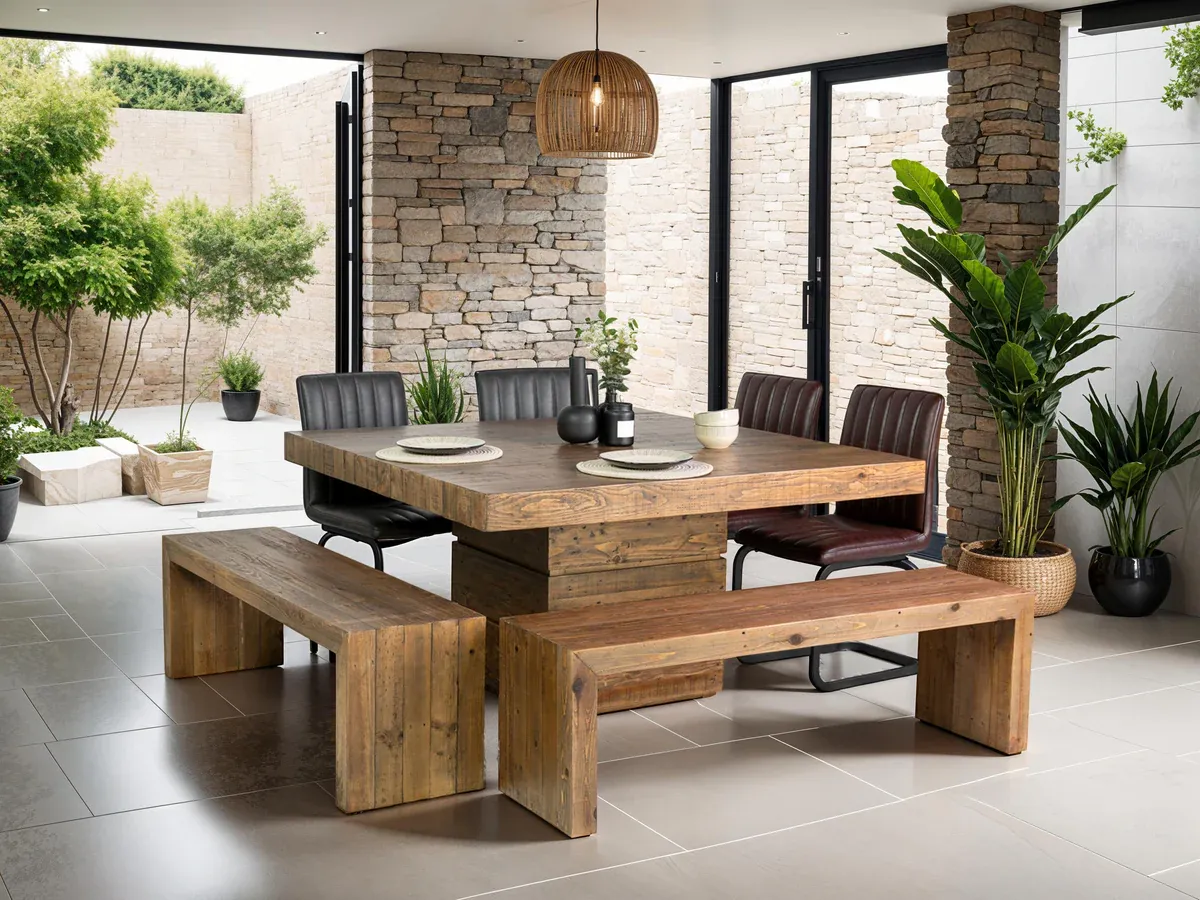
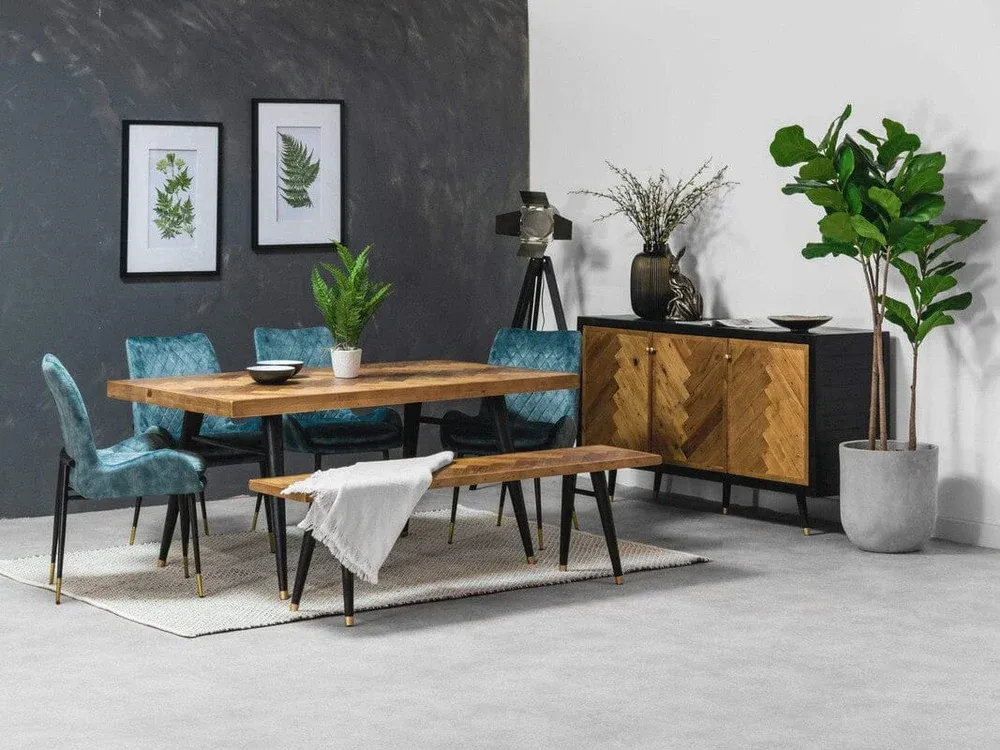
Wooden tables can be paired with matching chairs for a traditional look or contrasting upholstery for a more contemporary appearance. Metal legs, neutral fabrics, and simple shapes can create a balanced combination without making the room feel overly coordinated.
Check that the chairs fit comfortably beneath the table when not in use. Armchairs may require additional clearance, while benches can sometimes be tucked away more efficiently.
Lighting is another important consideration. A pendant light positioned appropriately above the table can create a focal point and improve the atmosphere during evening meals.
Rugs, artwork, and decorative accessories can complete the space, but avoid overcrowding the room with items that restrict movement.
7. Consider Furniture Shopping in Cardiff
Finding the right dining furniture often involves comparing several styles, dimensions, and price points before making a decision.
If you are furnishing a home in South Wales, exploring furniture stores Cardiff can help you investigate local shopping options and available furniture ranges.
Before visiting a retailer, make a list of your preferred dimensions, finish, seating capacity, and budget. This can make comparisons more efficient and reduce the risk of choosing a table that does not suit your room.
If you shop online, review the delivery information, assembly requirements, return policy, and product measurements carefully. Check whether chairs are included or sold separately.
For larger purchases, understanding delivery access is particularly important. Measure entrances and staircases in advance to avoid complications when the furniture arrives.
Conclusion
Choosing a wooden extendable dining table involves balancing appearance, practicality, durability, and available space.
Start by measuring your dining area, identifying your household's seating requirements, and comparing different wood finishes. Then assess the extension mechanism, construction quality, maintenance requirements, and compatibility with your existing furniture.
A carefully selected table can provide flexibility for everyday dining while accommodating guests when needed. By focusing on long-term usefulness rather than appearance alone, you can create a dining space that remains comfortable, attractive, and functional for years to come.















Sign in to leave a comment.