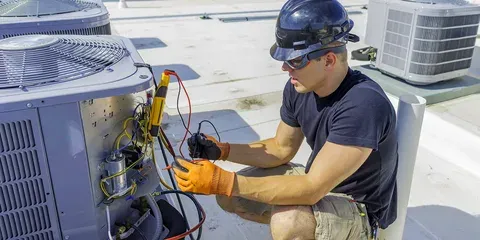

A heating or cooling system rarely fails at a convenient time. A furnace may stop working during a cold spell, or an air conditioner can struggle when indoor temperatures climb. Choosing the right HVAC professional before a problem becomes urgent can make repairs, installations, and routine maintenance much easier to manage.
For homeowners and businesses in Centennial, Colorado, the decision involves more than finding someone who can replace a filter or repair a thermostat. The right professional should understand heating and cooling equipment, diagnose problems accurately, explain the available options, and work safely. Knowing what to look for can help property owners make a better decision and avoid unnecessary expenses.
Start With the Type of HVAC Service You Need
HVAC covers a wide range of work. A company experienced in furnace repair may not necessarily specialize in every type of installation or commercial system. Before contacting a contractor, identify the basic service required.
Common HVAC services include:
- Air conditioning repair and installation
- Furnace troubleshooting and replacement
- Heating system maintenance
- HVAC system installation
- Thermostat diagnosis and replacement
- Airflow troubleshooting
- Water heater installation
- Commercial heating and cooling
- General system inspections
Some problems are straightforward, while others require detailed troubleshooting. For example, poor airflow could result from a clogged filter, ductwork problem, blower issue, or equipment malfunction. A professional diagnosis is more useful than simply replacing a component without determining the underlying cause.
Look Beyond the Initial Price
Cost naturally matters, but the lowest estimate is not always the most economical choice.
An HVAC project involves equipment selection, labor, installation practices, materials, and future operating costs. A lower upfront price may not represent the overall value if the equipment is poorly matched to the property or the installation leaves unresolved issues.
When comparing estimates, ask what is included. Depending on the project, an estimate may cover equipment, labor, removal of existing equipment, electrical work, duct modifications, permits, disposal, or other installation requirements.
For repair work, ask whether the quoted price covers diagnosis and labor as well as replacement parts. Clear estimates make it easier to compare contractors on an equal basis.
Experience Matters, But So Does Relevant Experience
Years in the industry can indicate familiarity with different equipment and common system problems, but homeowners should also consider whether the contractor regularly handles the type of work involved.
A residential furnace replacement requires different considerations from a large commercial HVAC project. Likewise, installing a new air conditioning system involves equipment sizing, electrical requirements, refrigerant-related procedures, airflow, and other technical factors.
A useful conversation with a contractor should cover:
- The type and age of the existing system
- The property's heating and cooling requirements
- Previous repairs or recurring problems
- The proposed equipment
- Installation requirements
- Expected maintenance needs
- Any limitations affecting the project
A knowledgeable professional should be able to explain these factors in understandable language rather than relying entirely on technical terminology.
Proper Equipment Sizing Is Essential
Replacing an HVAC system is not simply a matter of choosing the biggest unit available. Equipment needs to be appropriately sized for the building.
An oversized air conditioner, for example, may cool a space quickly but cycle on and off too frequently. Short cycling can affect comfort and may contribute to unnecessary wear. An undersized system may struggle to maintain the desired temperature and operate for extended periods.
Professional HVAC planning should consider factors such as building size, insulation, windows, airflow, existing ductwork, and the characteristics of the property. For replacement projects, asking how equipment sizing was determined can reveal how carefully the installation has been planned.
Pay Attention to Installation Quality
Even high-quality equipment can perform poorly if it is installed incorrectly.
Installation involves much more than positioning a furnace or outdoor condenser. Connections, airflow, drainage, electrical components, controls, ductwork, and other system-specific requirements need to be handled correctly.
After installation, the system should be checked to confirm that it operates properly. Homeowners should receive information about basic operation, recommended maintenance, filter requirements, and any relevant equipment documentation.
For a major replacement, it is also sensible to ask what happens if an installation issue appears after the work is completed. Understanding the contractor's policies before signing an agreement can prevent confusion later.
Ask About Residential and Commercial Capabilities
Property type can significantly influence HVAC requirements. Residential systems often focus on individual comfort, while commercial properties may involve larger equipment, multiple zones, specialized controls, or different operating schedules.
Businesses in Centennial may therefore want to work with an HVAC professional familiar with commercial environments rather than assuming every residential contractor handles commercial projects.
For either property type, the contractor should understand the existing system and the building's actual needs instead of recommending equipment based solely on floor area or a quick visual inspection.
Maintenance Can Prevent Small Problems From Becoming Major Repairs
Routine HVAC maintenance does not guarantee that equipment will never fail, but it can help identify developing problems and keep systems operating properly.
Maintenance may include inspecting components, checking airflow, cleaning appropriate parts, examining electrical connections, and replacing or inspecting filters. The exact procedures depend on the equipment and its condition.
Property owners can also handle simple maintenance tasks themselves. Regularly checking air filters is one of the easiest. A heavily loaded filter can restrict airflow and make the system work harder.
More technical inspections should be left to qualified professionals, particularly where electrical components, gas-fired equipment, refrigerant systems, or combustion processes are involved.
Consider the Entire System, Not Just the Main Unit
An HVAC system is part of a larger building environment. Ductwork, insulation, ventilation, thermostats, filters, and airflow all influence comfort and system performance.
For example, replacing an aging air conditioner may not completely resolve uneven temperatures if the underlying issue is poor airflow or inadequate ductwork. Similarly, persistent heating problems may require investigation beyond the furnace itself.
A good diagnostic process looks at the system as a whole. This approach can prevent property owners from spending money on equipment replacements when another issue is contributing to the problem.
What to Ask Before Hiring an HVAC Professional
Before approving work, property owners should feel comfortable asking practical questions.
Consider asking:
- What is causing the current problem?
- Is repair or replacement the more appropriate option?
- What equipment or parts will be used?
- What does the estimate include?
- Are additional repairs likely to be necessary?
- How long is the work expected to take?
- What maintenance will the system require afterward?
- Who will perform the installation or repair?
- What documentation will be provided after the project?
These questions are particularly useful for expensive replacements. They encourage a clear discussion before work begins and make it easier to compare different proposals.
For example, local property owners researching available HVAC services may come across Breeze Mechanical, which serves residential and commercial customers in the Centennial area and lists troubleshooting, HVAC installation, furnace installation, and water heater installation among its services. The important point is not simply the number of services offered, but whether the provider's capabilities match the specific needs of the property.
Local Considerations for Centennial Properties
Centennial properties can require both effective heating and cooling throughout the year. That makes equipment condition and seasonal preparation worth considering rather than waiting for an emergency.
Before the heating season, homeowners can check filters, thermostats, vents, and obvious airflow issues. Before the cooling season, it is useful to make sure the air conditioning system is ready for increased demand.
Older properties may also present different challenges from newer construction. Existing ductwork, insulation, electrical capacity, and previous equipment installations can influence what is practical during an HVAC upgrade.
A professional evaluation is particularly valuable when a system is repeatedly breaking down, producing uneven temperatures, making unusual noises, or approaching the end of its expected service life.
Making a Better HVAC Decision
The best HVAC decision is rarely based on a single factor. Price, technical knowledge, relevant experience, equipment selection, installation practices, communication, and the property's specific requirements all deserve consideration.
For routine repairs, accurate diagnosis is critical. For replacement projects, careful sizing and installation are equally important. For commercial properties, experience with larger or more complex systems may be essential.
Taking time to compare estimates and ask detailed questions can help property owners understand what they are paying for and why a particular solution has been recommended. That preparation can also make future maintenance easier because the property owner has a clearer understanding of the system.
Conclusion
Choosing an HVAC professional in Centennial is ultimately about finding the right match between the property, the equipment, and the work required. A reliable decision starts with accurate diagnosis, clear pricing, appropriate equipment sizing, and careful installation.
Rather than choosing solely on the lowest quote, property owners should evaluate the complete proposal and the contractor's ability to explain the work. A thoughtful selection process can reduce surprises and support dependable indoor comfort through changing seasons.
FAQs
How often should an HVAC system be inspected?
Many systems benefit from professional attention at least once a year, although the appropriate schedule depends on equipment age, usage, condition, and manufacturer recommendations. Heating and cooling systems may also warrant separate seasonal checks.
Should an old HVAC system always be replaced?
Not necessarily. A repair may make sense if the system is otherwise in good condition and the problem is relatively minor. Replacement becomes more worth considering when breakdowns are frequent, major components are failing, operating costs are becoming a concern, or the equipment is reaching the end of its useful service life.
What information should I provide when requesting an HVAC estimate?
Provide the equipment type if known, the approximate age of the system, the symptoms or problems you're experiencing, the property type, and any previous repair history. Photos of equipment labels can also help a contractor understand what system is currently installed.















Sign in to leave a comment.