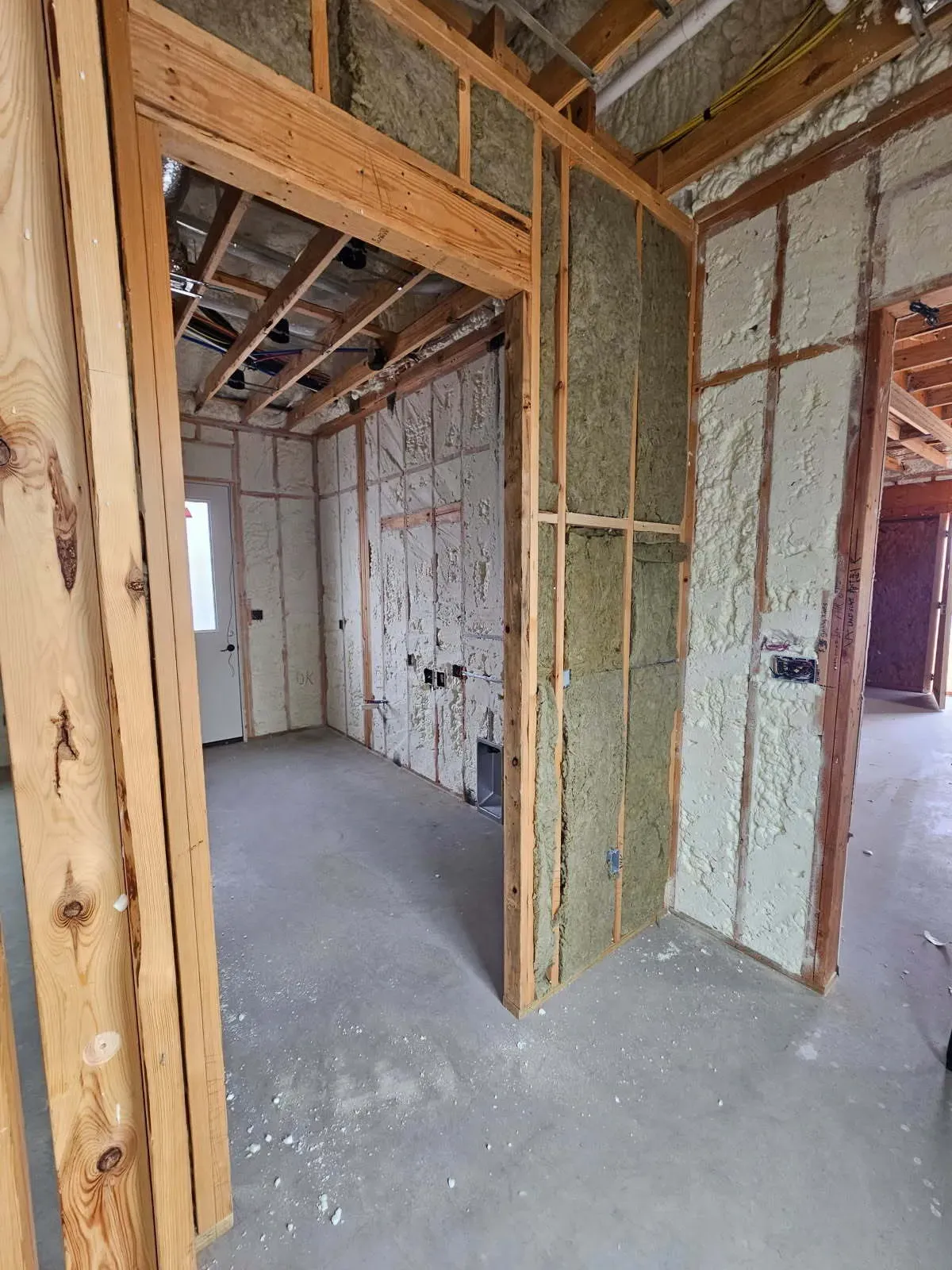

To choose the right Open-Cell Spray Foam Contractor in Georgetown, you need to verify local building experience, confirm proper equipment standards, and ensure the team holds valid liability insurance. Selecting a qualified installer ensures your home seals properly against extreme Central Texas heat while keeping long-term energy bills low.
Georgetown property owners face intense summer sun and high humidity throughout the year. Finding a contractor who understands these specific climate demands will protect your roof deck, crawl spaces, and interior walls from heat transfer and air leaks. This guide covers the exact criteria needed to evaluate bids, assess contractor qualifications, and make an informed decision for your property.
Understanding Open-Cell Insulation for Central Texas Homes
Open-cell foam consists of soft, flexible cells that expand rapidly upon application. With an expansion rate of roughly 100 to 1, it fills every crevice, gap, and irregular space between wall studs and roof rafters. This expansion creates an airtight barrier that stops outdoor air infiltration.
Installing Open-Cell Spray Foam Insulation provides an R-value of roughly R-3.5 to R-3.8 per inch of thickness. In Georgetown attics, summer temperatures frequently climb above 140 degrees Fahrenheit. Applying foam directly to the underside of the roof deck moves the building envelope outward, reducing attic temperatures by up to 40 degrees.
This material also serves as a strong sound absorber. The pliable cell structure absorbs airborne noise, making it an excellent fit for residential neighborhoods near busy corridors like Interstate 35 or Highway 29.
Evaluating Local Experience and Technical Credentials
Spray foam application is a chemical process that requires precise temperature and pressure management. When searching for an Open-Cell Spray Foam Contractor, you want a team with specialized training rather than general laborers. Proper chemical mixing at the spray gun determines whether the material cures properly or leaves lingering odors.
Look for installers trained through industry organizations such as the Spray Polyurethane Foam Alliance. Certification shows that the crew understands chemical ratios, safety protocols, and proper ventilation during application.
You should also verify that the business maintains at least one million dollars in general liability coverage and full workers' compensation insurance. Central Texas building codes require strict adherence to energy conservation guidelines, and a qualified contractor will pull all necessary municipal permits.
- Verify full liability insurance coverage and active business licensing.
- Ask for proof of formal training or manufacturer certification.
- Check recent references from projects completed in Williamson County.
- Confirm their familiarity with local Georgetown building inspection standards.
Bonus Tip: Ask the crew lead how they monitor chemical drum temperatures during hot summer days. Professional rigs use specialized heating and cooling controls to maintain chemicals at the exact manufacturer-specified temperature before spraying.
Comparing Open-Cell and Closed-Cell Spray Foam Features
Understanding the structural differences between foam types helps you confirm whether open-cell fits your project goals. The table below outlines key technical specifications to keep in mind when reviewing contractor proposals.
| Technical Feature | Open-Cell Foam | Closed-Cell Foam |
|---|---|---|
| Core Density | 0.5 lbs per cubic foot | 2.0 lbs per cubic foot |
| Typical R-Value | R-3.5 to R-3.8 per inch | R-6.0 to R-7.0 per inch |
| Expansion Rate | High (approx. 100x) | Moderate (approx. 30x) |
| Permeability | Vapor-permeable (breathable) | Vapor retarder / impermeable |
| Best Applications | Attics, interior walls, sound control | Sub-floors, metal buildings, exterior |
| Flexibility | Flexible with wood framing movement | Rigid and adds structural strength |
What Questions Should You Ask Before Signing a Contract?
A reliable open-cell spray foam company will provide clear, written answers to your project questions. Before agreeing to an estimate, ask the estimator about their job site preparation and cleanup practices.

Inquire about their schedule for clearing the home during spraying. Open-cell foam requires an evacuation period, usually between 12 and 24 hours, so the off-gassing process completes safely. A reputable company explains these safety protocols clearly before scheduling the work.
You should also ask how they protect your personal property, flooring, and finished surfaces. Overspray can stick permanently to windows, wiring, and stored items if the crew does not mask the area with plastic sheeting.
- What brand of chemical formulation do you use for residential projects?
- How long must occupants and pets stay out of the building after spraying?
- Do you perform pre-spray moisture testing on wood studs and roof decking?
- How do you manage job site ventilation during the curing stage?
Bonus Tip: Wood moisture content should measure below 18 percent before applying foam. Ask the contractor to test the framing with a moisture meter in front of you on the day of the job.
Important Factors to Review Before Making Your Final Decision
Reviewing multiple bids requires looking past the bottom-line price. When evaluating Open-Cell Spray Foam Services in Georgetown, compare the proposed spray thickness, total board feet, and preparation methods.
Unusually low estimates often signal thin application depths or the use of lower-grade chemicals. A difference of two inches in attic roofline foam can significantly alter your energy efficiency and cooling performance during triple-digit summer heatwaves.
A reputable Open-Cell Spray Foam Contractor outlines the entire scope of work in writing. Their proposal should list prep work, masking, chemical brand, application depth, trash removal, and warranty coverage for both materials and labor.
- Application Thickness: Ensure the quote specifies the exact inches of foam to be sprayed on rooflines or walls.
- Site Preparation: Check if masking of windows, fixtures, and vents is included in the price.
- Equipment Quality: High-end proportioners mounted in dedicated trailers deliver far more consistent results than portable tanks.
- Waste Management: Confirm that the crew trims excess foam flush with framing and removes all scrap material from your property.
Signs of High Quality Application Standards
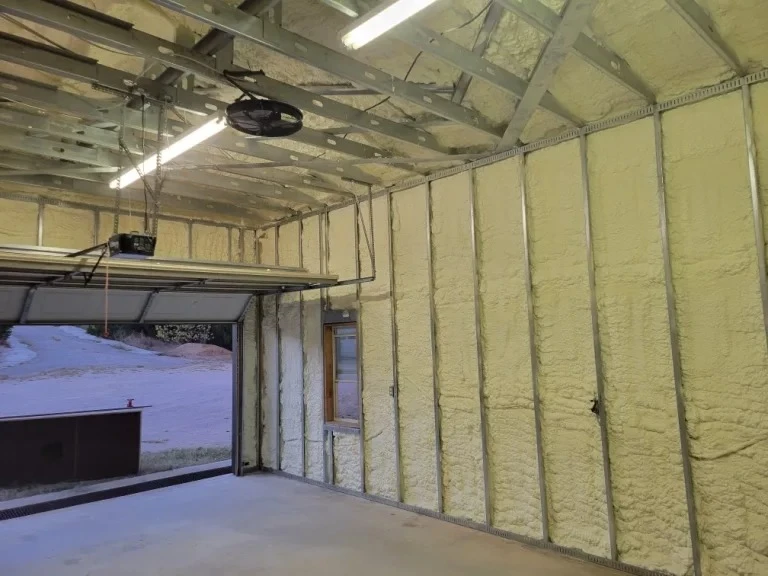
Quality installation looks clean, uniform, and well-managed. Once applied, open-cell foam expands rapidly and cures into a semi-rigid, spongy texture. It should adhere tightly to the framing without pulling away or leaving voids.
A skilled installer sprays in even passes to avoid large pockets of trapped air. They also check the cured foam with a depth gauge to confirm you receive the exact thickness specified in your agreement.
There should be no strange discoloration or lingering chemical odors after the initial 24-hour curing window. Consistent color throughout the foam layer proves that the installer balanced the chemical mixture accurately at the spray tip.
Bonus Tip: Inspect the attic after the job is finished. Look around electrical boxes, plumbing vents, and roof valleys to verify that the foam creates a continuous, unbroken seal around every penetration.
Summary of Best Practices for Georgetown Property Owners
Selecting the right insulation partner requires evaluating equipment quality, local project history, and safety standards. Always demand clear written contracts that define chemical brands, application thickness, and warranty terms. Taking the time to verify these technical details protects your building investment and ensures your Central Texas property stays comfortable and energy-efficient throughout every season.
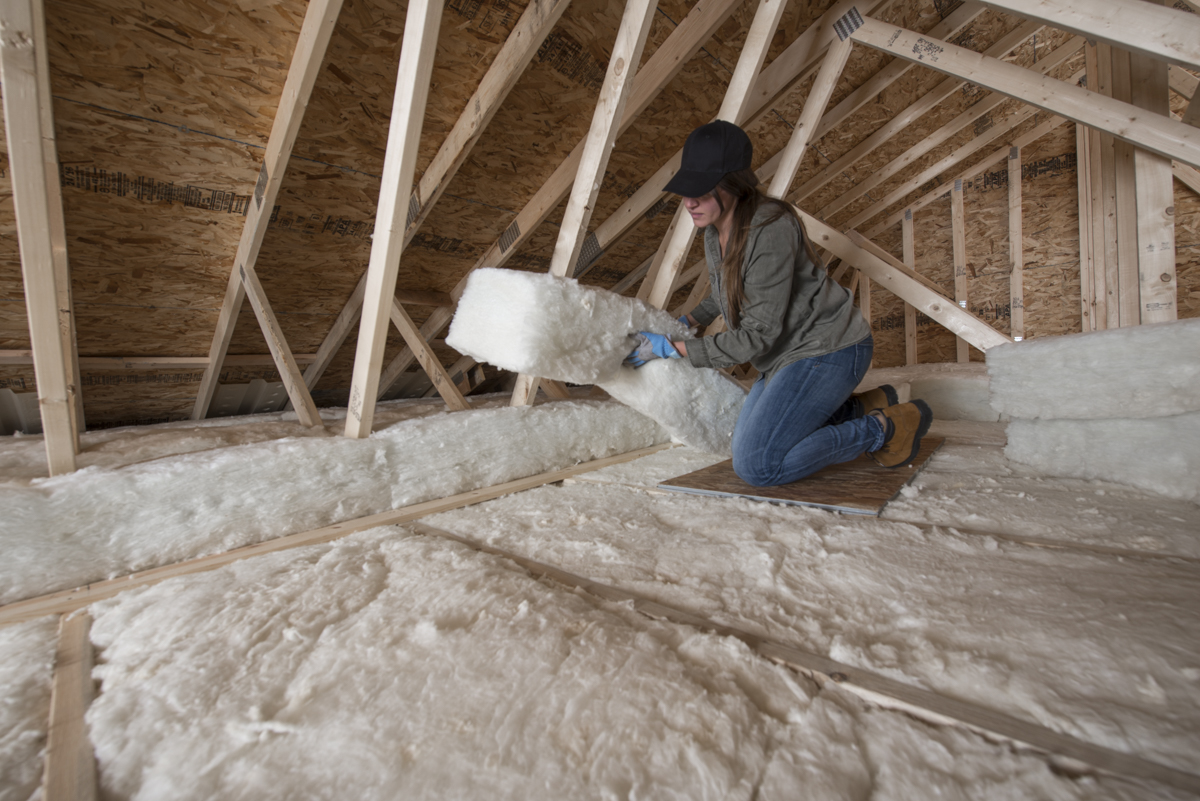
Get Reliable Advice and a Free Quote from Spray Foam Tech
For homeowners and builders seeking dependable insulation solutions, Spray Foam Tech delivers professional installation tailored to Central Texas homes. The team offers specialized services ranging from residential and commercial installations to attic retrofits and sound control. You can contact them directly at [email protected]. Call (737) 777-9590 today to discuss your project specifications and receive a free quote for your property.
Frequently Asked Questions About Spray Foam Installation
How long does open-cell foam last once installed?
Open-cell foam does not sag, settle, or degrade over time like traditional fiberglass batts. When protected from direct sunlight and outdoor moisture, it lasts for the life of the building without losing its thermal resistance.
Can open-cell foam cause moisture problems on roof decks?
Open-cell foam allows water vapor to pass through slowly, which means any roof leak will show up as a visible wet spot rather than trapping water against the wood. This breathability helps homeowners spot and repair roof issues quickly.
Will spray foam affect my home electrical wiring?
Standard household wiring can safely pass through open-cell foam. Professional installers take care not to over-encapsulate high-draw junction boxes or recessed light fixtures that require specific clearances.
How much money can spray foam save on electric bills?
Central Texas homeowners who seal their attics with spray foam typically see a 15 to 20 percent drop in heating and cooling energy use. Moving the thermal envelope to the roofline stops extreme heat before it enters the attic space.
Do I need to remove old fiberglass insulation before spraying?
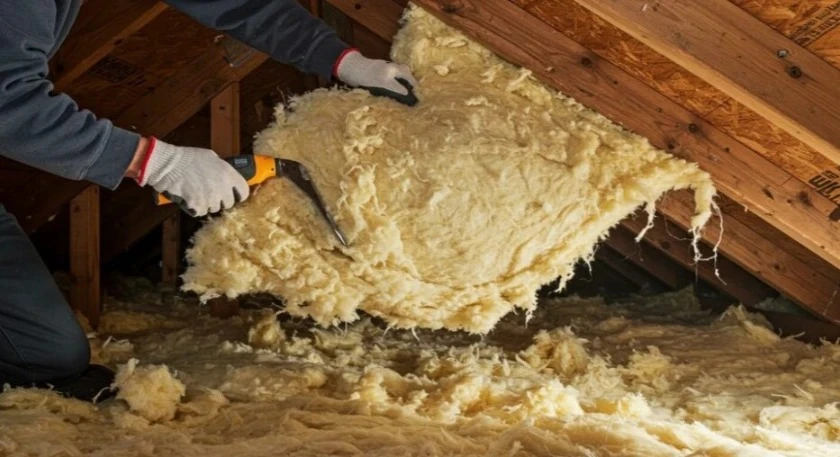
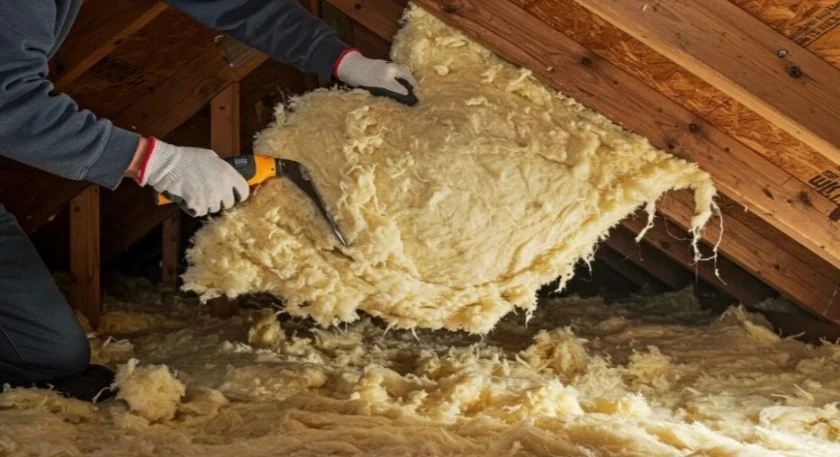
Removing old fiberglass or blown-in cellulose before spraying foam along the attic roofline is standard practice. Clearing out old material removes trapped dust, allergens, and pests while creating a clean, conditioned storage space.


























Sign in to leave a comment.