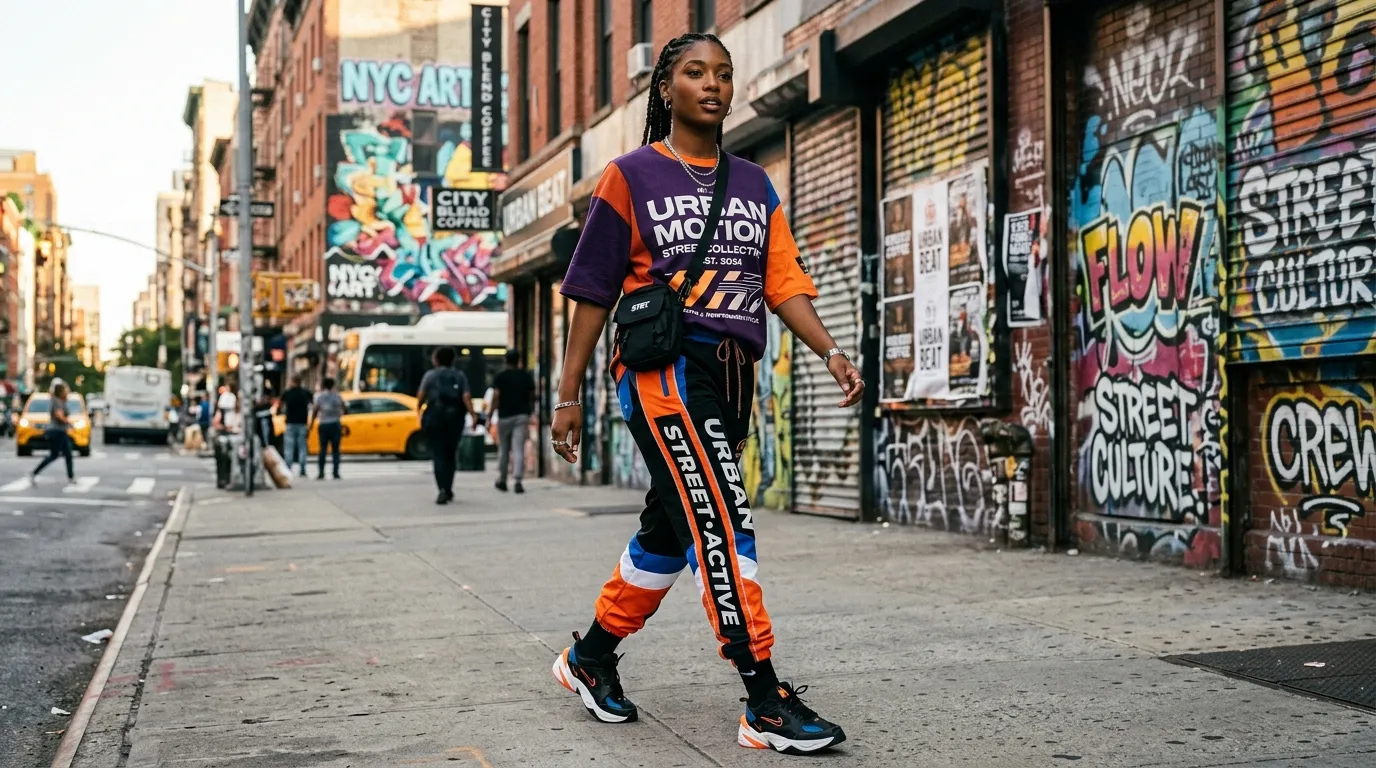

Introduction to Custom Activewear
Custom Activewear has become an important part of the modern fitness and sports industry. Athletes, gyms, fitness companies, clubs, and emerging brands increasingly want apparel that looks professional while supporting real movement. A well-made garment should feel comfortable during exercise, manage moisture, allow flexibility, and maintain its shape after repeated use. For customers in Spain, the United States, Germany, France, Italy, and the United Kingdom, these expectations are becoming part of everyday sportswear purchasing decisions.
Why Personalized Athletic Apparel Is Growing
Personalization gives businesses and athletes greater control over how their apparel looks and performs. Instead of selecting generic garments, buyers can choose colors, artwork, fabrics, cuts, logos, and other details that fit their requirements. This makes customized athletic clothing particularly useful for fitness brands and organizations that want their products to feel different from mass-market alternatives.
Performance Should Come Before Appearance
An attractive garment is valuable, but appearance should never replace performance. During training, athletes need clothing that moves naturally with the body. A good sportswear design considers stretch, weight, breathability, seam placement, and recovery. These details help prevent clothing from becoming a distraction when the intensity of a workout increases.
Choosing the Right Fabric
Fabric selection is one of the most important decisions in activewear production. Lightweight polyester can provide durability and moisture management, while fabrics containing elastane can offer additional stretch. Different activities require different material combinations, so the right choice depends on whether the garment is intended for running, gym training, yoga, cycling, team sports, or general fitness.
Moisture-Wicking Materials for Active Users
Sweat management is essential during exercise. Moisture-wicking materials help move perspiration away from the skin and support faster evaporation. This can make training apparel more comfortable during long workouts, especially when athletes exercise at high intensity or in warm conditions.
Breathability for Different Climates
Activewear should also account for climate. Athletes training outdoors in warmer regions may benefit from lightweight and highly breathable constructions, while customers exercising in cooler environments may prefer fabrics with greater coverage. A knowledgeable manufacturer considers the intended market and activity instead of using the same specification for every product.
Stretch and Freedom of Movement
Movement is central to athletic apparel. Stretchable fabrics allow garments to follow the body during squats, lunges, running, lifting, stretching, and other exercises. Strategic panel placement can further improve mobility by reducing restriction around areas that experience frequent movement.
Getting the Fit Right
Fit can determine whether a garment feels professional or frustrating. Activewear that is too tight may restrict movement, while overly loose clothing can shift during exercise. A manufacturer should provide accurate measurements and appropriate patterns for the intended activity.
Custom Sizing for Different Customers
Fitness communities include people with many different body shapes and proportions. Custom sizing can help brands provide a more consistent customer experience. Before production begins, buyers should review detailed size specifications and approve samples to reduce the risk of uncomfortable fits across an entire order.
Design Creates Brand Recognition
Design is a major reason businesses choose personalized apparel. Colors, logos, patterns, typography, and placement can turn a simple sports garment into a recognizable part of a brand. The strongest designs remain practical while making the organization or company easy to identify.
Sublimation Printing for Detailed Designs
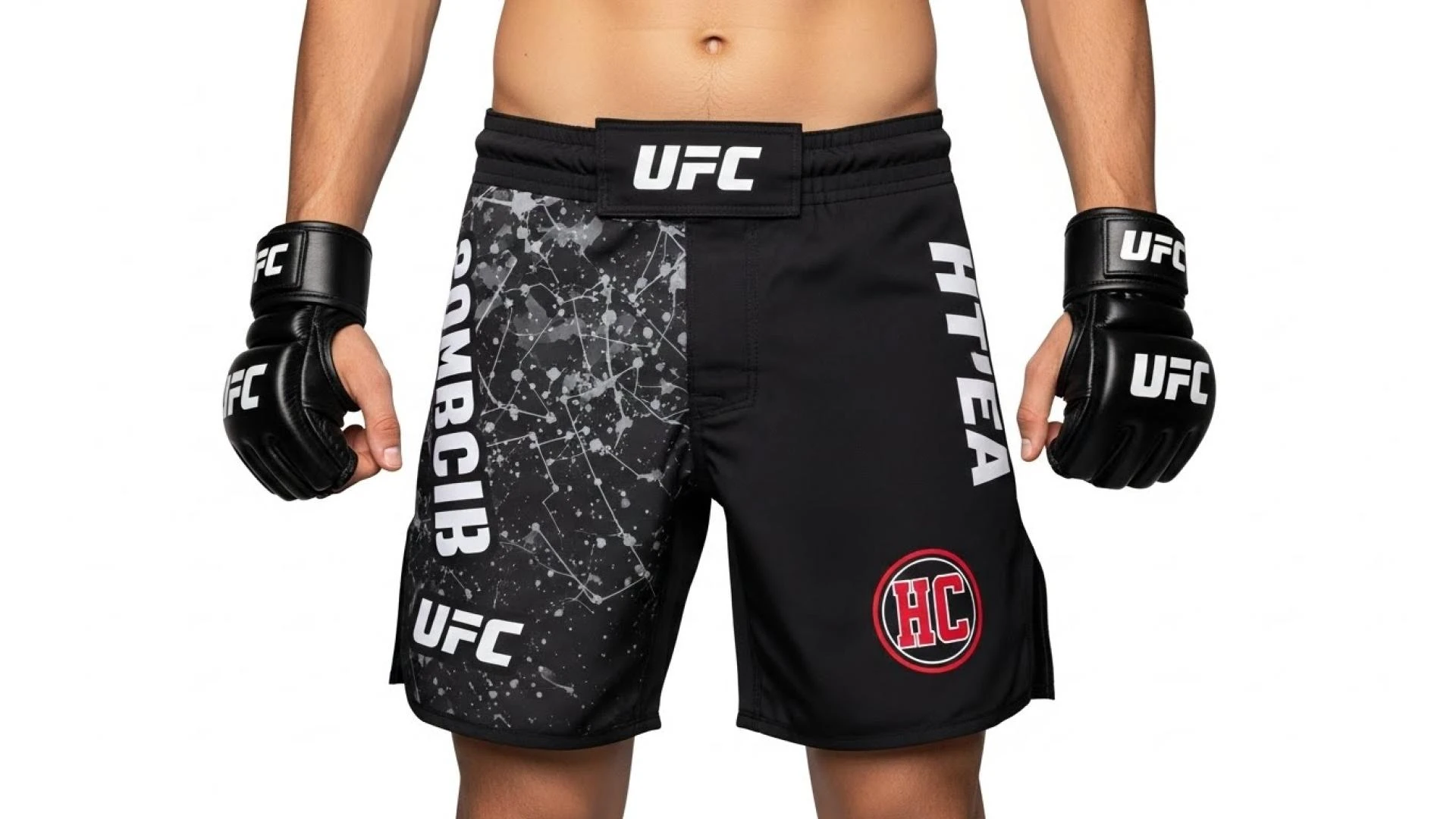
Sublimation printing is popular for many performance garments because it can reproduce detailed graphics and multiple colors. When the appropriate fabric and production process are used, the artwork becomes an integrated part of the garment and can maintain its appearance through regular sports use.
Other Decoration Methods
Different products may require different decoration techniques. Screen printing can suit certain simple graphics, embroidery can provide a premium raised finish, and heat-transfer applications can work well for names and numbers. The correct method depends on the fabric, artwork, expected use, and desired finish.
How to Be a Sports Manufacturer in 2026
Becoming a successful sports manufacturer in 2026 requires more than purchasing production machinery. Manufacturers need skilled employees, dependable material sourcing, accurate pattern development, quality control, efficient communication, and an understanding of international customers. Modern production technology is valuable, but experience remains essential when solving real manufacturing challenges.
The Importance of Sampling
A sample gives buyers the opportunity to examine the actual product before bulk manufacturing. It can reveal problems with sizing, fabric weight, artwork placement, color, stitching, or overall construction. Approving a sample before production is one of the simplest ways to reduce avoidable errors.
Bulk Production and Consistency
Large orders require consistency. Every garment should match the approved specifications in terms of fabric, color, measurements, stitching, and decoration. This is especially important for sports teams and fitness brands where customers expect products within the same collection to look and feel alike.
Quality Control Throughout Production
Quality control should not happen only when an order is finished. Manufacturers can inspect fabric before cutting, monitor stitching during production, and review decoration and measurements before packaging. A structured inspection process helps maintain consistency and reduces the likelihood of defective products reaching customers.
Durability Matters for Activewear
Sports garments are washed frequently and exposed to stretching, sweat, friction, and repeated movement. Strong seams, suitable fabrics, reliable decoration, and good finishing therefore matter. Durable apparel can provide better long-term value than products designed primarily around a low initial price.
Sustainability in Modern Manufacturing
Sustainability is increasingly influencing sportswear purchasing decisions. Buyers may look for recycled fibers, responsible dyeing processes, reduced waste, efficient production, and more thoughtful packaging. Responsible manufacturing should be based on practical improvements rather than simply adding environmental language to product descriptions.
Supporting European Fitness Markets
The European sportswear market includes professional teams, independent gyms, fitness studios, sports clubs, startups, and established apparel companies. Customers in Spain, Germany, France, Italy, and the United Kingdom may have different product requirements, but quality, dependable communication, and reliable production remain important across these markets.
Meeting the Needs of United States Brands
The United States offers a broad market for customized fitness apparel. Gyms, sports organizations, fitness influencers, startups, and established brands may require everything from small collections to larger production runs. Flexible manufacturing can help businesses develop products that match their audience and brand positioning.
Manufacturer Experience Builds Confidence
Experience becomes particularly valuable when a project includes several garments, complicated artwork, multiple sizes, or specialized fabrics. A manufacturer that understands sportswear can identify potential production problems and recommend practical solutions before they become costly. Great Fit Sports brings more than 20 years of experience in sports manufacturing and focuses on producing performance-driven apparel for international customers.
Activewear for Gyms and Fitness Studios
Gyms and fitness studios can use branded apparel to create a stronger community identity. Matching tops, leggings, shorts, jackets, and training pieces can give staff a professional appearance while allowing members to purchase merchandise connected with the gym.
Activewear for Fitness Brands
For an independent fitness brand, apparel is often more than merchandise. It can become part of the company’s identity. Consistent colors, recognizable graphics, comfortable fabrics, and reliable construction can help a new collection create a stronger impression among customers.
Activewear for Teams and Organizations
Teams can also benefit from customized training apparel. Players may use different garments for warm-ups, practice sessions, travel, and recovery. Coordinated products create a consistent appearance while giving athletes clothing designed for different stages of their sporting routine.
Avoiding Common Purchasing Mistakes
Choosing a supplier based only on price can create problems later. Low-quality fabric, inaccurate sizing, weak stitching, or poor printing may reduce the useful life of a product. Buyers should instead consider overall value, manufacturing capability, sample quality, communication, and production consistency.
Questions to Ask Before Ordering
Before starting production, buyers should confirm minimum order quantities, available fabrics, size specifications, customization options, sample procedures, production times, inspection standards, packaging, and shipping arrangements. Clear information at the beginning makes the entire project easier to manage.
Customer Testimonials and Real Experiences
Customer feedback can show how customized apparel performs in everyday situations. One fitness business owner explained, “The final garments gave our team a consistent professional appearance without sacrificing comfort.” Another customer noted, “The fabric handled regular training well, and the sizing remained consistent across the order.” Experiences like these demonstrate why quality and manufacturing precision matter.
Technology Is Changing Sportswear Production
Digital pattern development, improved sublimation equipment, automated cutting, and production monitoring are helping manufacturers improve accuracy. These technologies can reduce waste and speed up certain processes, but they work best when supported by experienced production teams.
Human Expertise Still Matters
Sportswear production is not completely automated. Experienced professionals understand how different fabrics behave during cutting and sewing, how designs should be positioned, and how construction affects movement. Human judgment remains important when turning a digital design into a functional garment.
The Future of Custom Activewear
The future will likely bring more specialized fabrics, better fit systems, responsible materials, and increasingly personalized designs. Customers are becoming more selective, which means manufacturers need to focus on measurable quality rather than relying only on attractive product images.
Building Long-Term Manufacturer Relationships
A reliable manufacturing relationship can become an advantage as a brand grows. When a supplier understands a company's preferred fabrics, measurements, artwork standards, and production expectations, future orders can become more efficient. Long-term collaboration also creates opportunities to improve products based on customer feedback.
Why Quality Is a Better Long-Term Investment
Quality activewear should continue to perform after repeated training and washing. Investing in reliable materials and construction can reduce replacement requirements and improve customer satisfaction. For brands, that can translate into stronger repeat business and a better reputation.
Conclusion: Choosing Better Activewear in 2026
The best athletic apparel combines function, comfort, durability, design, and dependable manufacturing. For teams, gyms, athletes, and fitness brands, the manufacturing partner can be just as important as the original design. From selecting fabrics and developing patterns to approving samples, controlling quality, and managing production, every stage contributes to the finished garment. With the right approach, customized activewear can support athletic performance while giving businesses a distinctive and professional identity.
Frequently Asked Questions
How do I choose the right Custom Activewear manufacturer?
Look for proven sportswear experience, suitable fabric options, accurate sizing, reliable samples, quality-control procedures, and clear communication. A capable manufacturer should be able to explain each stage from design through final production.
What makes Custom Activewear different from standard fitness clothing?
Personalized apparel allows buyers to control design, branding, sizing, fabric selection, and product details. It can therefore be developed around the specific needs of an athlete, team, gym, or fitness brand.
Why is fabric selection important for activewear?
Fabric affects breathability, stretch, moisture management, durability, weight, and comfort. Selecting a material according to the intended activity helps the finished garment perform more effectively.
How does sampling improve the manufacturing process?
Sampling lets buyers inspect an actual garment before approving a bulk order. It provides an opportunity to correct fit, artwork, fabric, stitching, and construction issues before larger production begins.
What should I check before ordering customized athletic apparel?
Review the fabric specifications, size chart, artwork, colors, logo placement, decoration method, quantities, sample, production schedule, quality standards, packaging, and delivery requirements before approving production.





















Sign in to leave a comment.