

Choosing jewelry for your wedding or everyday wardrobe becomes easier when each piece works harmoniously with your engagement ring. An engagement ring often holds deep sentimental value, making it a natural focal point for other jewelry choices. Whether you prefer classic elegance, modern minimalism, or a more expressive style, selecting complementary pieces can help create a balanced and polished look.
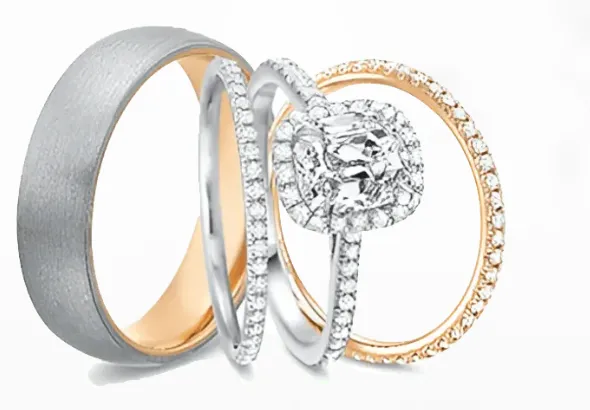
Consider the Metal of Your Engagement Ring
One of the first factors to consider is the metal used in your engagement ring. Gold, white gold, platinum, and rose gold each offer a distinct appearance that can influence your choice of other jewelry.
White gold and platinum generally create a cool-toned, contemporary look, while yellow gold offers warmth and a traditional feel. Rose gold provides a softer, romantic appearance. Choosing jewelry in a similar metal can create a coordinated look, although mixing metals can also work beautifully when done intentionally.
For example, a yellow gold engagement ring can pair well with delicate gold earrings or a matching bracelet. A platinum ring may look especially elegant alongside silver-toned accessories.
Match Jewelry to the Engagement Ring's Design
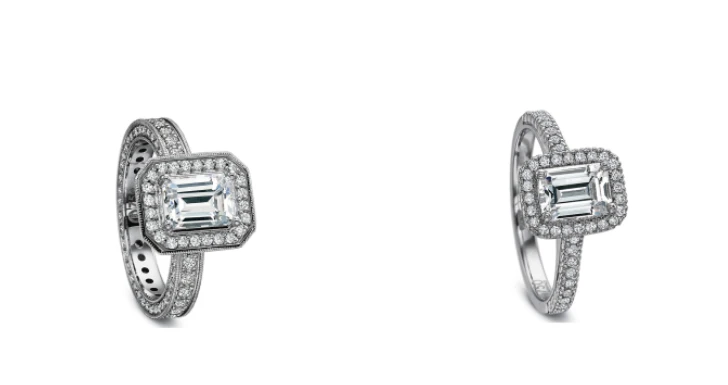
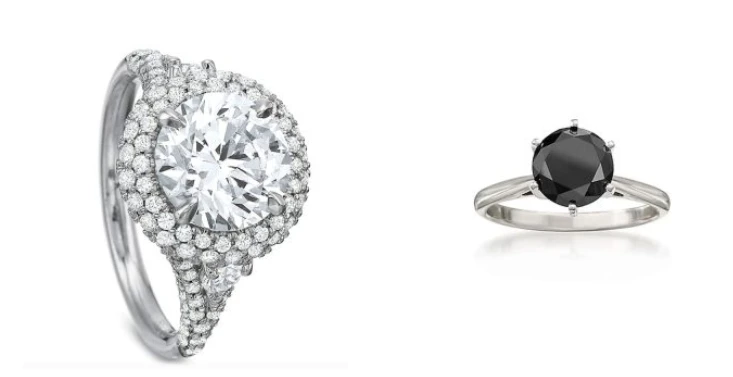
The design of your engagement ring can help guide your jewelry selections. A simple solitaire ring often pairs well with understated accessories, allowing the center stone to remain the main attraction. A halo ring with additional diamonds may look best alongside delicate jewelry that does not compete with its detailed design.
If your engagement ring features an unusual stone shape, such as an oval, pear, or marquise cut, consider accessories that complement its overall character rather than matching every detail exactly.
The goal is to create visual harmony. Jewelry does not need to be identical to look coordinated; it simply needs to work together in terms of scale, style, and finish.
Choose Wedding Rings That Work Together
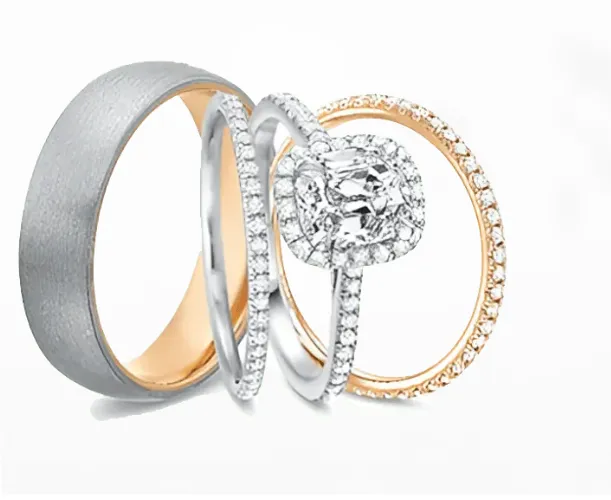
When planning your bridal jewelry, consider how your engagement ring will pair with your wedding band. Choosing complementary Wedding Rings can help create a coordinated look while reflecting your personal style. These rings are often worn together, so their shapes, metals, and proportions can make a noticeable difference in comfort and appearance.
A straight wedding band may suit an engagement ring with a traditional setting, while a curved or contoured band may fit more closely around a ring with a prominent center stone. Some couples prefer matching designs, while others choose contrasting styles that reflect their individual preferences.
Before making a purchase, try the rings together if possible. Check whether they sit comfortably on your finger, fit together as intended, and maintain the appearance you want. A jeweler can also recommend a custom band if a standard design does not fit your engagement ring properly.
Balance Statement Pieces With Simple Accessories
It can be tempting to wear several eye-catching pieces together, especially for a wedding or formal occasion. However, balancing statement jewelry with simpler accessories often creates a more refined result.
If your engagement ring has a large center diamond or an intricate setting, consider small stud earrings, a fine necklace, or a slim bracelet. These pieces add elegance without overwhelming the overall look.
Alternatively, if your engagement ring has a minimalist design, you may have more flexibility to experiment with statement earrings or a distinctive necklace.
Think about where you want the attention to fall. Choosing one focal point and supporting it with subtle accessories can make your jewelry feel thoughtfully coordinated.
Take Your Wedding Outfit Into Account
Your clothing can also influence which jewelry pieces work best with your engagement ring. Necklines, sleeve lengths, fabric textures, and decorative details all affect how accessories appear together.
A strapless or sweetheart neckline can provide room for a necklace, while a high neckline may work better with earrings or a bracelet. Dresses with elaborate embroidery or embellishments often pair well with simpler jewelry, whereas minimalist outfits can accommodate more decorative pieces.
For wedding-day styling, consider trying on your jewelry with your complete outfit before the event. This allows you to see how the pieces interact and make adjustments well in advance.
Think About Your Everyday Lifestyle
Jewelry should suit your daily routine as well as special occasions. If you frequently work with your hands, exercise, or participate in activities that could expose your rings to impact, practical designs may be more comfortable and easier to maintain.
Small earrings, lightweight necklaces, and bracelets with secure clasps can be useful choices for everyday wear. Rings with raised settings may require extra care because their stones can catch on clothing or come into contact with hard surfaces.
Consider how often you plan to wear each piece and whether it will be comfortable for extended periods. A beautiful combination is most useful when it fits naturally into your lifestyle.
Understand the Importance of Proportion
Proportion can make a significant difference when coordinating jewelry. A delicate engagement ring may look balanced with fine chains and smaller earrings, while a bold ring may pair well with accessories that have a little more visual weight.
This does not mean every piece must have the same size or level of detail. Instead, consider the overall impression created by the combination. A large necklace, oversized earrings, and an elaborate engagement ring may compete for attention, whereas a more selective approach can create a cohesive appearance.
Trying different combinations in natural lighting can help you determine which proportions feel most comfortable and flattering.
Prioritize Quality and Long-Term Care
Fine jewelry is often purchased to mark meaningful occasions, so quality and maintenance deserve careful consideration. Look for well-crafted settings, secure stone placement, and materials suited to the intended use.
Regularly inspect rings and other frequently worn pieces for loose stones, damaged clasps, or signs of wear. Follow appropriate cleaning instructions for each metal and gemstone, as certain stones and treatments require special care.
Professional inspections can help identify potential problems before they become more serious. Store jewelry separately when possible to reduce scratches and prevent delicate chains from tangling.
Final Thoughts
Choosing jewelry that complements your engagement ring involves more than matching metals or selecting similar designs. Consider the ring's setting, the proportions of your accessories, your wedding outfit, and the practical demands of your lifestyle.
By balancing statement pieces with subtle details and prioritizing comfort and quality, you can create a jewelry collection that feels personal and coordinated. Whether you are preparing for your wedding day or choosing pieces for everyday wear, thoughtful selections can help your engagement ring remain a meaningful part of your style for years to come.


















Sign in to leave a comment.