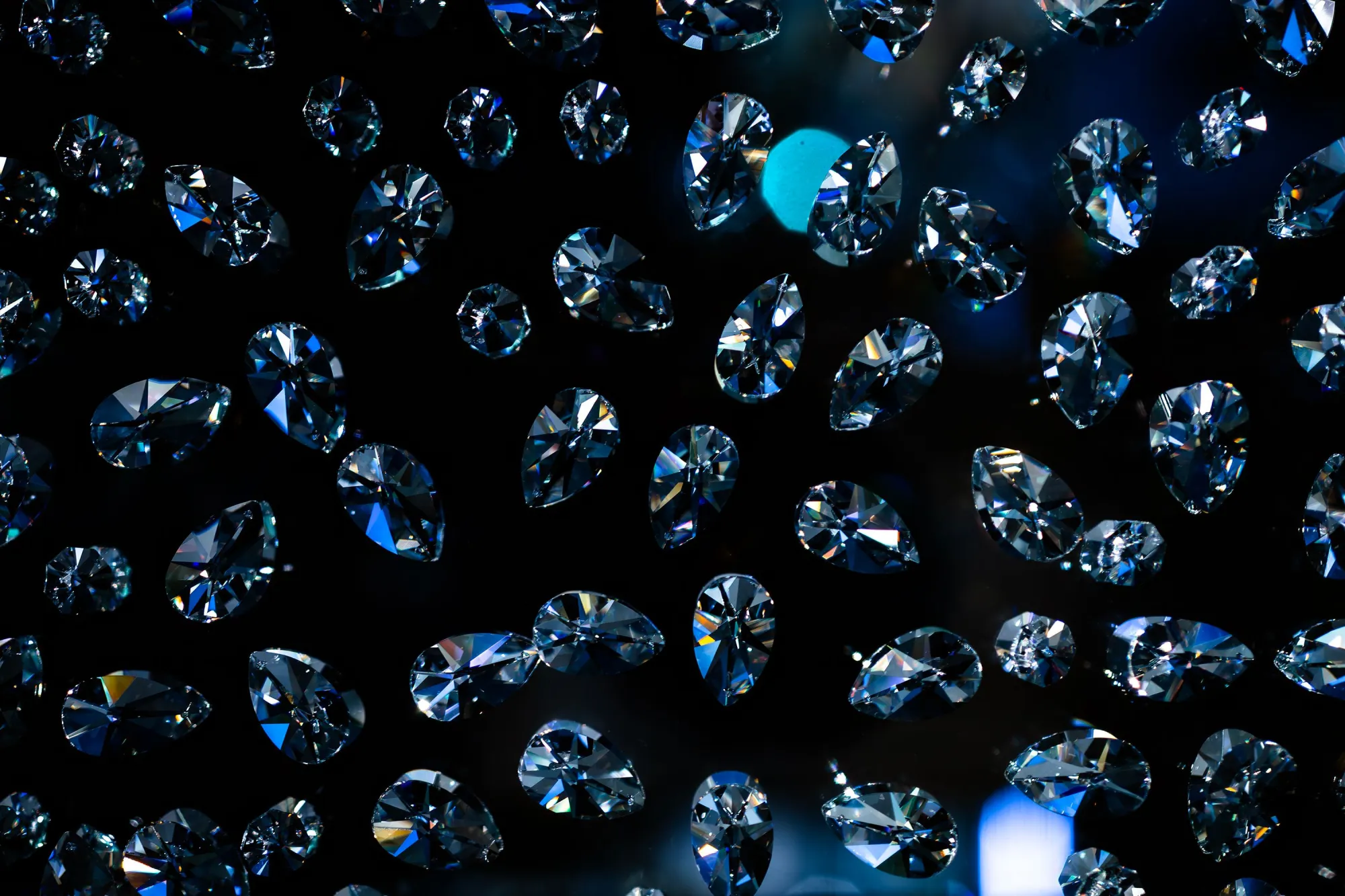

Choosing a diamond is no longer limited to visiting a jewelry store and selecting from a small display. Today, shoppers can explore hundreds of options online, compare specifications, and research different diamond types before making a decision. For people who want flexibility in choosing a stone for an engagement ring, custom jewelry, or another project, lab grown loose diamonds can be an option worth understanding.
Loose diamonds are sold as individual stones rather than already being mounted in jewelry. This gives buyers more control over the diamond they choose and how it will eventually be used. However, finding the right stone requires more than simply comparing prices.
What Are Lab Grown Loose Diamonds?
Lab grown diamonds are diamonds created using advanced technology in a controlled laboratory environment. They have the same basic chemical composition and crystal structure as natural diamonds. The main difference is their origin.
When these diamonds are offered as loose stones, shoppers can evaluate the diamond independently before deciding on a setting. This can be particularly useful for someone designing a custom ring or looking for a specific combination of shape, size, color, and clarity.
The loose format also makes it easier to focus on the characteristics of the stone itself rather than being influenced by an existing jewelry design.
Understand the 4Cs Before Buying
The 4Cs remain an important starting point when comparing diamonds. They are cut, color, clarity, and carat weight.
Cut
Cut affects how a diamond interacts with light. A well-cut diamond can display attractive brightness and sparkle. When comparing stones, avoid looking only at carat weight. Two diamonds with similar carat weights can have noticeably different visual appearances because of differences in cut quality and proportions.
Color
Diamond color refers to how much body color is visible in a stone. Many buyers prefer diamonds with a more colorless appearance, while others may consider slightly warmer grades depending on their setting and personal preference.
Clarity
Clarity describes the presence of internal characteristics and surface features. Not every inclusion is easily visible to the naked eye, so shoppers should consider both the grading information and the actual appearance of the stone.
Carat
Carat refers to a diamond's weight, not its physical size or visual quality. A higher carat weight does not automatically mean a diamond will look better. It is useful to consider carat together with cut, measurements, and the other 4Cs.
Choose the Shape That Matches Your Style
Shape is one of the first visual decisions a buyer may notice. Round diamonds remain a familiar choice, but options such as oval, pear, emerald, cushion, radiant, and princess shapes can create very different looks.
Before searching through hundreds of loose diamonds, decide which shapes you are interested in. Narrowing the search by shape can save time and make comparisons more meaningful.
Consider how the diamond might look in its future setting as well. A stone that looks appealing on a website may create a different overall impression once paired with a particular ring design.
Compare Measurements Along With Carat
Carat weight alone does not tell you how large a diamond will appear from the top. Measurements provide additional information about the stone's length, width, and depth.
This is especially helpful when comparing diamonds with similar carat weights. One stone may have proportions that make it appear larger from above, while another may have greater depth.
When reviewing lab grown loose diamonds online, compare:
- Carat weight
- Length and width
- Depth
- Table percentage
- Cut information
- Shape
- Color and clarity grades
Looking at these details together gives you a more complete picture of each diamond.
Check the Diamond's Grading Report
A reputable grading report provides important information about a diamond's characteristics. Before purchasing a loose diamond, review the available certification or grading documentation and make sure the information corresponds with the stone being offered.
A grading report can help buyers understand the stated 4Cs and other characteristics. It also provides a useful reference when comparing several diamonds with similar specifications.
Do not rely on a product description alone. Take time to review the actual grading information associated with the individual stone.
Look Beyond the Listed Specifications
Technical grades are important, but they should not be the only factors considered. Images and videos can help you understand how a diamond looks, especially when shopping online.
Pay attention to the stone's overall appearance, symmetry, brilliance, and visible characteristics. If videos or high-quality images are available, use them to supplement the written specifications.
It is also helpful to compare several diamonds rather than making a decision after viewing only one. Side-by-side comparison can reveal differences that are difficult to notice when looking at stones separately.
Set Your Budget Before Searching
Having a budget in mind makes the selection process easier. Instead of searching every available diamond, shoppers can establish priorities and decide where they are willing to compromise.
For example, one buyer may prioritize carat weight, while another may care more about cut and visual appearance. Someone creating a custom engagement ring may also need to reserve part of the overall budget for the setting.
Resources such as diamondhedge can help shoppers explore individual diamonds and compare characteristics before narrowing their choices.
Take Your Time Before Making a Decision
Buying a loose diamond is a significant decision, and there is rarely a reason to rush. Create a shortlist of stones that meet your basic requirements, then compare their grading information, measurements, appearance, and pricing.
Ask yourself:
- Does the diamond meet my preferred specifications?
- Is the grading information clear?
- Do the measurements make sense for the carat weight?
- Does the stone look appealing from available images or videos?
- Does it fit comfortably within my overall budget?
A structured comparison can make the buying process more straightforward.
Final Thoughts
Finding the right loose diamond involves balancing personal preferences, visual appearance, quality characteristics, and budget. Lab grown loose diamonds give shoppers another option to consider while allowing them to select an individual stone before choosing its final setting.
Rather than focusing on one specification, compare the 4Cs, shape, measurements, grading information, and overall appearance together. With careful research and a clear understanding of what you want, you can make a more informed decision when searching for a loose diamond online.


























Sign in to leave a comment.