How to Choose Lampshade Fringe for a Vintage Lamp Makeover Columbus Day 2026

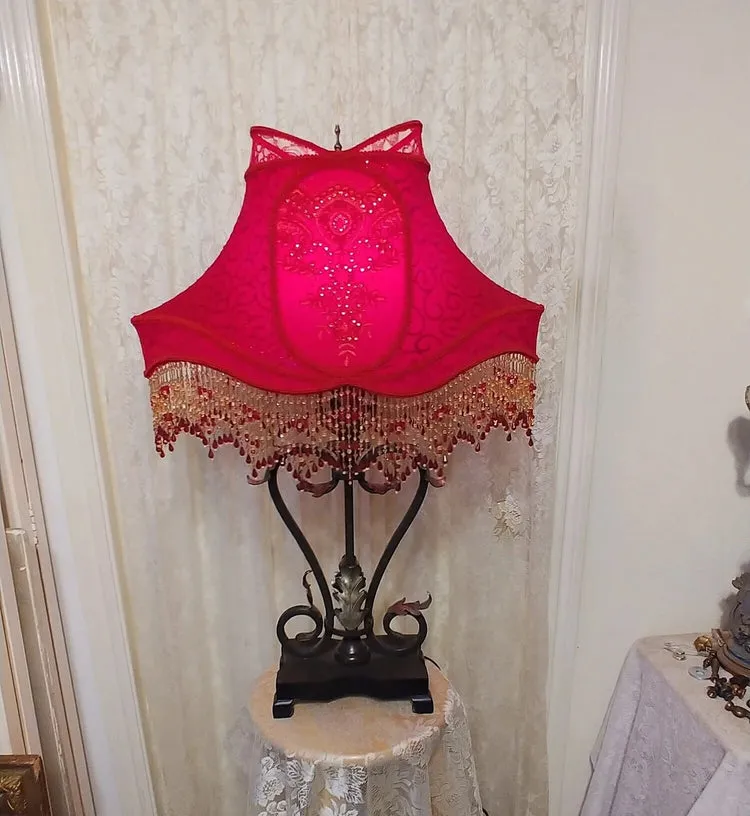
Columbus Day 2026 falls on Monday, October 12, which gives many US households a long weekend. If a tired lamp has been sitting in your garage or guest room, this is a good time to fix it. This guide covers the Best Lampshade Fringe for Restore Lampshade Projects, plus how to match trim, fabric, and frame so the finished lamp looks right in your home.
Why Does Fringe Matter When You Restore a Vintage Lamp?
Fringe is the first thing people notice on a lamp shade and the last thing most DIYers plan for.
On a vintage lamp, trim finishes the bottom edge. It also hides the lower wire ring and the stitching where the fabric meets the frame. That matters when you restore lampshade frames that show their age.
Fringe also adds movement. When a ceiling fan or a passing person stirs the air, the trim sways and catches the light. A plain shade cannot do that.
Good trim should do three jobs:
- Cover the raw edge of the fabric
- Repeat a color from the lamp base or the fabric
- Hang evenly without twisting or curling
What Makes Glass Bead Fringe Different From Other Trims?
Lampshade trims come in cotton ball fringe, silk tassel fringe, chainette, gimp, and glass bead fringe. Each behaves differently once the lamp is turned on.
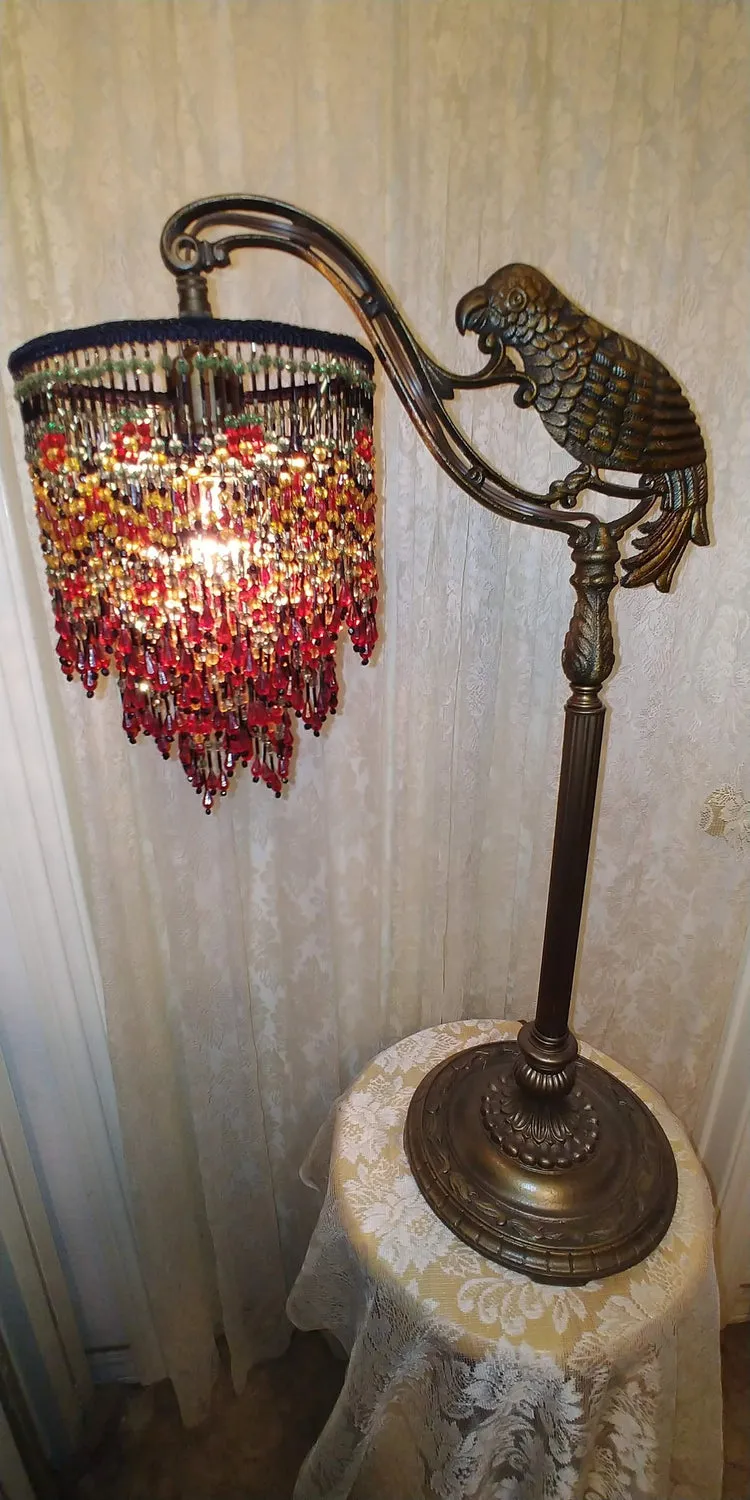
Cotton and silk trims absorb light and give a soft, matte edge. Glass beads reflect it. A warm bulb makes gold and copper beads glow, and the effect stays visible even when the lamp is off.
Beads also hang straighter because of their weight. That weight has a downside, though. Heavy trim needs a sturdy frame and tight stitching, and glass can chip if a lamp is knocked over.
For a quick comparison:
- Cotton fringe: light, affordable, easy to sew, matte finish
- Silk tassel: soft drape, works with fabric shades, fades in direct sun
- Glass bead fringe: heavier, reflects light, suits vintage and cabin styles
How Do You Choose the Right Fringe Length and Color?
Start with the shade, not the trim. Measure the height of the shade and the width of the bottom ring. Then hold a few inches of sample fringe against the edge and step back about six feet. If the trim looks heavy or lost from that distance, change the length.
Color is easier than most people think. Pick one tone from the lamp base, such as brass, and one from the shade fabric, such as cream or gold. A trim that repeats both will almost always look right.
Here are a few practical rules:
- Shorter trim suits small table lamps and bedside shades
- Longer trim works on 20" to 30" lamps with wide bottom rings
- Mixed metallic beads, such as gold with copper, work well on warm fabrics
Keep safety in mind too. Fringe should hang well below the bulb and harp. Use LED or low-heat bulbs in a warm white tone, and never let trim rest against a hot bulb.
What Does a Restored 1920s Lampshade Look Like?
A good real-world example is the Warrior & Indian Maiden Vintage Cabin Rustic Lamp from Lampshade Lady. It shows how Lampshade Fringe works as part of a full restoration instead of an afterthought.
The shade is built on an original 1920s wire lampshade frame that was restored rather than replaced. It sits on a 24" vintage brass-plated double socket base that has been completely rewired.
The artwork shows a warrior on one side and a maiden on the other. The maker used the Crystalline process, which applies tiny glass beads about the size of sugar grains to the art. This was a common finish on shades from the early 1900s, and it gives the image a glow with the light on or off.
Golden silk chiffon covers the frame. A 6" glass bead fringe in gold and copper hangs below it, matching the colors in the fabric. The center panels are also raised 1.5" so the artwork stands out.
The lesson for your own project: choose trim that echoes the fabric, and let the frame and shade shape stay true to the original.
How Do You Restore a Lampshade at Home, Step by Step?
Anyone who wants to restore lampshade frames can do it with basic tools and patience. Here is a simple order of work:
- Inspect the frame: Look for rust, bent wires, and loose joints. Straighten bent wires with pliers.
- Strip old fabric and trim: Cut stitches slowly and save any original trim for reference.
- Clean and prep the frame: Remove light rust with fine steel wool, then wrap the wires with bias tape so fabric and glue grip well.
- Cover the frame: Cut fabric on the bias for a smooth fit and pin it in place before sewing or gluing.
- Attach the fringe: Start at a seam, sew the trim by hand with strong thread, and finish by folding the ends under.
- Check the wiring: If the lamp base is old, replace the cord and socket with UL-listed parts. A licensed electrician should handle anything you are unsure about.
Take your time on step five. Glass beads add real weight, so loose stitching shows up fast.
If you want guided help, a vintage lamp restoration how-to video can save hours of trial and error. Mary's how-to videos walk through frame prep, fabric covering, and trim placement in a way that is easy to follow.
Where Can You Buy Fringe, Frames, and Supplies in the USA?
You have a few good options. Local fabric stores carry basic trims. Estate sales and antique shops in California and across the US often have old frames and bases worth saving.
For specialty parts, a maker who teaches the craft is a safer bet than a general craft retailer. Lampshade Lady, based in Roseville, California, sells what you need in one place:
- Lampshade supplies such as trims, fabric, and hardware
- Lampshade kits for beginners who want everything in one box
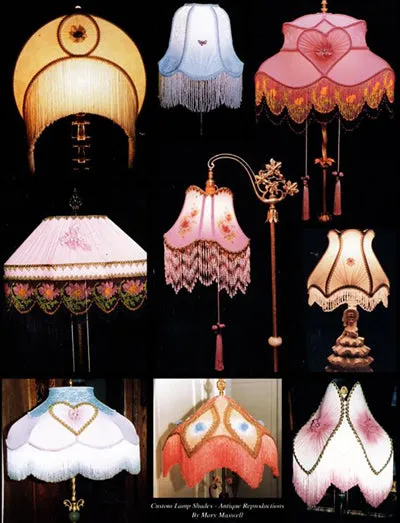
- Wire frames in Victorian and vintage styles
- Mary's Originals for finished shades and lamps
If you would rather start with a finished piece to study, browse the shop at Lampshade Lady and compare how each shade is built before you buy supplies.
Why Is Columbus Day 2026 a Good Time for a Lamp Project?
Columbus Day is a federal holiday observed on the second Monday of October. In 2026 that is October 12. Some states and cities observe Indigenous Peoples' Day instead, but either way many people get a three-day weekend.
That extra time helps. Glue needs to cure, fabric needs to be cut and fitted, and trim has to be sewn without rushing. A long weekend fits that schedule well.
Fall is also when people start spending more evenings indoors. A restored lamp with warm light and bead fringe makes a family room or reading corner feel finished before the holidays arrive.
A simple weekend plan:
- Saturday: buy or gather supplies, strip the old shade
- Sunday: prep the frame and cover it with fabric
- Monday: sew the trim, test the lamp, and place it
Final Thoughts
A lamp project works best when each part supports the others: the frame, the fabric, and the trim. The right Lampshade Fringe ties them together, and a well-chosen restore lampshade project can give an old lamp another few decades of use.
Pick trim that matches your fabric, use a sturdy frame, and give yourself a full weekend. The result should look like it was always meant to be there.
FAQs
1. What is the best fringe for a vintage lamp?
Glass bead fringe suits vintage and cabin styles best. It reflects light, hangs evenly, and matches brass or copper lamp bases well.
2. How long should fringe be on a lamp shade?
It depends on shade size. Small bedside shades look right with 2" to 3" trim, while larger 20" to 30" lamps can carry 5" to 6" fringe.
3. Can I sew fringe onto an old shade myself?
Yes. Use strong thread, sew by hand, and start at a seam. Test one section first to see how the weight hangs.
4. Is glass bead trim safe near a light bulb?
Glass does not burn, but the thread and fabric can. Use LED or low-heat bulbs and keep trim well below the bulb.
5. How do I clean bead fringe?
Dust it with a soft brush or a hair dryer on a cool setting. For heavier dirt, dab with a damp cloth and let it air dry.
6. Can I restore a lampshade without replacing the frame?
Often yes. If the wire is straight and the joints are solid, you can clean, wrap, and recover the original frame.
7. How much does it cost to restore a lampshade?
Basic projects can cost under $50 in fabric and trim. Specialty work, rewiring, or hand-finished shades cost more.
8. What fabric works best with bead fringe?
Silk, chiffon, and light brocade all work well. Heavy fabric can look crowded when paired with thick bead trim.
9. Do I need to rewire an old lamp?
Rewire if the cord is cracked, brittle, or frayed. Always use UL-listed parts, and hire an electrician if you are unsure.
10. Where can I learn lampshade making in California?
Lampshade Lady in Roseville, California teaches handmade shade techniques through videos, kits, and supplies for beginners and experienced makers.







Sign in to leave a comment.