
Dry skin can feel uncomfortable, tight, rough, or flaky, especially after cleansing or during colder and drier weather. Choosing the right skincare products can make a noticeable difference, but “natural” does not automatically mean that a product will work for every person or every skin type.
The best approach is to look for products that support your skin barrier, provide gentle hydration, and avoid ingredients that commonly cause irritation for you. A simple routine with the right products is often more useful than using many different products at once.
If your skin is both dry and easily irritated, choosing natural skincare products for dry skin requires a little extra attention to ingredients, texture, and how your skin responds.
Understand What Dry Skin Really Needs
Dry skin often lacks enough oil to keep moisture from escaping easily. This can leave the skin feeling tight and rough.
Common signs of dry skin include:
- Tightness after washing
- Flaky or rough areas
- A dull-looking appearance
- Fine lines that appear more noticeable when the skin is dry
- Increased sensitivity to some products
- Occasional itching or discomfort
Dry skin does not always mean that your skin is damaged. However, repeated exposure to harsh cleansers, very hot water, dry weather, or irritating skincare products can make dryness worse.
The goal of a good skincare routine is therefore not simply to add moisture. It is also to help the skin hold on to that moisture.
Look for Gentle, Moisture-Supporting Ingredients
When shopping for skincare, pay attention to what the formula is designed to do.
Some ingredients can help support hydrated, comfortable-looking skin. Humectants such as glycerin can help attract water to the skin. Ingredients such as oils, butters, and other emollients can help soften the skin and reduce the feeling of roughness.
For dry skin, you may want to look for products containing ingredients such as:
- Glycerin
- Hyaluronic acid
- Aloe vera
- Plant oils
- Shea butter
- Ceramides
- Squalane
You do not need every one of these ingredients in a single product. A simple formula that your skin tolerates well can be a better choice than a complicated formula containing many active ingredients.
Natural Does Not Always Mean Irritation-Free
One of the most important things to understand when selecting skincare is that the word “natural” does not guarantee that a product will be gentle for everyone.
Some botanical ingredients and essential oils can cause irritation or sensitivity in certain people. Your individual skin response matters more than whether an ingredient is natural or synthetic.
This is especially important when looking for natural skincare products for sensitive skin. If your skin reacts easily, introduce one new product at a time so you can understand how your skin responds.
Before applying a new product across your face, consider testing a small amount on an inconspicuous area first. If you experience significant burning, swelling, itching, or a rash, stop using the product and seek professional medical advice if the reaction is severe or does not improve.
Choose a Gentle Cleanser
Cleansing is an important part of dry-skin care, but over-cleansing can leave your skin feeling even tighter.
Look for a cleanser that removes everyday dirt, sweat, sunscreen, and makeup without leaving your face feeling stripped.
Try to avoid washing your face with very hot water. Lukewarm water is generally a more comfortable choice for dry skin.
You also do not necessarily need to scrub your skin to make it feel clean. Rough scrubs and aggressive rubbing can make already-dry skin feel uncomfortable.
After cleansing, gently pat your face dry instead of rubbing it with a towel.
Add a Hydrating Toner if It Works for You
A toner is optional, but it can be a useful step for people who enjoy an extra layer of lightweight hydration.
For normal-to-dry skin, a toner designed to refresh the skin without leaving it feeling tight can fit nicely into a simple routine.
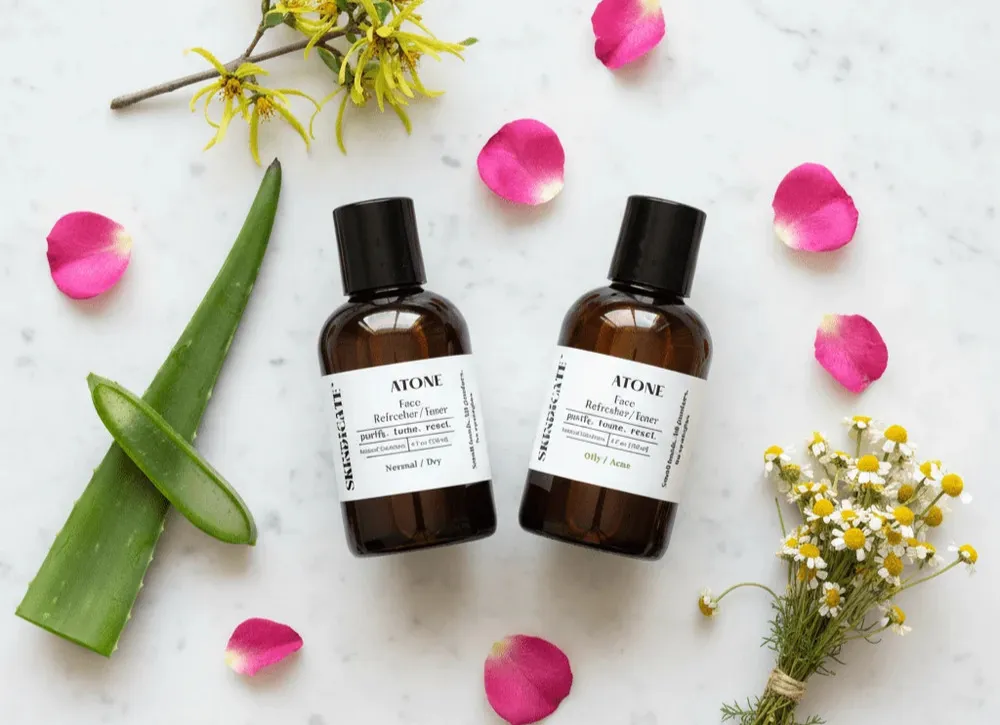
For example, ATONE - TONER (NORMAL/DRY) can be considered as part of a routine focused on normal-to-dry skin. The important thing is to pay attention to how your own skin responds rather than choosing a product simply because it is marketed for dry skin.
Apply toner gently after cleansing, then follow with a moisturizer while your skin still feels comfortable and slightly hydrated.
Do Not Skip Moisturizer
Moisturizer is one of the most useful steps for dry skin because it helps keep the skin feeling soft and comfortable.
A good moisturizer does not have to feel extremely heavy. Choose a texture that works for your skin and fits your routine.
If your skin is very dry, you may prefer a richer cream. If it is only mildly dry, a lighter lotion or cream may be enough.
Apply moisturizer after cleansing and after any water-based skincare steps. This helps create a routine that focuses on keeping moisture in the skin.
Be Careful With Exfoliation
Exfoliation can help remove dead skin cells, but dry skin does not necessarily need frequent exfoliation.
If you exfoliate too often or use a harsh exfoliant, you may experience more dryness, redness, or discomfort.
Instead of trying to remove every dry or flaky patch, focus first on improving your basic routine. Once your skin feels comfortable and balanced, you can decide whether gentle exfoliation is actually necessary.
If your skin is sensitive, be particularly cautious with strong exfoliating acids, scrubs, and other active products.
Read the Product Label Before Buying
A product label can tell you more than attractive packaging or marketing claims.
When choosing skincare, consider:
1. Your skin type: Is your skin dry, normal-to-dry, or dry and sensitive?
2. Your current concerns: Are you mainly dealing with tightness and roughness, or do you also experience redness and irritation?
3. The ingredient list: Look for ingredients that support hydration and avoid ingredients you already know your skin does not tolerate.
4. The product's instructions: Follow the recommended amount and frequency instead of assuming that more product will produce better results.
5. Your recent routine: If you are already using several active products, adding another one may increase the chance of irritation.
Keep Your Routine Simple
One of the biggest mistakes people make with dry skin is using too many products.
You can start with a simple routine:
Morning
- Gentle cleanse or rinse, depending on your skin's needs
- Hydrating toner, if desired
- Moisturizer
- Broad-spectrum sunscreen
Evening
- Gentle cleanser
- Hydrating toner, if desired
- Moisturizer
You can add other products later if there is a clear reason to use them.
Keeping your routine simple also makes it easier to identify which product may be causing irritation.
Pay Attention to Your Skin
Your skin can change with seasons, weather, age, stress, and your daily routine. A moisturizer that feels perfect in winter may feel too heavy during warmer weather.
Instead of following every skincare trend, pay attention to what your skin is telling you.
If your skin feels comfortable, soft, and hydrated, your routine may be working well. If you regularly experience burning, stinging, persistent redness, or worsening dryness, reconsider the products you are using.
Remember that persistent or severe skin problems may need evaluation by a dermatologist. Skincare products can support everyday skin care, but they are not a replacement for medical treatment.
Final Thoughts
Choosing the right skincare does not have to be complicated. The best natural skincare products for dry skin are those that suit your individual needs, support comfortable-looking skin, and fit easily into a consistent routine.
Focus on gentle cleansing, adequate hydration, regular moisturizing, and daily sun protection. Introduce new products slowly, read ingredient labels, and avoid assuming that “natural” automatically means irritation-free.
Most importantly, give your skin time to respond. A simple, consistent routine is often a better starting point than constantly changing products.
By choosing products thoughtfully and paying attention to your skin's response, you can build a practical routine that helps dry skin feel softer, smoother, and more comfortable every day.
























Sign in to leave a comment.