

If you've ever bought a bottle of oil, loved the smell in the shop and then found it disappointing at home, you're not alone. Scent behaves differently once it's diffused into a room, and the type of diffuser you use changes things too. Here's how to choose well.
Start with the room, not the scent
Before you think about lavender or lemon, think about where the diffuser will live. A bedroom needs something soft that won't feel heavy at night. A kitchen or hallway can take brighter, fresher notes. Open-plan spaces need a scent with enough presence to travel.
A good rule of thumb:
- Bedrooms: lavender, sandalwood, gentle floral blends
- Living rooms: warm, cosy scents such as vanilla, cocoa butter or ylang ylang
- Kitchens and hallways: lemon, sweet orange, eucalyptus
- Home offices: lemon, rosemary or a focus blend
Essential oil or fragrance oil?
This is where many people get stuck. Essential oils are extracted from plants, so you get the natural character of lavender, eucalyptus or orange. Fragrance oils are blended to create scents nature can't, such as fresh linen or an ocean breeze, and they tend to last a little longer in the air.
Neither is better. It depends on what you enjoy. Plenty of people keep a couple of each: essential oils for evenings and wellbeing, fragrance oils for making the house smell welcoming when guests arrive. When you're shopping for essential oils for diffuser use, check the label says 100% essential oil rather than a blend thinned with a carrier oil, especially if you use a waterless machine.
Why your diffuser type matters
Traditional ultrasonic diffusers mix a few drops of oil with water. That works, but the scent is diluted, and the tank needs regular cleaning to stop it going cloudy or mouldy.
A waterless diffuser works differently. It turns undiluted oil into a fine, dry mist, so you smell the oil as it's meant to smell. If you're looking for a waterless diffuser UK homes can rely on, this is the key difference to understand. There's no tank to empty, no residue on furniture and no fiddly measuring of drops.
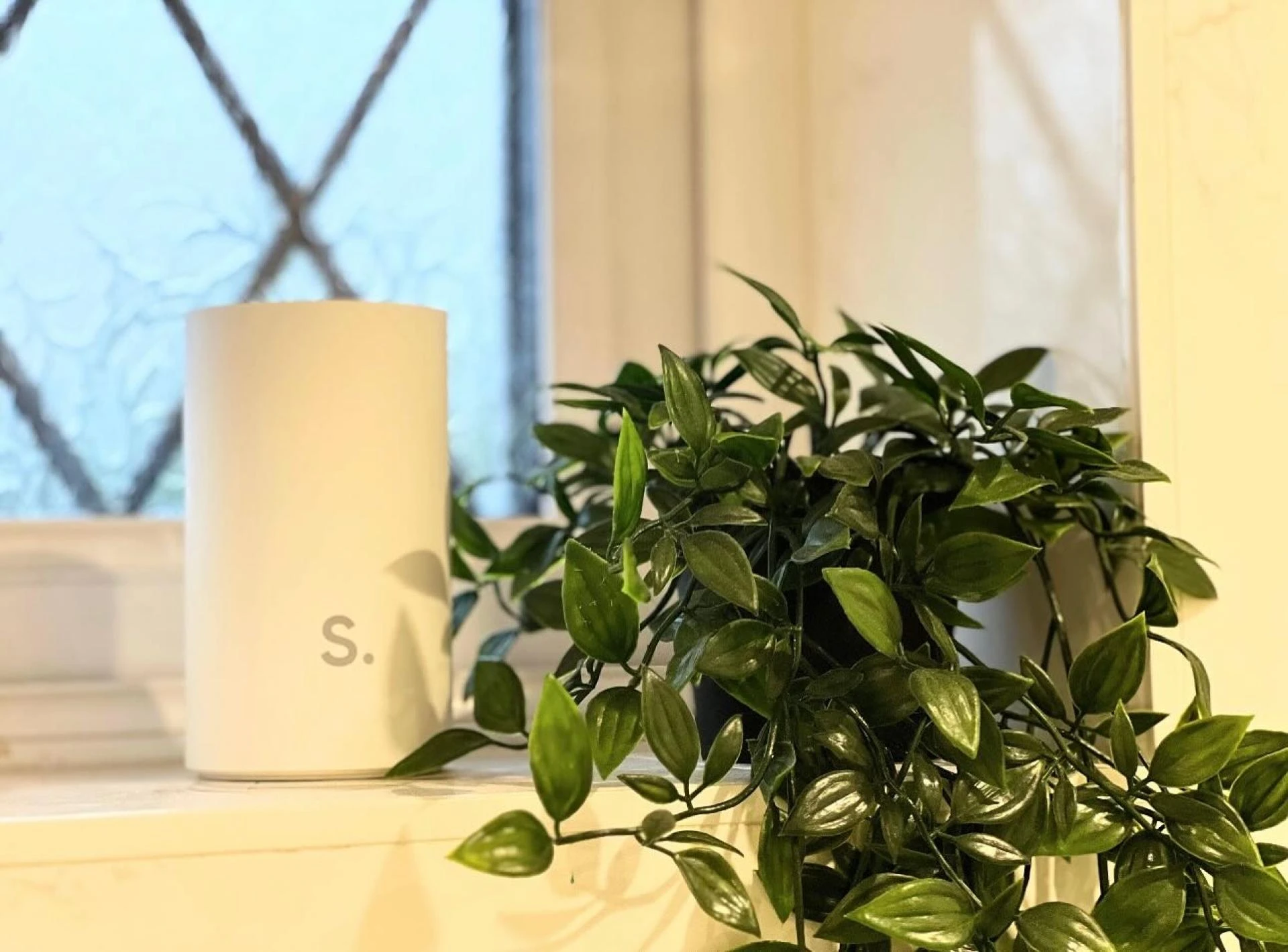
The Scandiscents Halo Home Diffuser is a good example. You simply screw a standard 10ml bottle onto the nozzle, choose low, medium or high, and set a timer between one and four hours. It's rechargeable and cordless, so you can move it from room to room as your day changes.
How to make a bottle last longer
Waterless diffusers use oil more efficiently than you might expect, especially on the lower settings. A 10ml bottle in the Halo lasts around 100 hours on the lowest setting. To get the most from each one:
- Use the timer. Scent works best in bursts. Your nose gets used to a constant smell, so an hour on and a break often feels stronger than running it all day.
- Match the setting to the room. Low for a small bedroom, high for an open-plan lounge.
- Store oils properly. Keep bottles tightly closed, upright and out of direct sunlight.
- Don't mix oils with water or carrier oils in a waterless diffuser, as this can block the nozzle.
Finding the right essential oil diffuser UK buyers trust
Look for a diffuser with good coverage, simple controls and plenty of genuine reviews. The Halo holds a 4.9-star rating from more than 2,000 customers, several of whom mention how much easier it is than their previous diffuser. If you're comparing options for an essential oil diffuser in UK customers rate highly, it's worth knowing Scandiscents dispatches orders placed before 2.30pm the same working day. Choose the room, choose the mood, then choose the oil. Your home will thank you for it.























Sign in to leave a comment.