Spending time outdoors can be enjoyable, but long hours in the sun call for thoughtful clothing choices. This is especially true for golf, tennis, travel, beach days, and outdoor walks. The right clothing can help you stay comfortable while adding another layer of protection to your daily sun-care routine.
If you are wondering how to choose sun protective clothing, start by looking at the UPF rating, fabric, coverage, fit, and comfort. A garment should not only provide useful protection. It should also be comfortable enough to wear for several hours.
What Is UPF?
UPF stands for Ultraviolet Protection Factor.
It measures how much ultraviolet radiation passes through a fabric. A higher UPF rating means less UV radiation passes through the material.
UPF clothing is different from simply wearing a long-sleeve shirt.
The protection depends on several factors, including:
- Fabric construction
- Fiber type
- Fabric density
- Color
- Stretch
- Garment condition
- Coverage
When shopping for sun-protective clothing, look for a clearly stated UPF rating rather than assuming that any covered skin receives the same level of protection.
Why UPF 50 Is Popular
UPF 50 is a common choice for people who spend significant time outdoors.
A UPF 50 garment allows only a small portion of UV radiation to pass through the fabric.
This can make it a practical option for activities such as:
- Golf
- Tennis
- Pickleball
- Hiking
- Gardening
- Travel
- Beach activities
- Outdoor dining
However, clothing should be part of a broader sun-protection routine. Sunscreen, shade, hats, and sunglasses can also be useful.
Look for Coverage
Coverage matters when choosing protective clothing.
A garment can have a high UPF rating but still leave areas of skin exposed.
Think about where you expect to spend time outdoors.
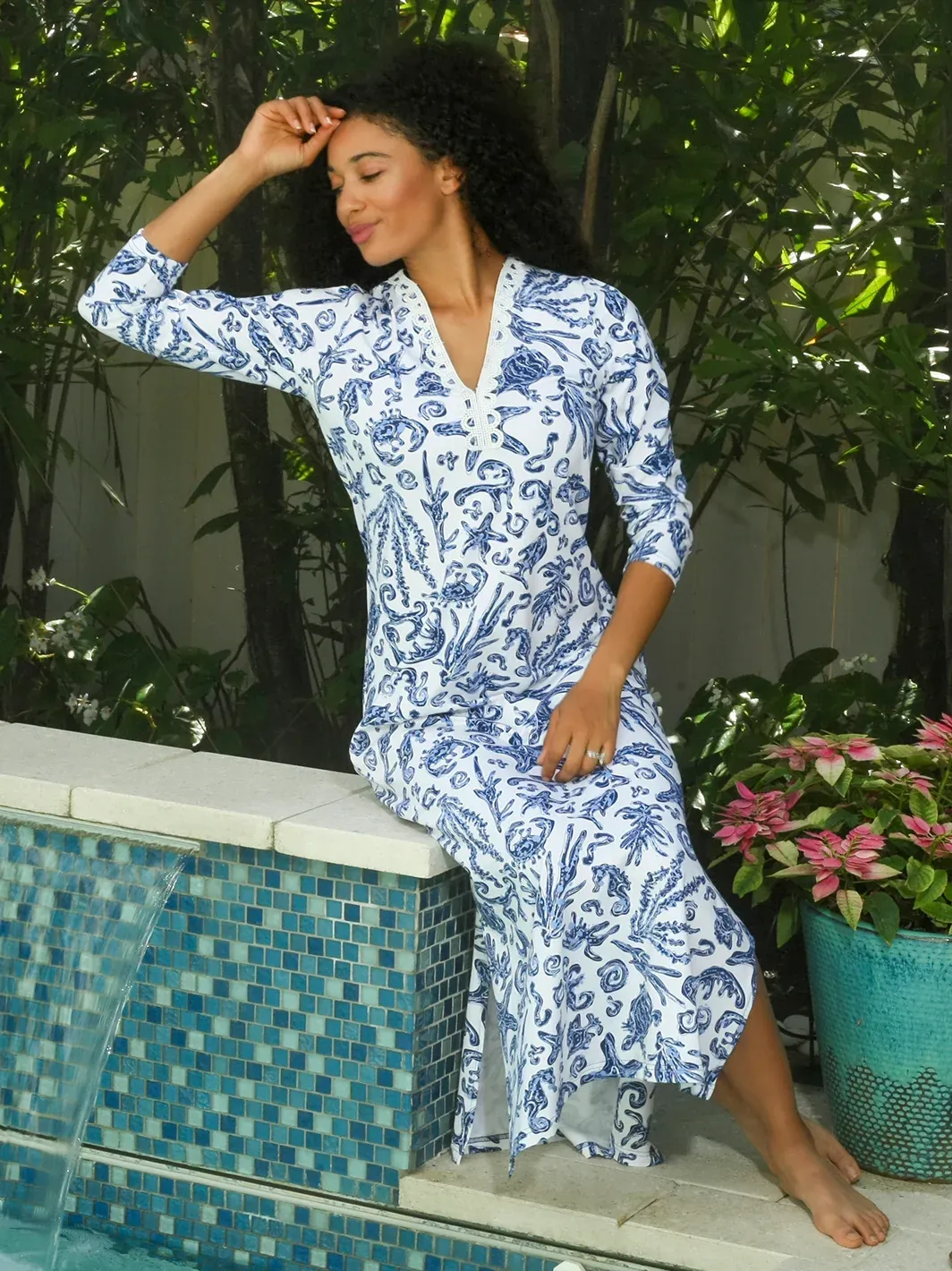
For example, a golf player may prefer sleeves that cover more of the arms. Someone walking along a beach may want a lightweight dress that provides comfortable coverage while still allowing airflow.
Consider:
- Sleeve length
- Neckline
- Hemline
- Overall fit
- Areas that receive direct sunlight
You do not need to cover every inch of skin all the time. The goal is to choose coverage that fits your activity and comfort level.
Choose Comfortable Fabrics
Sun-protective clothing should still feel comfortable.
This becomes especially important in warm climates.
Look for fabrics that feel:
- Lightweight
- Breathable
- Soft
- Flexible
- Easy to maintain
If fabric feels heavy or stiff, you may avoid wearing it.
Comfort encourages consistency.
A lightweight protective top that you enjoy wearing can be more practical than a garment that provides coverage but feels uncomfortable after a short time.
Pay Attention to Fit
Fit can affect both comfort and coverage.
A garment that is too tight may stretch significantly. This can change how the fabric sits on your skin.
A garment that is too loose may feel uncomfortable during active movement.
The ideal fit depends on the activity.
For sports, look for enough room around the shoulders, arms, and torso to move naturally.
For casual travel, a relaxed fit may provide a more comfortable feel.
Try to find a balance between coverage and freedom of movement.
Consider Sleeve Length
Sleeve length is another important factor.
Sleeveless
Sleeveless styles can feel comfortable in hot weather. They allow plenty of airflow and work well for many casual activities.
Short Sleeves
Short sleeves offer a balance between airflow and coverage.
They are useful for everyday outdoor activities and many warm-weather settings.
Three-Quarter Sleeves
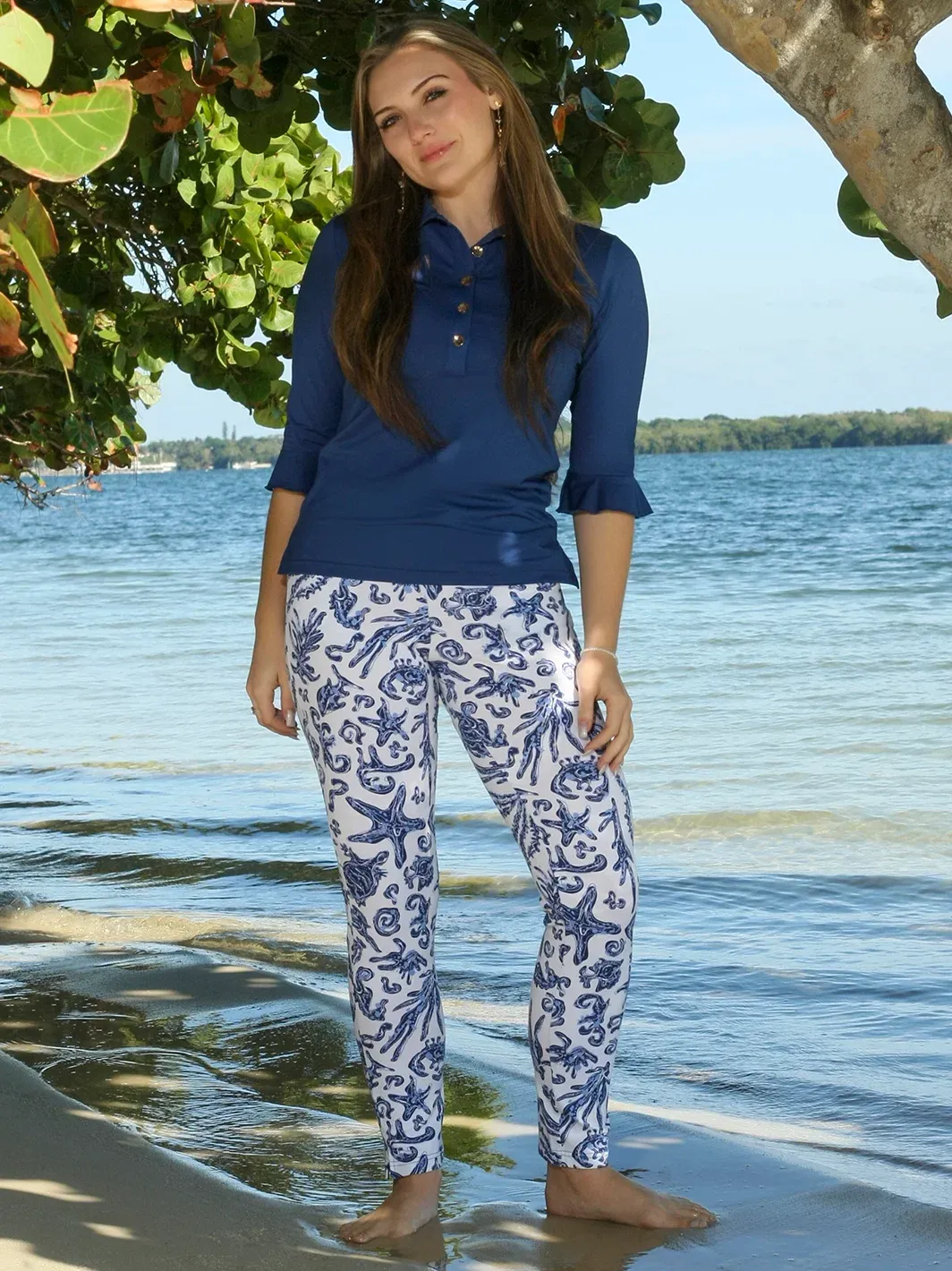
Three-quarter sleeves provide more arm coverage while keeping the forearms exposed.
They can be useful when you want additional coverage without wearing full-length sleeves.
Long Sleeves
Long sleeves provide more coverage for the arms.
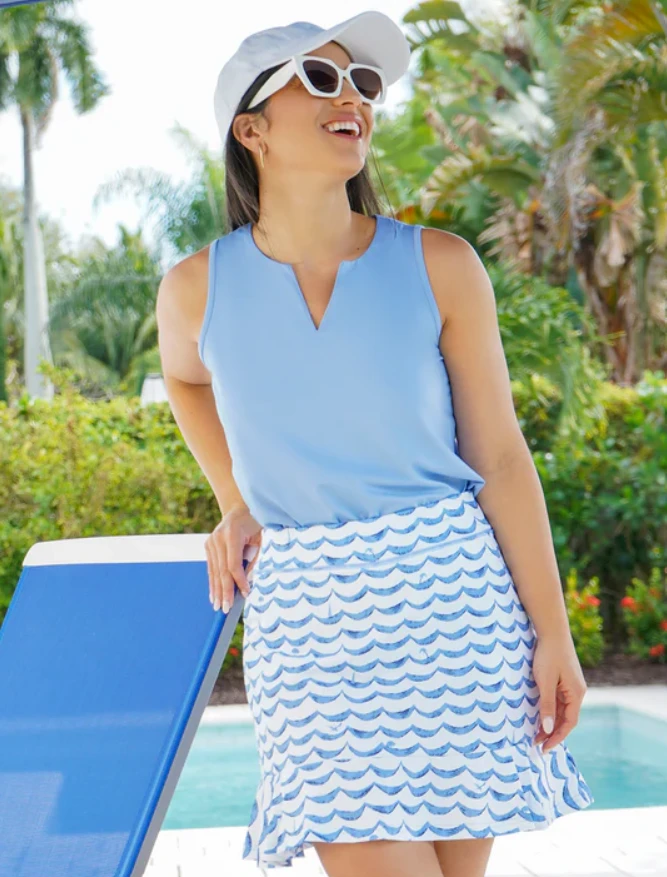
Lightweight long-sleeve designs can work well for golf, travel, walking, and other outdoor activities.
Think About Your Activity
The best garment depends on what you plan to do.
A shirt that works well for a casual lunch may not be suitable for tennis.
Likewise, a highly fitted athletic top may not be your preferred choice for sightseeing.
Ask yourself:
- Will I be moving frequently?
- How long will I be outdoors?
- Will I be in direct sunlight?
- Is the weather hot or humid?
- Do I need a garment for travel?
- Will I wear the piece for more than one activity?
These questions make shopping easier.
Look for Versatility
A good sun-protective wardrobe does not need to contain dozens of pieces.
Choose clothing that can work across different parts of your lifestyle.
For example, a lightweight protective top might work for:
- Golf
- Pickleball
- Travel
- Walking
- Outdoor lunches
- Casual errands
A protective dress can also move between daytime activities and casual evening plans.
Versatility helps you get more value from each garment.
Check Care Requirements
Travel and activewear should be easy to maintain.
Before purchasing a garment, check its care instructions.
Look for pieces that can be washed easily and do not require complicated maintenance.
This is especially useful when traveling.
Easy-care clothing can also be helpful for people who participate in outdoor activities several times each week.
Always follow the manufacturer's care instructions to help maintain the garment's intended performance and appearance.
What About Color?
Color can affect how clothing feels in the sun, but color alone should not be your main method of choosing protective clothing.
Instead, focus on the garment's stated UPF rating and overall construction.
Then choose colors and prints that you enjoy wearing.
There is no reason protective clothing has to look plain.
Bright colors, tropical prints, and polished silhouettes can make outdoor clothing feel more like everyday fashion.
Build a Practical Sun-Protective Wardrobe
A small collection can cover many activities.
Consider starting with:
- One lightweight long-sleeve top
- One short-sleeve top
- One versatile dress
- One comfortable skort
- One lightweight pair of pants
- A hat
- Sunglasses
Choose pieces based on the activities you actually enjoy.
If golf is a regular part of your routine, prioritize golf-friendly tops and bottoms.
If travel is more important, look for easy-care pieces that can transition from sightseeing to dinner.
Final Tips for Choosing UPF Clothing
Choosing protective clothing becomes easier when you focus on the complete garment rather than one feature.
Check the UPF rating first. Then consider coverage, fabric, fit, sleeve length, comfort, and care requirements.
For women who spend a lot of time outdoors, UPF 50 clothing women can be a practical part of a broader sun-protection routine.
The best choice is clothing you will actually enjoy wearing.
Look for pieces that fit your lifestyle, support your movement, and suit the climate where you spend time outdoors. With a few versatile options, you can create a wardrobe that makes sunny days more comfortable without sacrificing personal style.
FAQs
What does UPF mean in clothing?
UPF stands for Ultraviolet Protection Factor. It indicates how effectively fabric blocks ultraviolet radiation from passing through the material.
Is UPF 50 good for outdoor activities?
UPF 50 provides a high level of fabric-based UV protection and can be useful for people who spend extended periods outdoors. It should be combined with other sun-protection habits.
Does all clothing provide UV protection?
All clothing provides some physical coverage, but the level of UV protection varies. A garment with a stated UPF rating gives you more information about its tested protective performance.
What should I look for when buying protective clothing?
Consider the UPF rating, coverage, fabric, fit, comfort, sleeve length, and care requirements. Choose clothing that matches the activity and climate.
Can UPF clothing be fashionable?
Yes. Protective clothing is available in many colors, prints, silhouettes, and styles. You can choose pieces that provide coverage while still fitting your personal style.
Ready for More Comfortable Days Outdoors?
Build your wardrobe around lightweight, versatile clothing that combines comfort, coverage, and practical sun protection.
Explore AnaClare
























Sign in to leave a comment.