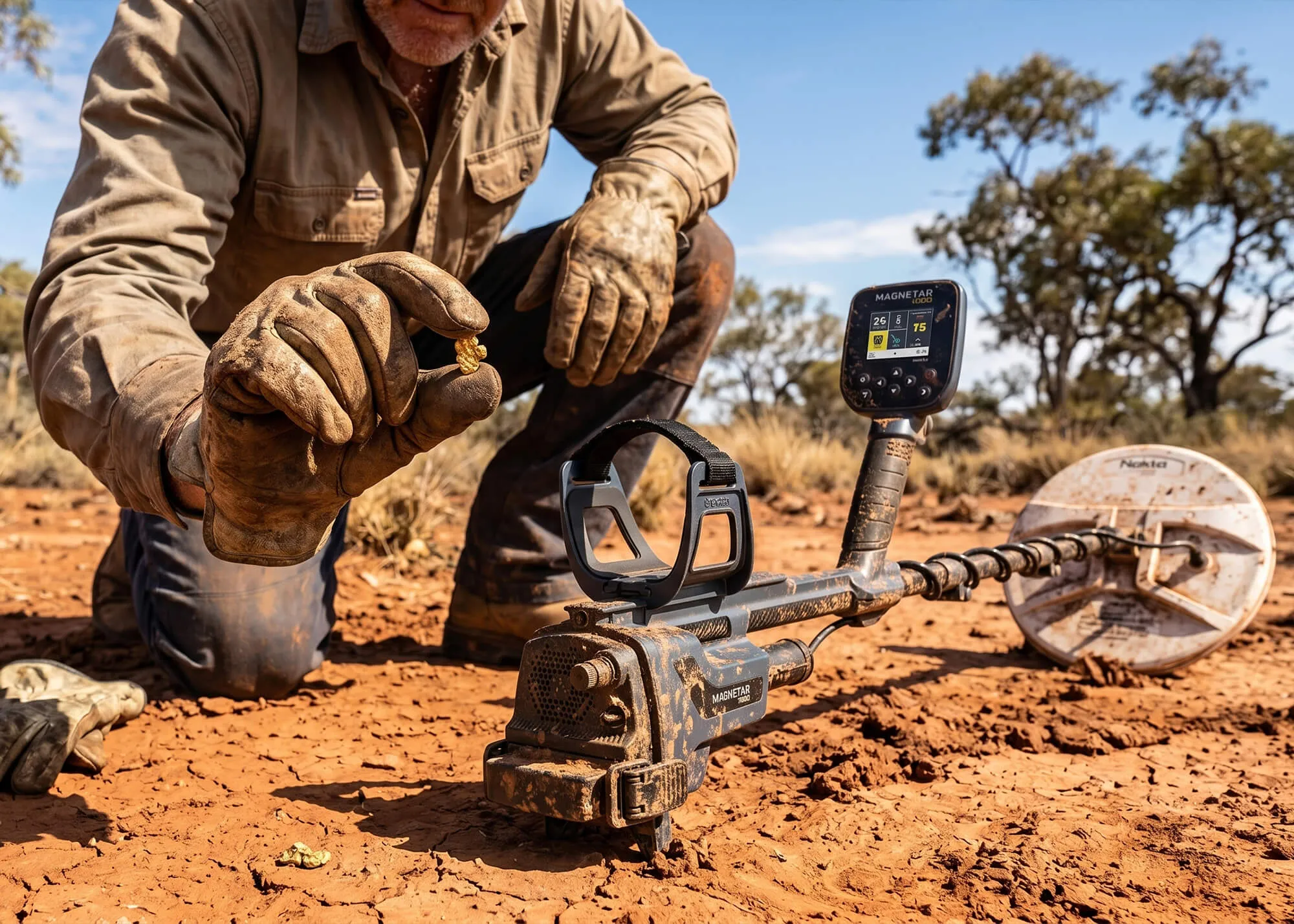

Finding natural gold is an exciting pursuit, but success depends on more than luck. The right equipment can make the difference between spending hours digging frustrating signals and confidently investigating promising targets. For anyone serious about prospecting, choosing the Best Gold Detector Machine means understanding how detection technology works, where you plan to search, and what features genuinely improve performance.
Whether you are an experienced prospector or preparing for your first gold-hunting adventure, the goal is the same: find a detector that can identify small gold targets while handling difficult ground conditions. With the right approach, your investment can become a valuable tool for exploring gold-bearing terrain more efficiently.
What Makes a Gold Detector Different?
Gold prospecting presents challenges that ordinary metal detecting does not. Natural gold can occur as tiny flakes, nuggets, or deeply buried pieces, often in mineralized soil that creates significant interference.
A dedicated gold detector is designed to deal with these conditions. Many models use technologies such as Very Low Frequency (VLF) or Pulse Induction (PI). VLF detectors can provide excellent sensitivity to smaller gold targets and are often popular with beginners. PI detectors, meanwhile, are particularly useful in highly mineralized environments because they can maintain performance where conventional detectors may struggle.
Therefore, the best choice depends heavily on your intended location and target size rather than simply selecting the most expensive machine.
VLF vs. Pulse Induction Technology
Understanding detector technology is one of the most important steps toward finding the Best Gold Detector Machine.
VLF Detectors
VLF technology is widely used because it can offer strong sensitivity to small targets. This makes it useful in areas where tiny gold nuggets are more common.
Modern VLF detectors may also provide adjustable ground balance, sensitivity controls, discrimination, and different operating modes. These features allow users to adapt the detector to changing soil conditions.
However, highly mineralized ground can produce considerable interference. As a result, VLF machines may require careful adjustment and more patience.
Pulse Induction Detectors
Pulse Induction technology works differently. Instead of continuously transmitting a conventional electromagnetic signal, PI detectors send pulses into the ground and analyze the returning response.
One major advantage is their ability to operate effectively in heavily mineralized soils. They can also provide impressive depth on suitable targets.
The trade-off is that PI detectors generally offer less traditional discrimination. Consequently, users may need to investigate more signals manually.
Key Features to Look For
Once you understand the technology, consider the features that will actually matter during a prospecting trip.
High Sensitivity
Natural gold can be extremely small. A detector with good sensitivity can improve your chances of detecting tiny pieces close to the search coil.
However, maximum sensitivity is not always best. Excessive sensitivity can increase noise and false signals in challenging soil. A detector that allows precise sensitivity adjustment gives you greater control.
Effective Ground Balance
Ground mineralization varies dramatically from one location to another. Ground balance helps the detector distinguish mineralized soil from potential metal targets.
Automatic ground balancing can make operation easier, while manual controls can give experienced users greater precision. Either way, effective ground handling is essential for serious prospecting.
Search Coil Options
The coil is another major consideration. Smaller coils can be advantageous when searching around rocks, vegetation, or other obstacles. They may also provide greater sensitivity to small targets in certain conditions.
Larger coils can cover more ground and potentially improve detection depth on suitable targets. Ideally, choose a detector with compatible coil options so you can adapt it to different environments.
Durability and Weather Resistance
Gold prospecting can take you far beyond convenient surroundings. Dust, mud, rain, rocks, and rough terrain can all put equipment under pressure.
A rugged detector designed for outdoor use is therefore a practical investment. Water-resistant components are especially useful when searching near streams, riverbeds, or damp ground.
Consider Where You Will Search
Location should influence your detector choice just as much as technology.
If you expect to search highly mineralized ground, a PI machine may be particularly attractive. On the other hand, a sensitive VLF detector can be a strong option for locations with less severe mineralization and abundant small gold.
Terrain matters too. A lightweight machine can be more comfortable during long searches, while waterproof components can be valuable around waterways.
Before purchasing, research the geology of your intended prospecting area. Understanding the type of soil and gold deposits found there can prevent you from buying equipment that is poorly suited to the environment.
Ease of Use Matters
Advanced features are useful only when you know how to use them.
A complicated detector with dozens of settings may deliver impressive performance in experienced hands, but beginners can become overwhelmed. Look for intuitive controls, readable displays, clear operating modes, and useful instructional materials.
As your experience develops, you can gradually learn how different settings affect depth, sensitivity, stability, and target response.
Price vs. Performance
The most expensive detector is not automatically the Best Gold Detector Machine for every prospector.
Instead, think about value. A beginner may benefit more from a reliable mid-range detector that is easy to operate than from an expensive professional system with features they do not yet understand.
Experienced prospectors may have different priorities, including maximum depth, advanced ground handling, interchangeable coils, or specialized operating modes.
Set a realistic budget, then compare machines according to performance, durability, accessories, warranty support, and suitability for your environment.
Search Technique Is Just as Important
Even excellent equipment cannot replace good technique. Sweep the coil slowly and consistently, keeping it close to the ground without repeatedly striking rocks.
Overlap each sweep slightly so that small targets are less likely to fall between passes. When you receive an interesting signal, approach it from different directions. A genuine target may produce a consistent response, while some ground effects can change noticeably with the sweep direction.
Most importantly, practice. Learning how your detector responds to different soil conditions and targets can dramatically improve your results.
Common Mistakes to Avoid
One frequent mistake is assuming that deeper detection automatically means better performance. Depth depends on target size, orientation, soil conditions, coil design, and detector technology.
Another mistake is ignoring ground balance. Even an advanced detector can perform poorly if it is incorrectly adjusted for mineralized soil.
Finally, avoid buying based solely on marketing claims. Look beyond advertised depth and examine real-world suitability, usability, available accessories, and support.
Final Thoughts
Choosing the Best Gold Detector Machine is ultimately about matching technology to your goals. VLF detectors can offer excellent sensitivity to small gold, while PI machines can provide important advantages in heavily mineralized environments. Features such as ground balance, sensitivity control, coil selection, durability, and ease of use can all influence your experience.
More importantly, successful prospecting combines capable equipment with patience, geological knowledge, and practiced technique. As detector technology continues to evolve, machines may become increasingly sensitive and intelligent, but the fundamentals of responsible exploration will remain important.
The real question, then, is not simply which detector costs the most or promises the greatest depth. It is which machine gives you the right combination of capability, reliability, and control for the ground beneath your feet. With careful research and realistic expectations, your next search could turn a promising signal into a discovery worth remembering.




















Sign in to leave a comment.