

Dry skin can make your daily skincare routine challenging. From tightness and rough patches to flakiness and a dull appearance, insufficient moisture can affect both the comfort and overall look of your skin. Changes in weather, hot showers, harsh cleansers, and environmental factors can further contribute to dryness. The good news is that choosing the right moisturizer can help restore hydration, support the skin barrier, and keep your skin feeling soft and smooth.
However, not every moisturizer works equally well for every skin type. Understanding your skin’s needs, identifying beneficial ingredients, and selecting the right formula are essential steps when looking for the best moisturizer for dry skin.
In this guide, we will explore how to choose a suitable moisturizer for daily hydration, which ingredients to look for, and how to use it effectively for healthier-looking skin.
1. Understand Your Skin’s Dryness
Before purchasing a moisturizer, it is important to understand why your skin feels dry. Dry skin generally lacks sufficient moisture and may also have reduced natural oils that help prevent water loss.
Common signs of dry skin include:
- A tight or uncomfortable feeling after washing your face.
- Rough texture, flaking, or visible dry patches.
- Dullness and a lack of natural-looking radiance.
- Increased sensitivity to certain skincare products.
- Fine lines that appear more noticeable when the skin is dehydrated.
Dry skin and dehydrated skin are not exactly the same. Dry skin is generally associated with a lack of oils, while dehydration refers to insufficient water in the skin. Some people experience both conditions simultaneously.
Identifying your primary concern can help you choose a moisturizer that provides the right balance of hydration and nourishment.
2. Look for Hydrating Ingredients
The ingredients in a moisturizer determine how effectively it helps your skin retain moisture. When choosing a moisturizer for dry skin, look for a combination of ingredients that attract water, soften the skin, and reduce moisture loss.
Hyaluronic Acid
Hyaluronic acid is a humectant that attracts and holds water, helping the skin feel hydrated and appear plumper. It is a useful ingredient for people experiencing dehydration, tightness, or a dull appearance.
Glycerin
Glycerin is another effective humectant that attracts water to the outer layers of the skin. It helps improve softness and supports everyday hydration, making it a valuable ingredient in daily moisturizers.
Ceramides
Ceramides are lipids naturally found in the skin barrier. Moisturizers containing ceramides help support the barrier and reduce moisture loss. They are particularly useful for dry skin that feels rough, tight, or easily irritated.
Shea Butter
Shea butter is an emollient that helps soften rough skin and improve its feel. It can be beneficial for people who prefer richer, more nourishing skincare products.
Squalane
Squalane helps soften the skin and reduce moisture loss without necessarily feeling as heavy as some traditional oils. It can be a useful option for people seeking comfortable, everyday hydration.
Petrolatum and Dimethicone
These ingredients help form a protective layer that reduces water loss. They can be especially helpful for very dry or flaky areas that need additional protection.
For the best results, look for a formula that combines complementary ingredients rather than relying on a single ingredient alone.
3. Choose the Right Moisturizer Texture
The ideal moisturizer depends on how dry your skin is, your environment, and your personal preferences.
Creams: Cream-based moisturizers are often a good choice for dry skin because they provide a richer blend of hydrating and softening ingredients. They work well for people who experience persistent tightness or roughness.
Lotions: Lotions have a lighter consistency and spread easily across the skin. They may suit mild dryness or people who prefer a less heavy feel during the day.
Ointments and barrier balms: These products are generally thicker and help reduce moisture loss. They can be useful for very dry patches, particularly during cold weather.
Gel-creams: These combine some of the lightweight feel of gels with the moisturizing properties of creams. Depending on the formula, they may suit people who want hydration without a greasy finish.
When choosing the best moisturizer for dry skin, prioritize how comfortably it hydrates your skin rather than selecting a product based on texture or marketing claims alone.
4. Consider Your Skin Sensitivity
Dry skin can sometimes be more sensitive because its protective barrier may be weakened. Choosing a gentle formula is therefore just as important as choosing a hydrating one.
If your skin is prone to irritation, consider a fragrance-free moisturizer and avoid products containing ingredients that have previously caused discomfort. Strong fragrances, harsh exfoliating ingredients, and certain essential oils may irritate sensitive skin.
Look for products labeled non-comedogenic if you are concerned about clogged pores, especially if your skin is both dry and acne-prone. However, remember that these labels do not guarantee that a product will suit everyone.
It is also wise to patch-test a new product on a small area of skin before incorporating it into your routine.
5. Select a Moisturizer According to the Season
Your skin’s hydration needs can change throughout the year.
During winter, cold temperatures, low humidity, and indoor heating can increase moisture loss. A richer cream containing ceramides, glycerin, or occlusive ingredients may provide additional comfort and protection.
During summer, heat and humidity may make heavier products feel uncomfortable. A lighter cream or lotion can be a practical alternative, provided it offers sufficient hydration.
Air conditioning can also contribute to a dry-feeling environment. If you spend long hours in air-conditioned spaces, applying a suitable moisturizer consistently can help maintain skin comfort.
Instead of using the same formula throughout the year without considering your skin’s needs, adjust your routine whenever your skin begins to feel unusually tight, rough, or uncomfortable.
6. Follow the Correct Moisturizing Routine
Even a high-quality moisturizer may not deliver the desired results if it is used inconsistently or incorrectly.
Follow these simple steps for better daily hydration:
Step 1: Cleanse gently. Use a mild cleanser that does not leave your skin feeling stripped or excessively tight. Avoid unnecessarily hot water.
Step 2: Apply moisturizer to slightly damp skin. After cleansing, gently pat your face with a towel, leaving the skin slightly damp. Applying moisturizer at this stage helps retain water.
Step 3: Use an appropriate amount. Apply enough product to cover your face and neck comfortably without excessive rubbing.
Step 4: Moisturize morning and evening. Most people with dry skin benefit from moisturizing at least twice daily, although your individual needs may vary.
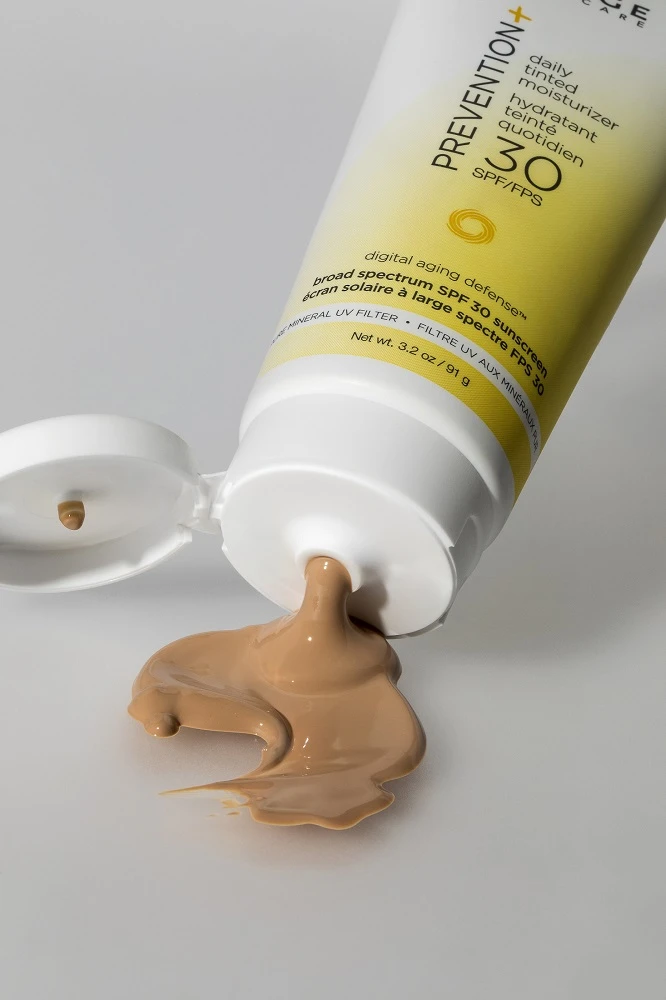
Step 5: Apply sunscreen in the morning. Use a broad-spectrum sunscreen with SPF 30 or higher as the final step of your morning skincare routine. Sun protection helps protect the skin from harmful ultraviolet radiation.
Consistency is essential. Regular use of a suitable moisturizer can help improve softness, reduce the appearance of flakiness, and support a healthier skin barrier over time.
7. Avoid Common Moisturizing Mistakes
Several everyday habits can make dry skin more difficult to manage.
One common mistake is using harsh cleansers that remove too much of the skin’s natural oils. Another is skipping moisturizer because the skin does not feel dry immediately after washing. Moisture loss can develop later, so consistent application is important.
Over-exfoliating can also worsen dryness and irritation. Avoid combining multiple strong exfoliating products without a clear reason, particularly if your skin is already sensitive.
Additionally, do not assume that expensive products are always better. A simple, well-formulated moisturizer with suitable ingredients may be more beneficial than a complicated product that irritates your skin.
Finally, give a new moisturizer time to demonstrate its benefits, provided it does not irritate. If you experience burning, persistent redness, itching, or worsening dryness, discontinue use and seek professional advice when necessary.
8. How to Make the Right Final Choice
When comparing different moisturizers, consider the following factors:
- Ingredients: Look for humectants, emollients, and barrier-supporting ingredients.
- Skin compatibility: Choose a formula that suits your dryness level and sensitivity.
- Texture: Select a cream, lotion, or ointment based on your comfort and daily routine.
- Climate: Consider whether your skin needs a richer formula during colder or drier conditions.
- Consistency: Choose a product you can comfortably use every day.
- Product claims: Focus on the ingredient list and your skin’s response rather than exaggerated promises.
A good moisturizer should leave your skin feeling comfortable, supple, and hydrated without causing unnecessary irritation.
Conclusion
Choosing the right moisturizer is an important step toward maintaining soft, comfortable, and healthy-looking skin. By understanding your skin’s needs, selecting beneficial ingredients, and following a consistent skincare routine, you can make daily hydration more effective.
The best moisturizer for dry skin is not necessarily the most expensive or the most heavily marketed product. It is the one that provides adequate hydration, supports your skin barrier, and works well with your skin type and lifestyle.
Whether you need a lightweight daily formula or a richer moisturizer for persistent dryness, prioritize gentle ingredients, regular application, and proper sun protection. With the right moisturizer for dry skin, you can help reduce tightness, improve skin texture, and maintain a smoother, more comfortable complexion throughout the year.















Sign in to leave a comment.