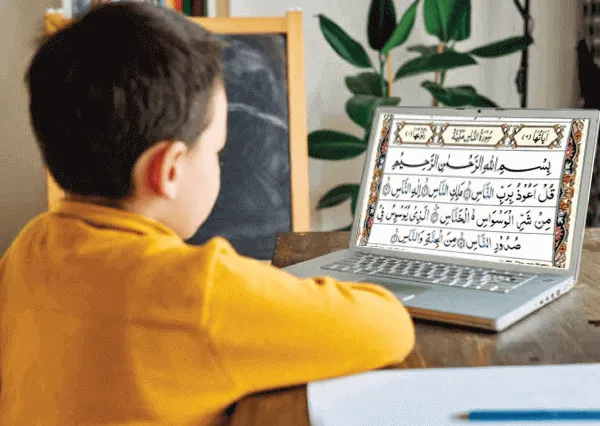

Memorizing the Quran is a meaningful goal, but it requires more than repeating verses every day. Students need correct recitation, regular revision, patience, and guidance from someone who understands the process of Hifz. The right Quran teacher can help a student build good habits, correct mistakes early, and stay consistent throughout the journey.
Whether you are choosing a teacher for your child or planning to memorize the Quran yourself, it is worth taking time to find someone who matches your learning needs. Here are the main things to consider before making your decision.
1. Check the Teacher’s Quran Knowledge and Qualifications
Start by checking the teacher’s own Quran memorization and recitation. A good Hifz teacher should have strong command of the Quran, sound Tajweed, and the ability to recognize errors in a student’s recitation.
Ask about their qualifications, memorization background, and experience teaching Hifz. If they hold an Ijazah, ask what recitation it covers and who granted it. An Ijazah can provide valuable evidence of formal assessment, although you should also consider the teacher’s practical teaching ability.
Remember that memorizing the Quran and teaching someone else to memorize it are related but different skills. You need a teacher who can explain mistakes clearly, listen carefully, and guide students through difficult passages.
2. Look for Experience in Quran Memorization
Teaching Quran reading is not exactly the same as teaching Quran memorization. A Hifz student needs help learning new verses, connecting them correctly, and retaining previously memorized portions.
Ask whether the teacher has experience working with students at your level. For example, a young child beginning Hifz may need shorter lessons, encouragement, and simple targets. An adult who already reads fluently may benefit from a more demanding plan with a stronger focus on revision.
An experienced teacher should understand that every student progresses differently. They should set realistic goals rather than pressuring everyone to memorize the same amount each day.
3. Make Sure the Teacher Has a Clear Hifz Plan
One of the most important questions to ask is: How will you organize my memorization?
A structured Hifz lesson should usually include three parts:
- New memorization (Sabaq): Learning a manageable portion of new verses with correct pronunciation.
- Recent revision (Sabqi): Reviewing recently memorized material to strengthen connections between verses.
- Previous revision (Manzil): Revisiting older portions so the student does not forget what they learned earlier.
The exact amount of each part will depend on the student’s age, ability, schedule, and current level. The teacher should adjust the plan when a student struggles instead of continuing to add new verses without checking retention.
A good plan also includes regular assessments so both the student and teacher can identify weak areas before moving forward.
4. Prioritize Tajweed and Correct Pronunciation
Memorization should not come at the expense of correct recitation. If a student repeatedly memorizes a verse with a pronunciation mistake, correcting it later may become difficult.
Choose a teacher who listens attentively and corrects errors in letter pronunciation, vowel sounds, elongation, and other relevant Tajweed rules. They should demonstrate the correct recitation and allow the student to repeat it until the mistake improves.
If the student is still learning basic Quran reading, they may need to strengthen their reading and Tajweed before taking on a heavy memorization schedule.
Do not judge a teacher only by how beautifully they recite. Notice whether they can identify a student's specific mistakes and explain how to correct them.
5. Choose Someone Patient and Encouraging
Hifz takes time, and students will not remember every verse perfectly on the first attempt. Some days will feel easier than others. A supportive teacher understands this and helps students work through difficulties without making them feel ashamed.
For children, patience is particularly important. Lessons should be engaging, expectations should suit their age, and mistakes should be corrected respectfully. Parents should also feel comfortable asking about progress and discussing any learning difficulties.
For adults, a teacher should respect work, family, and other responsibilities while helping them maintain a realistic routine. Encouragement and accountability can make it easier to continue when motivation decreases.
6. Consider Communication and Class Timing
If you are choosing an online Quran teacher, check whether the teacher communicates in a language you understand. Clear communication helps students understand corrections, ask questions, and discuss their progress.
Choose a schedule that you can maintain consistently. Shorter, regular lessons may be more useful than occasional long sessions that are difficult to fit into your routine.
Also consider whether you prefer a male or female teacher and whether the teacher has experience with your age group. These details can make lessons more comfortable and productive.
7. Try a Lesson Before Committing
A trial lesson gives you a practical way to evaluate a teacher. During the session, notice whether they listen carefully, correct mistakes, explain their method, and set a clear learning target.
Ask how they track progress, how often they test previous memorization, and what happens if a student repeatedly forgets a passage. Their answers should help you understand how they will support you beyond the first few classes.
For children, parents should observe the teaching style and make sure the student feels safe, respected, and comfortable asking questions.
Start Your Quran Memorization Journey with the Right Guidance
Choosing the best Quran teacher for memorization means looking beyond fees or a beautiful recitation. Focus on Quran knowledge, relevant Hifz experience, Tajweed, a structured revision system, patience, and a teaching style that suits the student.

Most importantly, choose someone who values correct memorization and long-term retention rather than rushing through the Quran. With consistent practice, regular revision, and appropriate guidance, students can make steady progress at a pace they can maintain.
If you are looking for online Quran learning support, visit our site, MY QURAN TUTOR, to explore our Quran learning options and find out more about learning with a tutor. Start with a clear goal, build a consistent routine, and take your Quran memorization journey one step at a time.




















Sign in to leave a comment.