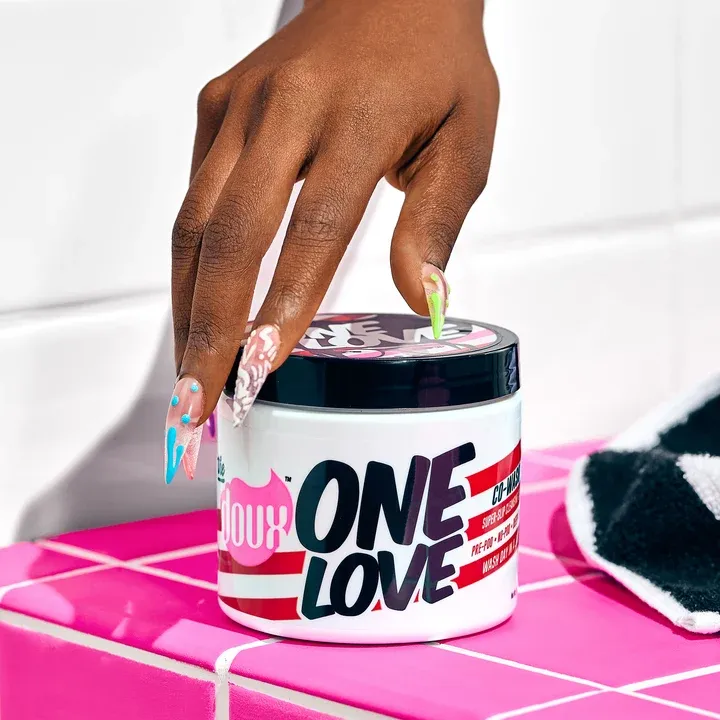

Finding the right shampoo can make a major difference in how curly and natural hair looks, feels, and behaves. Because curls and coils often need moisture while still requiring thorough cleansing, choosing a shampoo involves more than simply selecting a product that creates a rich lather. The ideal formula should remove buildup, refresh the scalp, and help the hair remain soft, manageable, and ready for styling.
Whether you have loose curls, tight coils, waves, or highly textured natural hair, understanding your hair’s needs can help you choose the best shampoo for curly hair. From everyday cleansing to occasional clarifying treatments, the right shampoo routine can support healthier-looking strands and more defined styles. 🧴

Why Choosing the Right Shampoo Matters
Curly and natural hair can be more prone to dryness because the natural oils produced by the scalp may not travel easily along the bends and curves of each strand. Frequent washing with a harsh cleanser may leave the hair feeling rough, tangled, or stripped of moisture.
At the same time, avoiding shampoo completely can allow sweat, styling products, oils, and environmental residue to collect on the scalp and hair. This buildup may make curls appear dull, weigh down the roots, and interfere with styling products.
A well-balanced shampoo helps maintain a clean scalp without leaving the hair feeling excessively dry. The goal is to create a clean foundation for conditioning, detangling, and styling.
What to Look for in a Shampoo for Natural Hair
When choosing a shampoo for natural hair, consider your hair texture, scalp condition, styling routine, and how often you cleanse. Different formulas may be better suited to different needs, but several qualities are useful for most curly and coily hair types.
Gentle Cleansing
A gentle cleanser can help remove dirt, sweat, and product residue without making the hair feel overly stripped. This is especially important for people who wash frequently or have naturally dry curls and coils.
Moisture Support
Look for a formula that leaves the hair feeling clean but not stiff or rough. Moisture-supporting shampoos can make the detangling and conditioning process easier, helping reduce unnecessary manipulation.
Scalp Refreshment
Healthy-looking hair begins with a clean and comfortable scalp. A suitable shampoo should help remove excess oil and buildup while supporting a fresh feeling between washes.
Easy Rinsing
A shampoo that rinses cleanly can help prevent residue from remaining on the scalp or strands. This is particularly useful if you regularly use gels, creams, foams, edge products, or protective styling products.
Understanding Sulfate Free Shampoo for Curly Hair
Many people with curls and coils choose sulfate free shampoo for curly hair because they want a cleansing experience that feels less harsh. Sulfate-free formulas are designed without certain traditional sulfate-based cleansing agents that can create a strong lather.
A sulfate-free shampoo may be a useful option for hair that feels dry, color-treated, chemically treated, or frequently styled. It can help cleanse the hair while supporting a softer feel. However, sulfate-free does not automatically mean that every formula will work for every person. The overall formulation, cleansing strength, and your hair’s individual needs also matter.
If your hair feels clean, comfortable, and manageable after washing, the shampoo may be a good fit. If your scalp still feels coated or your roots become heavy quickly, you may need a more thorough cleansing option occasionally.
When to Use a Clarifying Shampoo for Natural Hair
A clarifying shampoo for natural hair is designed to provide a deeper cleanse than a gentle everyday shampoo. It can help remove stubborn buildup caused by styling products, oils, hard water, sweat, and environmental residue.
Clarifying shampoo may be helpful when:
- Your hair feels coated even after washing.
- Curls no longer form or bounce as they normally do.
- Your roots look oily while the lengths feel weighed down.
- Styling products are not working as effectively.
- Your scalp feels congested or has noticeable residue.
- You regularly use gels, pomades, creams, waxes, or edge control products.
Clarifying shampoo should generally be used according to your hair’s needs rather than automatically at every wash. Overuse may leave some hair types feeling dry, especially if the strands are already fragile or moisture-depleted. After clarifying, follow with a moisturizing conditioner or deep conditioning treatment to help restore softness and manageability.
How Often Should You Shampoo Curly Hair?
There is no single schedule that works for every curly hair type. Your ideal wash frequency depends on your scalp, lifestyle, styling habits, and hair’s moisture needs.
Some people shampoo once a week, while others may cleanse more frequently if they exercise regularly, have an oily scalp, or use a large amount of styling product. Those who wear protective styles may follow a different cleansing routine based on the style and scalp condition.
Instead of following a strict calendar, pay attention to how your hair and scalp feel. A dry, tight scalp may suggest that your cleansing routine is too frequent or that the formula is too strong. Heavy roots, visible residue, or an uncomfortable scalp may indicate that your hair needs a more thorough cleanse.
How to Shampoo Curly and Natural Hair Correctly
Using the right technique can be just as important as selecting the right curly hair shampoo. Follow these steps for a more effective and gentle wash day.
1. Saturate the Hair Thoroughly
Before applying shampoo, soak the hair completely with lukewarm water. Fully saturated hair allows the cleanser to spread more evenly and reduces the need to use excessive product.
2. Focus on the Scalp
Apply shampoo primarily to the scalp and massage gently with your fingertips. Avoid scratching with your nails, as this may cause irritation. Allow the cleanser to move through the lengths as you rinse rather than aggressively rubbing the ends.
3. Cleanse in Sections
If you have thick, long, or tightly coiled hair, divide it into sections. Working in sections helps distribute the shampoo evenly and makes it easier to reach the scalp without creating unnecessary tangles.
4. Rinse Completely
Rinse until the water runs clear and the hair no longer feels coated with shampoo. Remaining product can contribute to buildup and may affect how conditioners and stylers perform.
5. Follow with Conditioner
After cleansing, apply conditioner to the lengths and ends. Use your fingers or a wide-tooth comb to gently detangle, beginning at the ends and working upward. This helps prepare the hair for styling while minimizing pulling and breakage.
Why Honey Shampoo Can Be a Useful Choice
Honey shampoo has become a popular option for people looking for a cleansing product that supports a softer, more moisturized hair feel. Honey is commonly associated with moisture-supporting and conditioning properties, making honey shampoo an appealing choice for curly and natural hair routines.
A honey shampoo may work well as part of a wash day focused on softness, manageability, and curl preparation. However, the performance of any product depends on its complete formula and how it interacts with your hair. It is important to choose a shampoo based on how your hair feels after use rather than relying only on one highlighted ingredient.
For many people, honey shampoo can be a helpful part of a balanced routine that includes cleansing, conditioning, detangling, and styling.

Common Shampoo Mistakes to Avoid
Even a quality shampoo may not perform well if it is used incorrectly. Avoid applying too much product, scrubbing the hair lengths aggressively, or using very hot water during wash day.
You should also avoid choosing a shampoo only because it produces a large amount of lather. Foam level does not always determine how effectively or gently a product cleanses. Similarly, using a clarifying shampoo too often may leave the hair feeling less moisturized than desired.
Another common mistake is skipping conditioner after shampooing. Cleansing removes residue, but conditioning helps improve softness, slip, and manageability. Both steps play an important role in a complete natural hair care routine.
Build a Balanced Wash Day Routine
A simple wash day routine can help your hair remain clean, soft, and ready for styling:
- Detangle gently before cleansing if needed.
- Wet the hair thoroughly with lukewarm water.
- Apply shampoo to the scalp and massage gently.
- Rinse completely.
- Repeat only if additional cleansing is necessary.
- Apply conditioner and detangle carefully.
- Rinse according to the conditioner’s instructions.
- Apply a leave-in product and styling product while the hair is damp.
- Allow the hair to dry fully before manipulating the style.
For best results, adjust the routine according to your hair’s texture, porosity, scalp needs, and preferred styling methods.
Conclusion
Choosing the best shampoo for curly hair starts with understanding the balance between cleansing and moisture. A suitable shampoo for natural hair should refresh the scalp, remove buildup, and leave the strands prepared for conditioning and styling. A sulfate free shampoo for curly hair may be suitable for gentle cleansing, while a clarifying shampoo for natural hair can help address stubborn product residue when used occasionally.
Whether you choose a gentle cleanser, a clarifying formula, or a honey shampoo, focus on how your hair and scalp respond. With the right product and technique, shampooing can become an effective part of a routine that supports soft, manageable, and beautifully defined curls and coils. ✨



























Sign in to leave a comment.