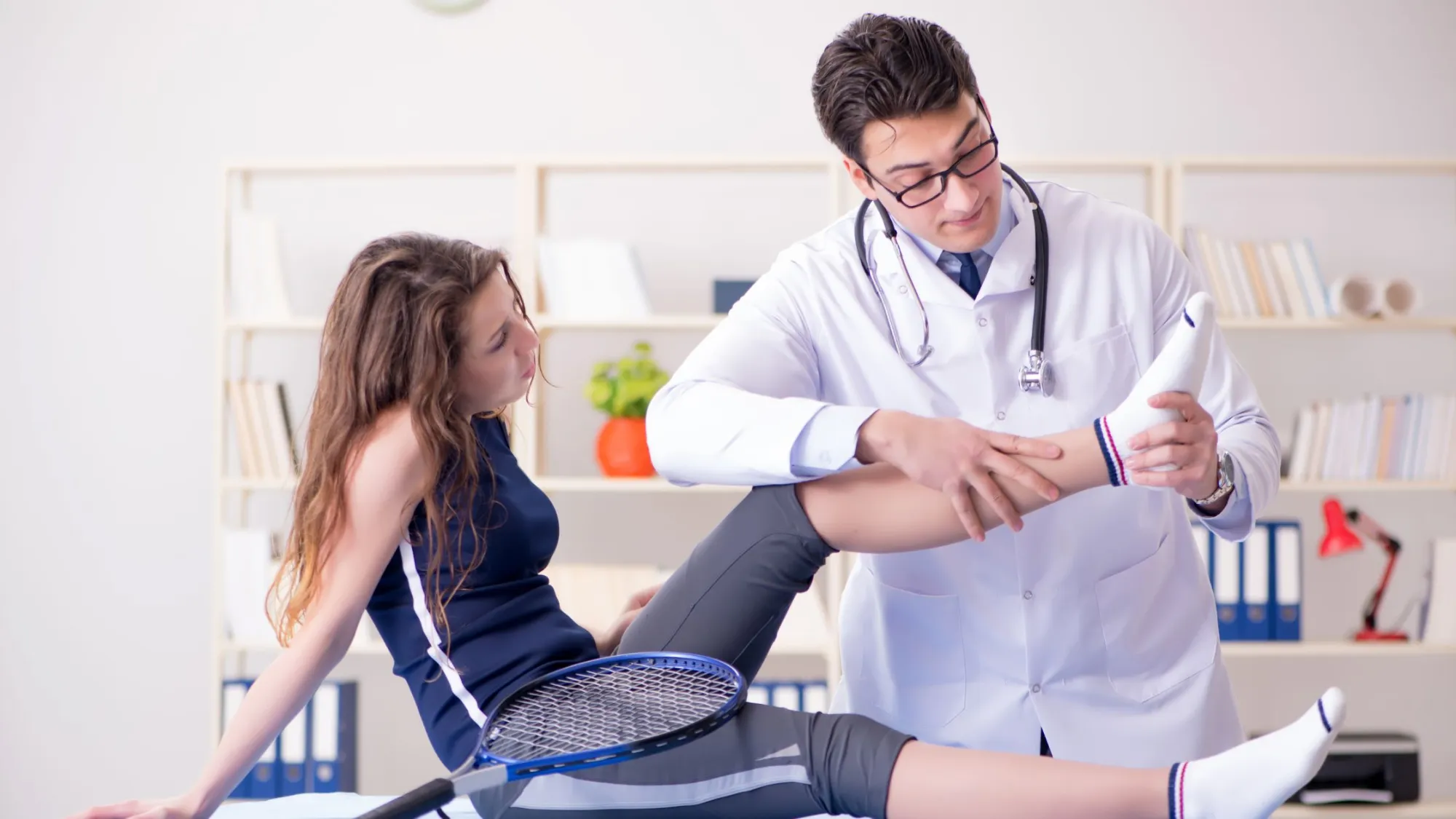

Section 1: Why Choosing the Right Doctor Matters
Your recovery depends on more than a diagnosis
An injury can interrupt training, competition, or even your daily routine. Whether you play cricket on weekends, run marathons, or compete at a professional level, the doctor you choose shapes how well and how fast you recover. A poor choice can lead to delayed healing, repeated injuries, or long-term joint problems.
Many beginners search online, pick the closest clinic, and book an appointment without further research. However, sports medicine differs from general orthopedics. Athletes place unusual stress on muscles, ligaments, tendons, and joints, so they need a specialist who understands both the injury and the sport.
Therefore, finding the right sports injury doctor in Ahmedabad should be a careful, informed decision. This checklist will guide you through each step.
Section 2: Understanding What a Sports Injury Doctor Does
Diagnosis, treatment, and long-term care
A sports injury doctor, often an orthopedic surgeon or sports medicine specialist, diagnoses and treats injuries related to physical activity. Common problems include ACL tears, meniscus damage, rotator cuff injuries, tennis elbow, shin splints, hamstring strains, and ankle sprains.
These specialists do much more than prescribe rest. They examine your movement patterns, order imaging tests such as X-rays or MRI scans, and design a treatment plan around your goals. Depending on the injury, treatment may include physiotherapy, medication, injections, bracing, or minimally invasive arthroscopic surgery.
Moreover, a good sports doctor focuses on prevention. They teach you how to strengthen weak areas, correct your technique, and avoid repeat injuries. As a result, you recover and also become more resilient.
Some sports injury doctors also treat advanced joint problems. For instance, if years of wear and tear or a serious injury damage your knee permanently, your doctor may discuss knee replacement in Ahmedabad as a long-term solution. Choosing a specialist who covers both sports injuries and joint replacement gives you continuity of care as your needs change.
Section 3: The Essential Qualifications to Check
Start with education, training, and experience
Credentials form the foundation of trust. Before you book an appointment, verify the following points.
Medical qualifications. Look for an orthopedic degree such as MS or DNB Orthopedics. Additional fellowship training in sports medicine, arthroscopy, or joint replacement adds valuable expertise.
Registration. Confirm that the doctor holds valid registration with the medical council.
Years of experience. Experience matters, especially with your specific injury. Ask how many similar cases the doctor treats each year.
Specialization. Some doctors focus on shoulder problems, while others specialize in knees or ankles. Choose someone whose strengths match your condition.
Continuing education. Sports medicine evolves quickly. Doctors who attend conferences, publish research, or train abroad often bring newer techniques to their patients.
In short, qualifications do not guarantee great care. Nevertheless, they give you a reliable starting point.
Section 4: Facilities, Technology, and Rehabilitation Support
Look beyond the consultation room
Accurate diagnosis and effective recovery require modern tools. Therefore, evaluate the clinic or hospital as carefully as you evaluate the doctor.
Diagnostic equipment. Check whether the facility offers digital X-rays, MRI, ultrasound, and motion analysis. Faster, clearer diagnosis leads to better treatment decisions.
Surgical technology. For patients who need surgery, ask about arthroscopy, minimally invasive techniques, and modern operating theaters. Advanced hospitals also provide robotic-assisted options for certain procedures, including knee replacement in Ahmedabad.
In-house physiotherapy. Rehabilitation determines how well you regain strength and movement. A clinic with experienced physiotherapists and structured programs keeps your recovery on track.
Sports rehabilitation programs. The best centers offer return-to-play training, so you rebuild confidence and performance, not just healing.
Hygiene and safety. Clean facilities, proper sterilization, and emergency support protect you from complications.
Consequently, a complete facility saves you time, because you can complete diagnosis, treatment, and rehabilitation under one roof.
Section 5: Communication, Comfort, and Personalized Care
Find a doctor who listens
Technical skill matters, but communication matters just as much. During your first visit, notice how the doctor interacts with you.
A good specialist listens carefully to your symptoms, training routine, and goals. They explain your diagnosis in simple language and outline all treatment options, including non-surgical ones. Additionally, they discuss risks, recovery time, and expected results honestly.
Watch for warning signs. Be cautious if a doctor rushes the consultation, recommends surgery without exploring alternatives, or promises instant results. Similarly, avoid clinics that pressure you to decide immediately.
Ask yourself these questions after the visit:
- Did the doctor understand my sport and my goals?
- Did they answer my questions patiently?
- Do I understand my diagnosis and treatment plan?
- Do I feel comfortable and respected?
If you answer yes to most of these questions, you have likely found a strong candidate.
Section 6: The Simple Checklist for Athletes
Use these steps to compare your options
Use this practical checklist when you compare doctors.
- Research online. Read patient reviews, watch educational videos, and review the doctor's profile.
- Verify credentials. Confirm degrees, registration, and specialized training.
- Check experience. Ask about similar cases and success rates.
- Inspect the facility. Look for modern diagnostics, rehabilitation, and surgical support.
- Ask for a treatment plan. Request a clear explanation of options, timelines, and costs.
- Discuss recovery. Learn how long you will need to rest, when you can train, and when you can return to your sport.
- Get a second opinion. For major decisions, especially surgery, consult another specialist.
- Review costs and insurance. Ask what the quote includes and whether your insurance covers the treatment.
- Confirm follow-up care. Ensure the clinic offers ongoing support after treatment.
- Trust your instincts. Choose the doctor who earns your confidence.
Follow these steps in order, and you will reduce the risk of a poor decision.
Section 7: Questions to Ask During Your First Appointment
Take control of the conversation
Preparation helps you use your consultation time well. Bring your medical records, previous scans, and a list of symptoms. Then ask questions such as these:
- What exactly caused my injury?
- Do I need surgery, or can I recover without it?
- How long will treatment and rehabilitation take?
- When can I return to training or competition?
- What complications can occur?
- How can I prevent the injury from happening again?
- What will the treatment cost in total?
Furthermore, if you have chronic knee pain from arthritis or an old injury, ask whether long-term options like knee replacement in Ahmedabad may help in the future. A responsible doctor will explain when surgery makes sense and when other treatments work better. They will never push surgery when simpler options can help.
Section 8: Final Thoughts
Make a confident, informed decision
Choosing the best sports injury doctor in Ahmedabad takes time, but the effort pays off. Start by checking qualifications and experience. Next, evaluate the facilities and rehabilitation support. Then, focus on communication and personalized care. Finally, use the checklist to compare your options and trust your judgment.
Remember that early treatment gives you the best chance of a quick and complete recovery. Do not ignore persistent pain, swelling, or instability, and do not return to play too soon. A qualified specialist will protect your body today and help you stay active for years to come.
If your condition ever progresses to advanced joint damage, a doctor experienced in both sports medicine and knee replacement in Ahmedabad can guide you through every stage with continuity and care.
Take the first step today. Research carefully, book a consultation, and choose the doctor who helps you get back to the game stronger than before.
























Sign in to leave a comment.