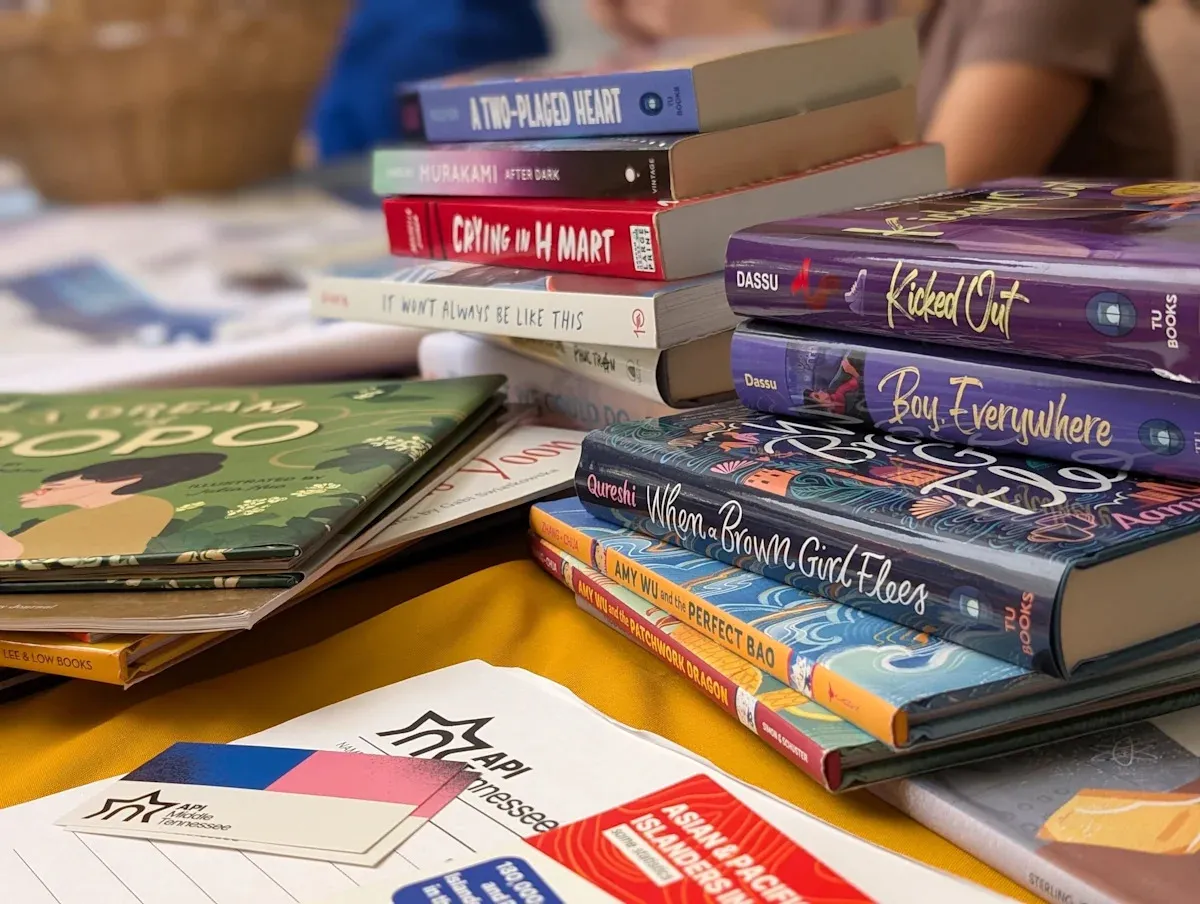

You finally finish your manuscript. Months of work, maybe years, and then... now what? Nobody really tells you what comes next. Suddenly you're staring at a list of options - traditional publishers, hybrid publishers, self-publishing platforms, and a handful of vanity presses that look legit but really aren't. It's a lot. And honestly, some of these companies aren't looking out for you at all, no matter what their website says.
If this is your first book, don't rush the decision of how to choose the right book publisher. It's not just paperwork. It decides how much money you actually see, how much say you get on your own cover, your own edits, and whether real readers ever get their hands on your book. This is basically the advice I'd give a friend in your shoes.
Why This Isn't a Decision to Rush
Here's a mistake a lot of first-time authors make: assuming any publisher is better than none. It's not true. Pick the wrong one and you might be stuck in a contract for years, watching most of your earnings disappear, with next to no marketing behind you. But find one who actually understands your genre? That can genuinely change whether your book gets read or just quietly disappears.
That's why so many writers spend weeks reading reviews, comparing contracts, before they sign a single thing. Get this part right early and you save yourself a lot of pain later.
First, Know What's Actually Out There
You really can't choose the right book publisher if you don't understand the categories first.
Traditional publishers buy your book's rights. They handle editing, design, printing, distribution, the works. In exchange, they take a big cut of the profits, and you're paid in royalties rather than upfront. Getting through the door usually means landing a literary agent first, which can take a while.
Hybrid publishers sit somewhere in between. You cover some of the production costs yourself, but you typically keep more creative control and a bigger royalty percentage than you'd get from a traditional deal.
Self-publishing means you do it yourself - hire your own editor, your own cover designer, whoever else you need - and you keep nearly all the profit. The downside? Marketing and distribution are entirely on your shoulders.
And then there are vanity presses. These charge big fees for something that's really just self-publishing wearing a fancier costume. Be careful here. Genuinely careful.
Once you know which of these actually matches what you want, the rest of the decision gets way simpler.
What To Actually Look At
Check what they've already published. Search their past titles - do they fit your genre? Do the covers look professional, or kind of thrown together? A few minutes reading author reviews online can save you months of regret.
Read the contract properly. Not a skim. Royalty percentages, who owns the rights, how long you're locked in, how you'd get out if things go wrong - all of it. If a publisher can't explain any part of this clearly, walk away. That's not a good sign.
Ask what's actually included and what isn't. Editing, proofreading, cover design - publishers vary a lot on what's bundled in versus what gets billed later as a surprise extra.
Find out where your book will actually be sold. Some publishers make big promises but only list you on one obscure online store. Ask about Amazon, real bookstores, libraries, international markets - get this in writing before you sign, not after.
And watch the upfront fees closely. A legitimate traditional publisher never charges you to submit or accept your manuscript. Hybrid and self-publishing routes can involve costs, sure, but they should be clear and itemized. Not vague numbers pulled out of nowhere.
Questions You Should Have Ready
Before you sign anything, walk in already knowing what to ask. Who owns the rights after publication? What percentage do you actually earn, and how often does payment come? Do you get input on the cover and final edits? Is there real marketing support, or just talk of one? And what happens if you want to walk away from the contract later?
How a publisher answers - clearly, or with a lot of dodging - tells you almost everything. More than any pitch, more than any glossy brochure. This is usually what separates the people who choose the right book publisher from the ones who end up trapped in a deal they regret.
Trust Your Instincts. Then Double-Check Them.
If a publisher is pushing you to sign fast, promising you'll be a bestseller, or avoiding straight answers about fees and rights - slow down. A publisher who genuinely cares about your work knows this is a huge decision for you. They won't pressure you.
Take your time. Look at more than one option. Read the contract twice, three times if you need to. Talk to other authors who've worked with them. That extra effort, more than anything else, is usually what makes the difference between a deal you're happy with and one you regret for years.
Final Thoughts
There's no single "best" publisher. Only the one that actually fits your book, your goals, and how much control you want to hold onto. Traditional, hybrid, self-published - whichever route you pick, the fundamentals don't change. Do your homework. Read everything closely. Ask direct questions before you commit to anything.
Your first book deserves that much effort, at the very least.



















Sign in to leave a comment.