

Choosing a can carrier applicator is an important decision for breweries and beverage manufacturers. The right equipment needs to fit the production volume, packaging format, available space, and day-to-day operating requirements.
A small brewery packaging a limited number of multipacks may have different needs from a manufacturer running a high-volume canning line.
That is why it helps to understand the available equipment options before making a decision.
What Is a Can Carrier Applicator?
A can carrier applicator is equipment used to apply carriers that hold beverage cans together in multipack configurations.
Depending on the system, the equipment may be operated manually or integrated into a more automated packaging process.
Can carrier applicators are used in beverage packaging operations that produce multipacks such as four-packs, six-packs, and other configurations.
When evaluating equipment, breweries should consider both the carrier itself and the process used to apply it.
1. Start With Your Production Volume
The first question is how many cans your operation needs to package.
A brewery with modest production requirements may prioritize simplicity, flexibility, and a smaller equipment footprint.
A larger operation may need equipment capable of supporting a faster production process.
Before comparing machines, estimate:
- Your typical number of cans packaged per hour.
- Your expected production volume over the next few years.
- The number of shifts you operate.
- How often you change packaging formats.
- Whether packaging is a bottleneck in your current process.
These details can help narrow down the type of equipment worth considering.
2. Understand Manual and Automated Applicators
Manual applicators
Manual applicators can be suitable for operations that need a straightforward way to apply carriers without investing in a fully automated system.
They may be worth considering for smaller production runs, pilot packaging projects, or businesses that prioritize flexibility.
However, the suitability of manual equipment depends on the amount of packaging required and the available labor.
Breweries should evaluate how the equipment fits into their workflow rather than assuming that a manual system will meet every production requirement.
Automated applicators
Automated applicators are designed to support a more mechanized packaging process.
They may be appropriate for operations with higher production requirements or packaging lines where consistent application speed is important.
When evaluating automated equipment, consider the required production rate, available floor space, integration requirements, and operator training.
The stated machine speed should also be reviewed in context. Actual production performance can depend on the complete packaging line and operating conditions.
3. Check Carrier and Can Compatibility
Equipment selection should begin with the packaging format.
Not every applicator supports every carrier configuration or can size.
Before purchasing equipment, confirm:
- Which carrier configurations the machine supports.
- Whether it accommodates standard, slim, or sleek cans.
- Whether change parts or additional components are required.
- How quickly the machine can be adjusted between formats.
- Whether the carrier supplier supports the intended application method.
This is particularly important for breweries that package several products using different can sizes.
4. Consider Your Available Space
Packaging equipment needs to fit into the brewery's existing layout.
Measure the available floor space and consider how operators, cans, carriers, and finished cases will move around the equipment.
For automated systems, review the complete installation requirements rather than looking only at the machine's main dimensions.
Also consider access for cleaning, maintenance, and routine adjustments.
A machine that fits physically may still create workflow problems if there is insufficient room for operators or materials.
5. Review Utility and Installation Requirements
Different machines may have different electrical, pneumatic, and installation requirements.
Before selecting an applicator, ask the supplier for the relevant technical documentation.
Review:
- Electrical supply requirements.
- Compressed-air requirements, if applicable.
- Machine dimensions and weight.
- Installation and commissioning requirements.
- Operator training requirements.
- Maintenance and service arrangements.
Confirm that the equipment is suitable for the facilities available at your brewery.
6. Look Beyond the Initial Equipment Price
The purchase price is only one part of equipment ownership.
A more complete evaluation should consider the costs associated with operating and maintaining the machine.
Depending on the equipment, these may include installation, training, utilities, replacement components, maintenance, and labor.
It is also worth considering whether the machine can accommodate anticipated changes in production volume or packaging formats.
A useful comparison should reflect the brewery's actual operating requirements rather than relying on the equipment price alone.
7. Ask About Support and Maintenance
Packaging equipment is part of the production process, so support arrangements matter.
Before making a purchase, ask:
- What training is available?
- What routine maintenance is required?
- Are replacement parts available?
- What technical support is provided?
- What should operators do if the machine stops working?
- Are installation or commissioning services available?
Clear answers can help your team understand what will be required to operate the equipment.
8. Compare Equipment Specifications Carefully
When reviewing applicators, compare the specifications that matter to your production process.
| Specification | Why it matters |
|---|---|
| Rated production speed | Helps determine whether the machine can support your target output. |
| Supported carrier formats | Confirms whether the machine can apply your intended packaging. |
| Can compatibility | Helps establish whether the equipment suits your beverage containers. |
| Dimensions | Determines whether the machine fits the available space. |
| Utility requirements | Helps confirm whether your facility can support the equipment. |
| Changeover requirements | Important for breweries running multiple packaging formats. |
| Training and support | Helps prepare operators and maintenance staff. |
Make sure specifications are compared on a consistent basis. For example, check whether production rates refer to individual cans, multipacks, or another measurement.
9. Consider Earthrings Applicator Options
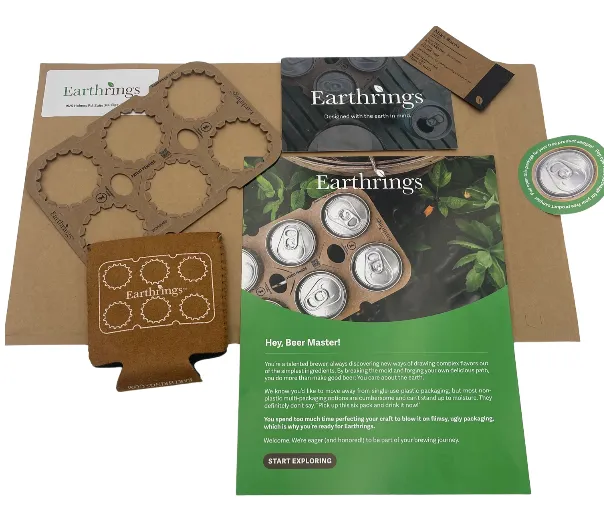
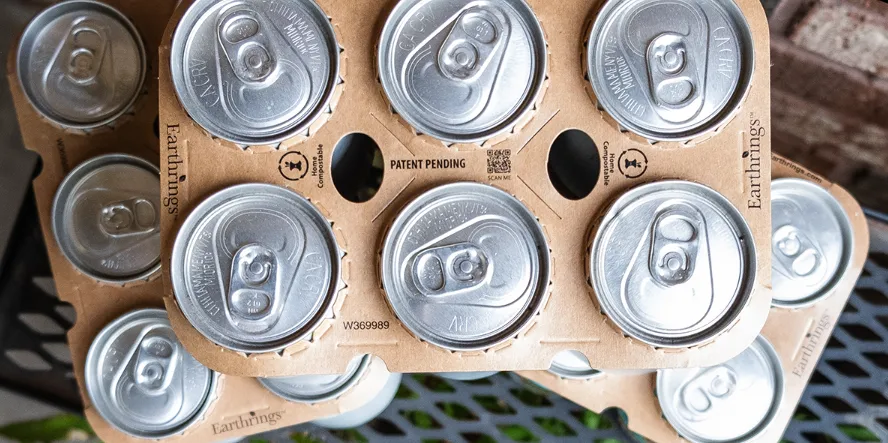
Earthrings offers can carrier applicators for businesses using its cardboard beverage carriers.
Its equipment range includes manual and automated options, allowing beverage manufacturers to investigate different approaches to carrier application.
The appropriate model depends on the brewery's production requirements, packaging configuration, and facility capabilities.
Before selecting a machine, review its current specifications and confirm compatibility with the carrier format you intend to use.
Final Thoughts
Choosing a can carrier applicator involves more than selecting a machine based on its advertised speed.
Production volume, carrier compatibility, can formats, facility requirements, operating costs, and technical support all play a role.
Breweries should compare equipment specifications against their actual packaging needs and confirm important details with the supplier.
If you are considering cardboard can carriers, reviewing the available applicator options alongside the carrier specifications can help you understand what a change might involve.
A good equipment decision starts with knowing what your packaging line needs today—and what it may need in the future.





























Sign in to leave a comment.