

Detroit is known for its manufacturing roots, but its economy has grown well beyond the assembly line. Healthcare systems, technology firms, and skilled trades now employ thousands of residents across Wayne, Oakland, and Macomb counties.
This variety is good news for job seekers. It also makes the decision harder. With so many options, choosing career training in Detroit takes careful thought.
This guide explains how to compare programs, ask the right questions, and match your training to a realistic career goal.
Start With a Clear Understanding of Your Goals
Before you compare schools, define what you want from your next career. Career training works best when it fits your strengths, your schedule, and your long-term plans.
Identify What You Enjoy Doing
Think about the tasks that hold your attention. Some people prefer hands-on work. Others like solving problems at a desk or helping people directly. Your answer narrows the field quickly.
Ask yourself these questions:
- Do I want to work with patients, tools, or technology?
- Am I comfortable in fast-paced settings?
- Do I prefer a team environment or independent work?
Set a Realistic Timeline
Programs vary in length. Some take a few months, while others take two years or more. Decide how long you can study before you need to start earning. A clear timeline keeps you from choosing a program that does not fit your life.
Research the Local Job Market
Opening lines matter here because the job market shapes the value of your training. Professional career training services should lead to roles that local employers actually need to fill in Detroit.
Look at Growing Industries
Healthcare is one of the largest employers in southeast Michigan. Hospitals, outpatient surgery centers, and specialty clinics all need trained staff. Advanced manufacturing, logistics, and information technology also offer steady openings.
Check Wages and Demand
Review wage data from reliable sources, such as the U.S. Bureau of Labor Statistics and the Michigan Department of Technology, Management and Budget. Compare entry-level pay with long-term earning potential. Look for roles with stable demand rather than short-term hiring surges.
Evaluate Program Quality
Not every program offers the same value. A careful review protects your time and money.
Confirm Accreditation
Accreditation shows that a school meets recognized education standards. It can also affect your eligibility for financial aid and professional certification. Always verify a school's status through the U.S. Department of Education or the relevant accrediting body.
Review the Curriculum
A good program combines classroom instruction with practical experience. Read the course list closely. Ask how many hours students spend in labs or clinical settings. Hands-on practice builds confidence and makes graduates more attractive to employers.
Ask About Outcomes
Request clear figures on graduation rates, certification pass rates, and job placement. Reputable schools share this information openly. If a school avoids these questions, consider that a warning sign.
Consider Healthcare Pathways Carefully
Healthcare offers many entry points, and each one has different requirements. Surgical care is one area that draws strong interest because of its steady demand and defined career ladder.
Understand the Surgical Team
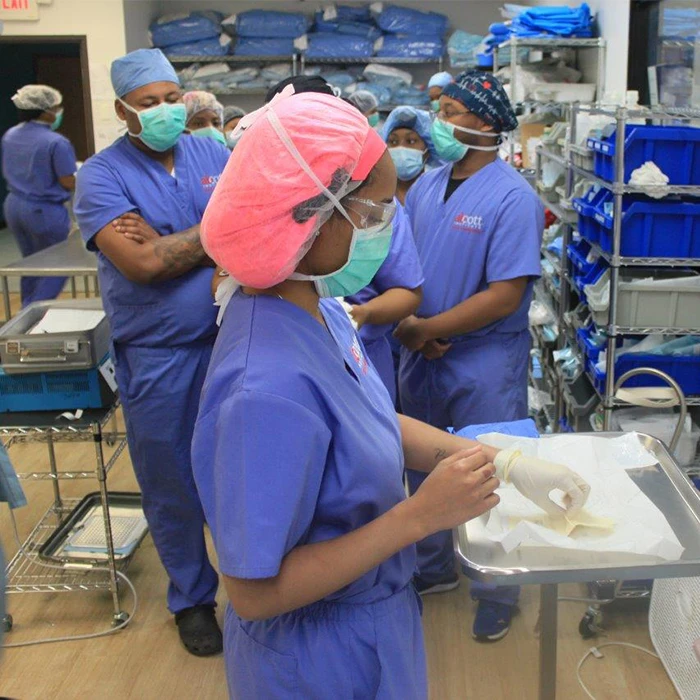
An operating room team includes surgeons, nurses, surgical technologists, and surgical assistants. Surgical technologists prepare the room and pass instruments. Surgical assistants work more directly with the surgeon during procedures, often controlling bleeding, handling tissue, and closing incisions.
Learn About Surgical Assistant Programs in Michigan
Students consider the length, entry requirements, and clinical hours of surgical assistant programs in Michigan. Some programs expect prior healthcare experience or a related degree. Others accept applicants who have completed specific prerequisite courses. Review these requirements early so you can plan your path.
Plan for Certification
Many employers prefer or require national certification. Check which credentials a program prepares you for. Also confirm whether the school helps arrange clinical placements, since these can be difficult to secure on your own.
Think About Starting Points
If you are new to healthcare, you may begin in a supporting role and move up over time. Many applicants from Michigan for surgical assistant programs have an earlier experience, such as work as a surgical technologist or nurse. A stepwise plan can make a demanding career feel more manageable.
Compare Costs and Financial Support
Training is an investment. Understanding the full cost helps you avoid surprises.
Look Beyond Tuition
Add up fees, books, uniforms, exam costs, and transportation. Ask for a written breakdown. Then compare it with the expected starting salary in your chosen field.
Explore Funding Options
Many students use a mix of support. Common sources include:
- Federal financial aid, which you can apply for through the FAFSA
- State and local workforce grants
- Employer tuition assistance
- Scholarships offered by schools and community groups
Michigan has workforce programs designed to help adults retrain for in-demand jobs. A school's financial aid office can explain what you may qualify for.
Weigh Schedule and Location
Convenience affects whether you finish a program. Detroit is a large metro area, and commute times can vary widely.
Choose a Format That Fits
Day, evening, and hybrid schedules are available at many schools. Working adults often benefit from flexible options. Consider how classes, clinical hours, and family duties will fit together.
Visit in Person
A campus visit tells you more than a brochure can. Tour the labs, meet instructors, and speak with current students. Pay attention to class sizes, equipment, and the support services offered.
Ask the Right Questions Before You Enroll
Prepare a short list before you speak with an admissions advisor. These questions will help you compare schools fairly:
- Is the program accredited, and by whom?
- What certifications will I be eligible to earn?
- How are clinical or work placements arranged?
- What percentage of graduates find jobs in their field?
- What total costs should I expect?
- What support is available for students who struggle?
Write down the answers and compare them side by side. This keeps your decision grounded in facts rather than first impressions.
Plan for Long-Term Career Growth
The right training is the first step, not the last. Careers change, and technology moves quickly.
Keep Learning
Many professionals add credentials over time. A surgical technologist might later pursue advanced training, while a tradesperson might add a supervisory certificate..
Build Your Network
Join professional associations, attend local job fairs, and stay in touch with instructors. Connections often lead to job openings that are never posted publicly.
Final Thoughts
Choosing a career path is a significant decision, but a clear process makes it easier. Start with your goals, study the local job market, and verify program quality. If healthcare appeals to you, compare surgical assistant programs offered by schools. Confirm the entry requirements, certification options, and clinical support. Count the full cost, and make sure the schedule fits your life.
Detroit continues to invest in its workforce, and the opportunities are real. With careful research, career training in Detroit can lead to stable work, steady growth, and a career you are proud of.



















Sign in to leave a comment.