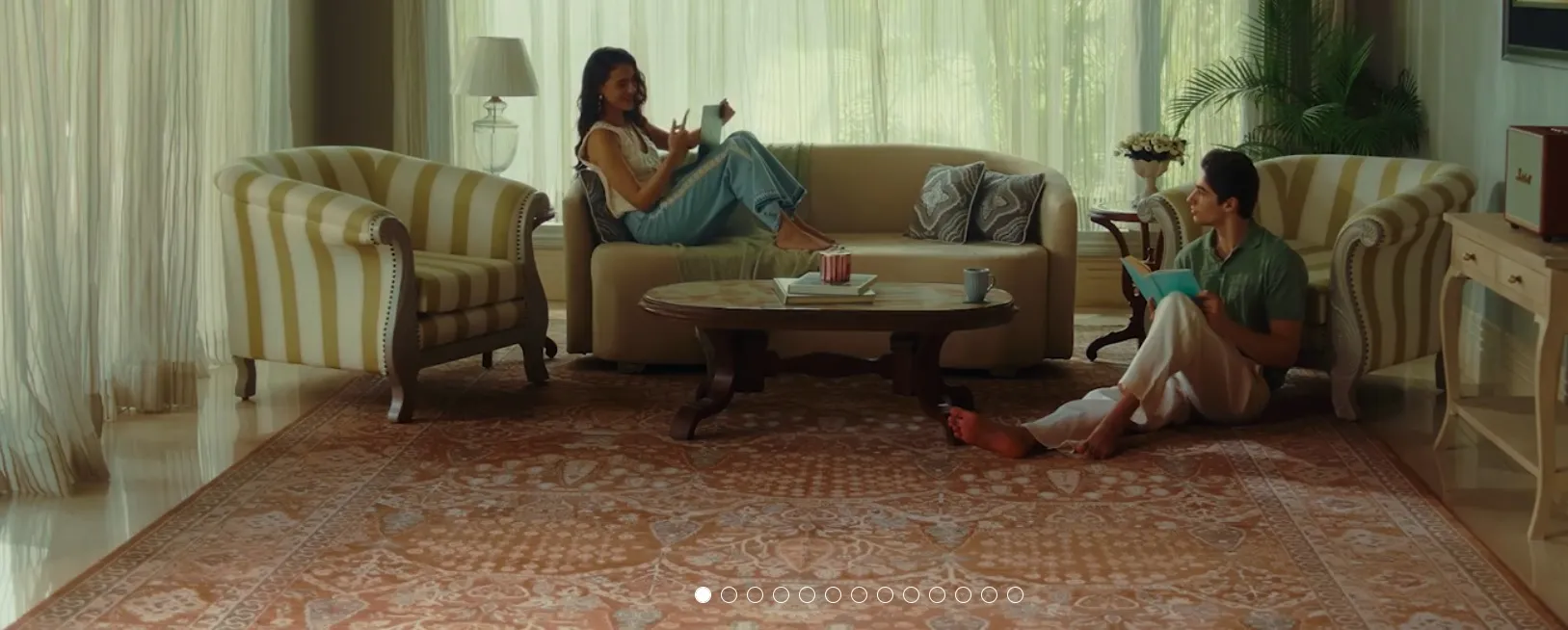

A living room often serves as the central space of a home. It is where people spend time with family, welcome guests, and relax after a busy day. Because of this, every design element has an important role in creating a comfortable and balanced atmosphere. Among these elements, the carpet can have a surprisingly strong influence on the overall appearance of the room.
Choosing the right carpet is not simply about finding an attractive pattern. Size, colour, texture, material, furniture placement and the overall style of the interior all need to work together. A well-selected carpet can connect these elements and make the room feel more complete.
Start With the Size of the Room
The first consideration should be the size and layout of the living room. A carpet that is too small can make furniture appear disconnected, while one that is too large may overwhelm the available space.
- Before selecting a carpet, measure the seating area and consider how the furniture is arranged.
- In many living rooms, placing the front legs of sofas and chairs on the carpet can visually connect the seating group.
- For larger rooms, a generously sized carpet can help define the main seating area. In smaller spaces, a more compact design can provide warmth without making the room feel crowded.
Consider the Existing Interior Style
The carpet should complement the design language already present in the room. A contemporary interior with simple furniture may benefit from a subtle geometric pattern, while a more traditional space may work well with detailed motifs and richer textures.
Colour is equally important. Neutral carpets can create a calm foundation, while deeper or more contrasting colours can introduce a stronger visual element.
The objective is not necessarily to match every item in the room. Instead, the carpet should create a relationship between major elements such as furniture, walls, flooring, curtains and decorative accessories.
Pay Attention to Colour
Colour can influence how spacious, warm or dramatic a living room feels.
- Light shades can make a room appear more open, while darker tones can create a warmer and more intimate atmosphere.
- When choosing carpets for living room spaces, consider the amount of natural light entering the room.
- A carpet that looks one way under showroom lighting may appear different in natural daylight or warm artificial lighting.
- It is also useful to consider the colours already present in sofas, walls and flooring.
- A carpet can either complement these tones or introduce a carefully selected contrast.
Explore Texture and Materials
Texture is another factor that can change the character of a living room. A carpet with a soft, detailed surface can add warmth, while a flatter construction can provide a cleaner contemporary appearance.
- Material selection also affects the feel and appearance of the carpet. Wool, silk and other fibres can offer different textures and visual qualities, depending on the construction and intended use.
- For premium interiors, handmade carpets can provide additional character because their production combines material selection, craftsmanship and detailed design.
Think About Furniture Placement
Furniture arrangement should be considered before finalising the carpet. The carpet should work with the proportions of sofas, chairs, coffee tables and other pieces.
A large carpet can create a unified seating zone, while a smaller rug can highlight a particular table or seating arrangement.
This is particularly important in open-plan homes. A carefully positioned carpet can visually define the living room without requiring walls or physical partitions.
Consider Custom Carpet Options
Not every living room has standard dimensions or a conventional layout. Some spaces may have unusual proportions, curved areas or specific design requirements.
- This is where working with a custom carpet manufacturer can provide greater flexibility. Custom carpets can be developed around specific dimensions, colours, patterns and design concepts.
- Instead of adjusting the room to fit a standard carpet, the flooring can be developed to suit the room itself. This can be particularly useful for large residences and interiors where the carpet is intended to become an important design feature.
Handmade Carpets Add Character
Handmade carpets can offer another approach for homeowners and designers seeking individuality. Their designs can incorporate detailed patterns, carefully developed colours and different textures.
A Luxury Carpet manufacturer can work with architects and designers to develop flooring that supports the wider concept of a premium interior. This may include selecting a particular construction technique, material or colour combination according to the project requirements.
The emphasis is on creating a carpet that works with the interior rather than simply placing a decorative product on the floor.
Think About Practical Requirements
Style should not be the only consideration. The living room is usually a frequently used area, so the carpet should also be appropriate for the expected level of activity.
Consider factors such as
- maintenance
- cleaning requirements
- furniture weight and
- the amount of foot traffic.
Homes with children or pets may require particularly practical materials and designs.
The right balance between appearance and everyday usability can help ensure that the carpet remains an attractive part of the interior over time.
Working With an Experienced Manufacturer
For highly customised interiors, discussing requirements with an experienced manufacturer at an early stage can make the design process easier.
Patodia Contract develops handmade and customised carpets for residential, hospitality and commercial interiors. Its capabilities include hand-knotted, hand-tufted and handloom carpets, along with in-house design and dyeing facilities. This allows project-specific requirements such as colours, patterns and dimensions to be considered during development.
For homeowners, architects and interior designers, this type of collaboration can provide greater flexibility when developing a carpet for a particular living space.
Creating a Balanced Living Room
A successful living room does not depend on one decorative element. The best results usually come from creating a relationship between furniture, lighting, colours, textures and flooring.
A carefully selected carpet can bring these elements together while adding comfort and personality to the space. Whether the preference is for a subtle contemporary design or a more detailed handmade carpet, the decision should begin with the proportions and requirements of the room.
By considering size, colour, texture, materials, furniture placement and practical needs, homeowners and designers can select carpets for living room interiors that are both visually appealing and suitable for everyday use.





















Sign in to leave a comment.