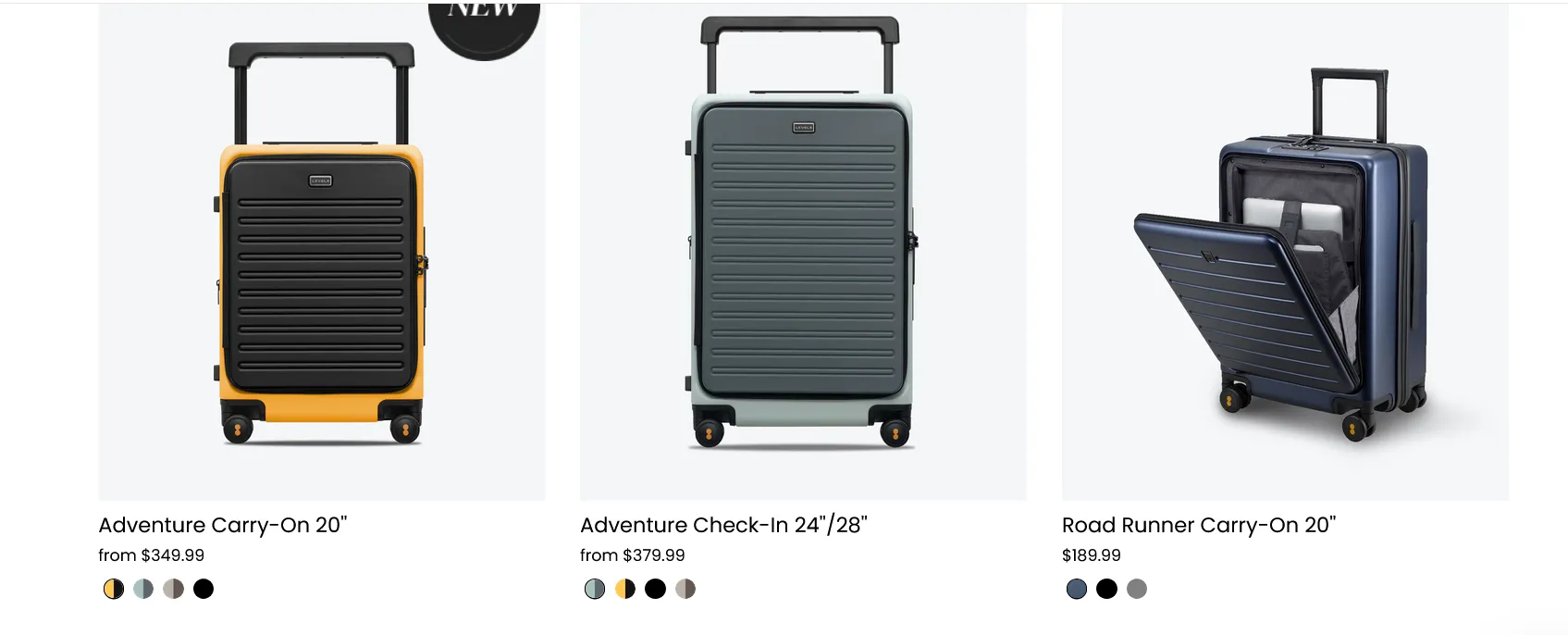

When I travel, I want my luggage to make the journey easier rather than give me another problem to deal with. A suitcase that is difficult to open, awkward to carry, or too large for the overhead compartment can quickly become frustrating. After trying different styles of luggage, I have found that the way a suitcase opens can make a surprising difference.
For travelers who like quick access to their belongings, top open carry on luggage can be an interesting option. Instead of opening the entire suitcase like a traditional clamshell case, top-opening designs provide access from the upper section. This simple change can make packing, unpacking, and finding smaller items much more convenient.
Why the Opening Style Matters
I used to think that choosing a suitcase was mainly about size, wheels, and appearance. Those features are certainly important, but the opening design deserves just as much attention.
Imagine arriving at an airport and realizing that your phone charger is buried underneath several layers of clothing. With a traditional suitcase, I may need to find a place to lay the entire case flat before opening it. That is not always practical in a crowded terminal.
A top-opening suitcase provides a different experience. I can often access the upper part of the case without completely spreading everything out. For short trips, business travel, and overnight stays, that convenience can be particularly useful.
Consider How You Usually Travel
Before choosing luggage, I find it helpful to think about my typical travel routine. Someone who takes long international vacations may have very different needs from someone who regularly travels for work.
For weekend trips, I usually want something compact and easy to manage. I do not want to carry more luggage than necessary. A well-organized carry-on can hold clothing, toiletries, electronics, and a few personal items without becoming unnecessarily bulky.
For business trips, accessibility becomes even more important. I may need to reach a laptop accessory, notebook, charger, or documents during the journey. Having a suitcase that allows convenient access can save time and keep my belongings more organized.
Frequent travelers should also consider how often the luggage will be handled. A suitcase used several times a month needs dependable wheels, a sturdy handle, durable materials, and a practical interior layout.
Think About Carry-On Size
One of the biggest mistakes I can make is choosing luggage based only on how much it appears to hold. Airlines have specific carry-on size and weight requirements, and these can vary between carriers.
Before buying a new suitcase, I check the current requirements for the airline I expect to use most often. I also consider whether the listed measurements include wheels and handles. A case that looks small enough in a photograph may exceed a carrier's limits once every external component is included.
For this reason, I prefer to measure the complete exterior dimensions rather than relying solely on the main body of the suitcase.
Look for Smart Interior Organization
Good organization can make a smaller suitcase feel much more useful. I like luggage with compartments that give different belongings their own places.
A separate area for shoes can help keep clothing clean. Zippered pockets are useful for cables, travel documents, and small accessories. Compression panels can also help reduce wasted space when packing clothing.
The goal is not simply to fit more items inside. It is to make those items easy to find later.
When I pack efficiently, I group similar belongings together. Clothing stays in one section, electronics in another, and small essentials go into accessible pockets. This approach becomes especially helpful when the suitcase has an opening design that provides quick access to specific areas.
Pay Attention to Wheels and Handles
Even a beautifully organized suitcase can become annoying if it is difficult to move.
I prefer luggage with smooth-rolling wheels because airports often involve long walks across terminals, uneven sidewalks, and frequent changes of direction. Spinner-style wheels can make it easier to move the suitcase beside me rather than constantly pulling it behind me.
The telescoping handle is another detail I do not overlook. It should extend smoothly and feel stable when I guide the suitcase. A loose or uncomfortable handle can become tiring during a long travel day.
These features may seem minor when shopping online, but they become much more noticeable once the suitcase is fully packed.
Choose Materials Based on Your Travel Habits
The material of a suitcase affects its weight, appearance, durability, and overall feel.
Hard-shell luggage can provide a structured exterior and may offer useful protection for belongings. Soft-sided luggage can provide flexibility and may have additional external pockets.
I do not think there is one material that works perfectly for every traveler. My choice depends on how I travel and what I normally carry. If I need extra protection for electronics or fragile items, I may prefer a structured case. If I value flexibility and quick access to exterior pockets, another design may suit me better.
The important thing is to consider practical use instead of choosing based entirely on appearance.
Make Security Part of the Decision
Security is another feature I consider when buying travel luggage. A dependable zipper system and an integrated lock can provide additional peace of mind, especially when I am moving through busy airports or staying in unfamiliar places.
A secure suitcase does not guarantee that belongings can never be lost or stolen, but sensible security features can make luggage more reassuring to use.
I also avoid placing passports, cash, or other critical documents in difficult-to-reach areas. Keeping essential items organized and accessible helps me manage travel days more confidently.
Do Not Ignore Weight
The suitcase itself contributes to the total weight I am carrying. A heavy case can reduce how much I am able to pack while staying within airline limits.
For this reason, I look for a balance between durability and weight. Lightweight luggage can be especially useful when flying with strict baggage allowances.
I also try to weigh my packed suitcase before leaving home. This small habit can prevent unpleasant surprises at the airport and gives me an opportunity to remove unnecessary items.
Why a Top-Opening Design Can Be Convenient
The main advantage I see in a top-opening suitcase is accessibility. I do not always need access to every item at once. Sometimes I only need one shirt, a charger, headphones, or a toiletry bag.
Instead of completely opening the case, I can reach into the relevant section and keep the rest of my belongings in place. This can be useful when traveling through airports, staying in compact hotel rooms, or sharing limited luggage space.
Brands such as LEVEL8 have helped make practical luggage design more noticeable to travelers who want convenience without giving up a modern appearance.
Make Your Choice Based on Real Travel Needs
The best luggage choice depends on how I actually travel. Before purchasing, I consider the trip length, airline restrictions, packing habits, transportation methods, and items I normally carry.
I also think about where I will use the suitcase. A traveler who frequently moves between hotels may value lightweight construction and smooth wheels. Someone who takes short business trips may prioritize organization and fast access.
Rather than choosing luggage simply because it looks attractive, I find it more useful to consider how it will perform during a real journey.
A well-designed carry-on should help me stay organized, move comfortably, and access important belongings without unnecessary effort. When the opening style, size, interior layout, wheels, handle, material, and security features all match my travel habits, the suitcase becomes more than something that holds clothes. It becomes a practical part of the journey.
























Sign in to leave a comment.