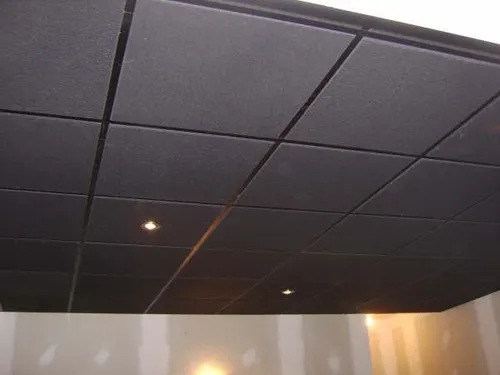

A ceiling does more than hide services above a room. It can influence acoustics, lighting, visual proportions, maintenance access, and the overall character of an interior. That is why selecting between acoustic ceiling panels, an aluminum ceiling, and a suspended ceiling should begin with the needs of the space rather than appearance alone.
Offices, classrooms, retail environments, healthcare areas, hospitality spaces, and residential interiors can have very different ceiling requirements. A system that works well in one environment may not be the best option for another.

Start With the Purpose of the Room
Before comparing ceiling materials, consider how the room will actually be used. A busy office may need better sound control, while a service area may place greater importance on easy cleaning and access to building systems.
Think about conversations, background noise, lighting, ventilation, maintenance, humidity, and the desired appearance. These factors provide a more useful basis for selection than simply choosing the most attractive sample.
Acoustic Performance Matters
Noise can affect comfort and concentration, particularly in open offices, meeting rooms, educational environments, and public spaces. Acoustic ceiling panels can help form part of an interior strategy designed to manage reflected sound.
The exact performance depends on the panel specification, room design, installation, and other surfaces within the space. For that reason, it is useful to discuss the acoustic objective with a supplier or professional before selecting a product.
Where Aluminum Ceilings Can Be Useful
An aluminum ceiling can provide a clean, contemporary appearance while offering a practical surface for certain commercial and interior applications. Its suitability depends on the particular product, finish, installation method, and environmental conditions.
Aluminum systems can also be considered where designers want a more structured ceiling pattern. Linear, modular, and other configurations can create different visual effects, allowing the ceiling to contribute to the architectural identity of the room.
Think About Maintenance From Day One
A ceiling may contain lights, ventilation equipment, wiring, pipes, and other services. If maintenance access is likely to be needed, the ceiling system should be planned accordingly.
A suspended ceiling can be particularly useful in interiors where access above the ceiling is an important consideration. Individual ceiling components may be removable depending on the system, allowing maintenance work to be planned without treating the entire ceiling as a permanent sealed surface.
A Simple Selection Checklist
Before making a decision, consider:
- How much noise control does the room require?
- Will maintenance teams need access above the ceiling?
- Is the space exposed to moisture or demanding cleaning conditions?
- What lighting arrangement is planned?
- Should the ceiling appear continuous, modular, or decorative?
- Are ventilation and electrical services located above it?
- What level of future flexibility is required?
These questions can quickly narrow down suitable systems.
Comparing Ceiling Systems by Function
Acoustic ceiling panels are often considered where sound absorption is a significant part of the brief. They can contribute to a more comfortable environment when used alongside appropriate room planning.
An aluminum ceiling may appeal to projects where a crisp architectural finish and practical surface are priorities. The visual pattern can also become part of the interior design rather than simply functioning as a background element.
A suspended ceiling, meanwhile, can be useful where services need to be concealed while retaining practical access above the finished ceiling. The system can also provide flexibility for lighting and other components, depending on the selected design.
Do Not Ignore Lighting
Ceiling selection and lighting design should be discussed together. Light fittings can change how a ceiling surface looks, while the ceiling grid, panels, or modules may influence where fixtures can be positioned.
For a clean interior, coordinate lighting, air diffusers, access panels, and other visible components before installation begins. This can prevent a finished ceiling from appearing crowded or poorly balanced.
Choosing a System for Different Environments
An office may prioritise speech comfort and access to services. A retail environment may place more emphasis on appearance, lighting, and maintenance. A classroom can require attention to both sound and visual comfort.
There is no single ceiling system that automatically suits every project. The better approach is to define the room's practical requirements first and then compare suitable specifications.
Why Choose Us
Super Terrazzo approaches ceiling projects with attention to the relationship between design and everyday function. Customers can discuss the intended use of their space, visual preferences, and practical requirements before settling on a suitable direction.
Clear communication is particularly useful for ceiling projects because several components often need to work together. Understanding the desired result can make product selection, layout discussions, and installation planning more straightforward.
About Us
Super Terrazzo supports customers exploring ceiling and interior finishing solutions for different types of spaces. The focus is on providing practical information so customers can assess materials according to their project's actual requirements.
From acoustic considerations to visual finishes and service access, a ceiling should be selected as part of the wider interior rather than in isolation. That project-focused approach can help create spaces that look considered while remaining practical to use.
A Better Way to Decide
The most suitable ceiling is the one that solves the right problems for the room. If sound control is important, investigate acoustic ceiling panels and their performance characteristics. If appearance and material properties are central, compare an aluminum ceiling with other suitable finishes.
Where access to services and future maintenance are priorities, a suspended ceiling may offer useful flexibility. Taking time to assess these factors before installation can lead to a more comfortable and better-planned interior.























Sign in to leave a comment.