


Choosing the right CNC cutting machine supplier is an important decision for any industrial fabrication business. The supplier you select can influence machine performance, production efficiency, installation, maintenance, and long-term operating costs.
With different cutting technologies, machine sizes, and configurations available, comparing suppliers can be challenging. Some businesses need equipment for heavy steel plates, while others focus on sheet metal, detailed profiles, or high-volume production. The right supplier should understand these requirements and help you identify equipment that suits your actual workload.
Before requesting a quotation, it is worth reviewing the machine specifications, supplier experience, spare parts availability, and after-sales support. This guide explains what industrial buyers should check before choosing a CNC cutting machine supplier.
Why Does Choosing the Right CNC Cutting Machine Supplier Matter?
A CNC cutting machine is a long-term investment. Its value depends not only on the initial purchase price but also on how well it performs in your production environment.
A suitable supplier can help you compare machine configurations, understand technical specifications, and plan for installation and maintenance. Clear information before the purchase can also reduce the risk of selecting equipment that does not meet your production requirements.
When evaluating suppliers, consider whether they can help you with:
- Selecting equipment for your materials and thickness range
- Understanding cutting capacity and expected performance
- Comparing suitable machine configurations
- Planning installation and operator training
- Identifying commonly required spare parts
- Understanding warranty terms and ongoing support
A supplier should provide clear answers rather than recommending a machine based only on its advertised speed or price.
1. Define Your Industrial Cutting Requirements
Before contacting a CNC cutting machine supplier, identify the type of work your business handles. This allows you to compare equipment on the basis of practical requirements instead of general specifications.
Start by documenting the materials you cut, their thicknesses, the dimensions of your workpieces, and your production volume.
For example, a workshop processing thick steel plates may prioritize cutting capacity, table size, and operating costs. A manufacturer producing detailed sheet-metal components may focus more on precision, edge quality, and material utilization.
Prepare answers to these questions:
- Which materials do you cut most frequently?
- What thickness range do you need to process?
- What is the largest workpiece you handle?
- How many parts do you produce per shift?
- What level of cutting accuracy is required?
- Do you expect production volume to increase?
These details help a supplier recommend equipment that fits your current operations and anticipated requirements.
2. Compare the Available Cutting Technologies
Different CNC cutting technologies serve different industrial applications. A supplier should explain which options are suitable for your materials, thicknesses, and required finish.
| Cutting technology | Common applications | Important factors |
|---|---|---|
| CNC plasma | Conductive metal plates and fabrication work | Cutting capacity, speed, and consumable costs |
| CNC fiber laser | Sheet metal and detailed profiles | Precision, thickness capability, and operating costs |
| CNC waterjet | Metals and selected non-metal materials | Material range, cutting time, and abrasive costs |
| CNC router | Wood, plastics, composites, and suitable sheet materials | Spindle capacity, tooling, and material compatibility |
The best technology depends on the job. Ask the supplier to explain the advantages and limitations of each suitable option for your specific application.
If you are comparing different machine configurations, the CNC cutting machine range from EGP Sales is a relevant starting point for reviewing equipment options.
3. Check Machine Capacity and Technical Specifications
Machine capacity should match the size and thickness of the material you process. Choosing a machine with insufficient capacity can limit the jobs you accept, while buying excessive capacity may increase costs unnecessarily.
Ask the supplier to confirm the following specifications in writing:
- Maximum cutting length and width
- Supported material thickness
- Table dimensions and loading arrangements
- Cutting accuracy and repeatability
- Machine footprint and installation requirements
- Power and other operating requirements
- Compatibility with your intended cutting process
Do not compare machines based on a single specification. A high maximum cutting speed, for example, does not automatically mean the machine will deliver the best results for every material or thickness.
Where possible, request a demonstration or sample cut using material similar to your regular production work. This helps you evaluate edge quality, dimensional accuracy, and overall suitability.
4. Evaluate the Supplier's Product Knowledge
A reliable supplier should understand the practical requirements of industrial cutting. This includes the relationship between material type, thickness, cutting technology, consumables, and production output.
During discussions, explain your main applications and ask the supplier to justify its recommendations. The answers should relate to your requirements rather than relying on broad claims.
Check whether the supplier can explain:
- Why a particular cutting technology is suitable
- Which machine configuration meets your capacity requirements
- What limitations you should consider
- Which consumables or replacement components are needed
- What maintenance the machine requires
Clear technical communication is especially important when you are investing in equipment for the first time or replacing an existing machine.
5. Compare the Total Cost of Ownership
The lowest quotation is not always the most economical option. Industrial buyers should compare the complete cost of purchasing and operating a CNC cutting machine.
Your budget may need to include:
- Machine purchase price
- Freight, installation, and commissioning
- Electrical and other site preparation work
- Consumables and replacement components
- Energy and operating expenses
- Software and operator training
- Preventive maintenance
- Downtime and material waste
Ask suppliers to identify what is included in their quotations and which expenses will be charged separately.
You should also compare expected production output and the amount of finishing work required after cutting. A machine that produces consistent parts with less waste may offer better value over time, even if its initial price is higher.
Use the same technical requirements when requesting multiple quotations so that you can make a fair comparison.
6. Check Spare Parts and Consumables Availability
Spare parts and consumables are important considerations when purchasing industrial cutting equipment. Some components need periodic replacement, while others may be required following wear, damage, or unexpected equipment problems.
Before choosing a supplier, ask which parts are routinely needed, whether they are readily available, and how replacement orders are handled.
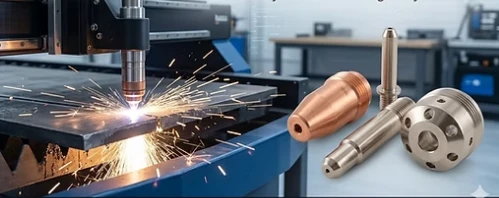
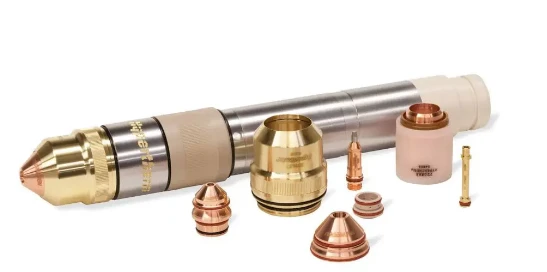
For plasma cutting systems, this may include checking the availability of compatible torch consumables and other specified components. The exact requirements depend on the cutting system and machine configuration.
Discuss these points before ordering:
- Commonly replaced components
- Part identification and compatibility
- Stock availability and expected delivery times
- Maintenance schedules
- Warranty and replacement terms
- Technical assistance with part selection
A clear spare-parts plan can help your maintenance team prepare for routine servicing and reduce avoidable interruptions.
7. Review Installation, Training, and After-Sales Support
A machine's performance depends on correct installation, suitable operating conditions, and proper use. Before placing an order, establish what support the supplier provides after delivery.
Ask whether the quotation includes installation, commissioning, operator training, and basic maintenance guidance. If these are separate services, confirm the costs and expected schedule.
It is also useful to understand how technical problems will be handled. Check the available support channels, response arrangements, warranty coverage, and documentation supplied with the machine.
Do not assume that every supplier offers the same level of support. Get important commitments confirmed in writing before finalizing the purchase.
8. Check Delivery Times and Order Terms
Delivery timing can affect production planning, especially if you are replacing an existing machine or setting up a new fabrication facility.
Before confirming the order, ask for an estimated delivery schedule and clarify whether the machine is available from stock or needs to be manufactured or configured.
Review the following details:
- Expected dispatch and delivery dates
- Payment terms
- Installation and commissioning schedule
- Warranty conditions
- Cancellation or order-change terms
- Responsibilities for transport and site readiness
Make sure the installation area, power supply, material-handling equipment, and other required facilities will be ready before the machine arrives.
9. Assess Whether the Supplier Can Support Future Needs
Your production requirements may change as your business grows. You might begin processing thicker materials, handle larger workpieces, or increase the number of jobs completed each day.
Ask whether the proposed machine can accommodate your realistic future requirements and whether upgrades or compatible accessories are available where applicable.
This does not mean you should automatically purchase the largest machine. Instead, balance expected growth against your budget, current workload, and available space.
A well-matched machine should support your production needs without adding unnecessary complexity or expense.
10. Use a Checklist Before Selecting a Supplier
Before making your final decision, compare suppliers using the same checklist.
- Does the proposed machine suit your materials and thickness range?
- Are the cutting capacity and accuracy clearly specified?
- Can the supplier explain the recommended configuration?
- Is the quotation detailed and easy to compare?
- Are installation and training requirements clear?
- Are spare parts and consumables available?
- Are warranty and after-sales support terms documented?
- Are delivery times realistic for your project?
- Have you reviewed a demonstration or sample cut where practical?
- Does the total cost fit your budget and production goals?
This approach helps you compare the complete offer rather than making a decision based on price alone.
Frequently Asked Questions
How do I choose a CNC cutting machine supplier?
Start by defining your material, thickness, accuracy, and production requirements. Then compare suitable equipment, technical knowledge, quotation details, spare parts availability, delivery times, and after-sales support.
What should a CNC cutting machine quotation include?
A quotation should clearly identify the machine model and configuration, technical specifications, price, delivery terms, installation arrangements, warranty conditions, and any additional costs.
Why should I check spare parts availability before buying?
Replacement components and consumables may be needed during routine maintenance or unexpected repairs. Checking availability and delivery times helps you plan maintenance and manage production interruptions.
Should I choose the supplier with the lowest price?
Not necessarily. Compare equipment suitability, installation, operating costs, warranty, spare parts, and support. A lower purchase price may not provide the best overall value if important requirements are excluded.
Can one CNC cutting machine handle every type of fabrication job?
No. Machine capabilities vary by cutting technology, material, thickness, workpiece size, and required finish. Select equipment based on your main applications and realistic future requirements.
Conclusion
Choosing the right CNC cutting machine supplier requires more than comparing quotations. Industrial buyers should evaluate cutting technology, machine capacity, product knowledge, total ownership costs, spare parts availability, delivery terms, and after-sales support.
Prepare your production requirements before contacting suppliers, request clear technical information, and compare offers on an equal basis. These steps can help you choose equipment that suits your fabrication work and supports reliable production over the long term.
For businesses evaluating industrial cutting equipment, EGP Sales provides a starting point for exploring its CNC cutting machine. Confirm the machine specifications and discuss your application requirements before placing an order.

















Sign in to leave a comment.