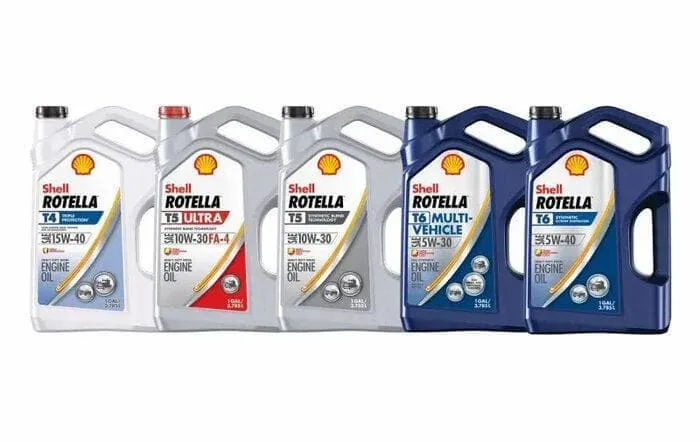

Choosing the right lubricant provider can influence equipment reliability, maintenance costs, productivity, and long term operational performance. Businesses that depend on machinery need products suited to demanding working conditions, while also requiring dependable availability and technical guidance. A commercial lubricant supplier should therefore be evaluated beyond product price, because quality, consistency, delivery support, and application knowledge can all affect how effectively equipment operates. Careful supplier selection also helps businesses establish dependable maintenance routines and reduce avoidable interruptions caused by unsuitable products, poor service, or inconsistent supply.
Understand the Business's Lubrication Requirements
Every business has different lubrication requirements based on machinery type, operating temperature, workload, environment, and maintenance schedules. Before selecting a supplier, a company should identify the equipment that requires lubrication and determine which applications are most critical. This assessment helps purchasing teams understand whether they need engine oils, hydraulic fluids, gear oils, greases, or other specialized products. Clear requirements also make supplier comparisons easier because businesses can judge each provider against practical operational needs instead of relying only on general claims.
Review Product Quality and Specifications
Product quality is one of the most important factors when comparing lubricant providers. Suitable lubricants should meet the specifications required by the machinery and application. Businesses should examine technical data, viscosity grades, performance classifications, and operating recommendations before placing an order. Reliable suppliers should be able to explain product specifications in straightforward terms and provide relevant documentation when requested. This level of transparency allows maintenance teams to select products confidently while reducing the possibility of using an unsuitable lubricant that could contribute to excessive wear or inefficient operation.
Consider Industry Knowledge and Technical Support
A knowledgeable supplier can provide value that extends beyond delivering containers of lubricant. Experienced providers understand common lubrication challenges and can help customers identify appropriate products for different applications. Technical support may include guidance on lubricant selection, storage practices, application methods, and replacement intervals. Such assistance can be particularly useful when a business operates several types of machinery. A supplier with strong technical understanding can help maintenance personnel make informed decisions and may contribute to more consistent lubrication practices across the facility.
Evaluate Supply Reliability and Product Availability
Consistent access to required lubricants is essential for businesses where equipment downtime can affect production schedules. A supplier should have dependable inventory practices and a delivery process capable of supporting the customer's normal consumption patterns. Companies should ask about standard lead times, order quantities, delivery coverage, and procedures for urgent requirements. It is also useful to determine whether the supplier can maintain availability as business needs grow. Reliable supply planning helps prevent maintenance delays caused by missing products and supports smoother scheduling of routine service activities.
Check Packaging, Storage, and Handling Practices
Lubricants can be affected by poor storage and handling conditions, making supplier practices an important consideration. Businesses should assess whether products are stored in suitable environments and protected from contamination, moisture, excessive heat, and unnecessary exposure. Packaging should also be appropriate for transportation and routine use. Clear labeling can help maintenance teams identify products and follow correct handling procedures. When suppliers demonstrate careful storage and distribution practices, customers gain greater confidence that the lubricant will reach the facility in suitable condition and remain usable throughout its intended service period.
Compare Pricing Without Focusing Only on Cost
Price naturally influences purchasing decisions, but the lowest quoted amount does not always represent the best overall value. Businesses should consider product performance, service quality, delivery reliability, technical assistance, and expected consumption when comparing costs. A lubricant that supports longer service intervals or better equipment performance may provide greater value over time than a cheaper alternative. Purchasing teams can also review pricing structures for recurring orders and larger quantities. A broader cost assessment helps companies avoid decisions based solely on an initial purchase price.
Examine Customer Service and Communication
Responsive customer service can make supplier relationships more efficient, especially when businesses need product information or assistance with an unexpected requirement. A dependable provider should communicate clearly about quotations, availability, delivery schedules, and product details. Questions should receive practical answers rather than vague assurances. Businesses can also assess how easily they can reach the supplier when an issue arises. Strong communication reduces misunderstandings and helps purchasing, maintenance, and operations teams coordinate their requirements more effectively. Over time, responsive service can become an important part of a reliable supply relationship.
Assess Ordering Convenience and Delivery Options
An efficient ordering process can save administrative time and reduce the likelihood of purchasing errors. Businesses should consider whether orders can be placed conveniently, whether product information is easy to verify, and whether delivery arrangements suit their operational schedules. Suppliers that maintain accurate records can also make repeat purchasing easier by helping customers identify commonly ordered products and quantities. Delivery flexibility may be valuable for facilities with changing production demands. A practical ordering system allows maintenance requirements to be handled promptly without creating unnecessary delays or paperwork.
Look for Consistency Across Regular Purchases
Consistency matters when lubricants are purchased repeatedly for the same machinery and applications. Businesses should seek suppliers that can provide dependable product quality and accurate order fulfillment over time. Changes in product specifications, packaging, or availability can create confusion for maintenance personnel, particularly in facilities with established service procedures. Regular communication can help identify potential changes before they affect operations. Maintaining clear purchasing records also allows businesses to track consumption, identify unusual usage patterns, and make better decisions about future lubricant requirements and inventory levels.
Build a Supplier Relationship for Long Term Value
Selecting a lubricant provider should be viewed as a long term business decision rather than a one time purchasing exercise. A strong supplier relationship can improve communication, simplify recurring orders, and provide access to useful technical knowledge as equipment or operating conditions change. Businesses should periodically review supplier performance using factors such as product quality, delivery reliability, service responsiveness, and overall value. Regular evaluation ensures that the relationship continues to support operational objectives. A supplier that consistently meets expectations can become a dependable part of the company's maintenance strategy.
Conclusion
Choosing a suitable lubricant provider requires careful consideration of product quality, technical knowledge, availability, storage practices, pricing, communication, and delivery performance. Businesses that evaluate these factors can make purchasing decisions that support equipment reliability and efficient maintenance. The right supplier should offer more than products by providing dependable service and practical assistance when needed. For organizations seeking a reliable partner for their lubrication requirements, Young's Lubricants can be considered as part of the supplier selection process, with its suitability assessed according to the business's specific operational needs.























Sign in to leave a comment.