

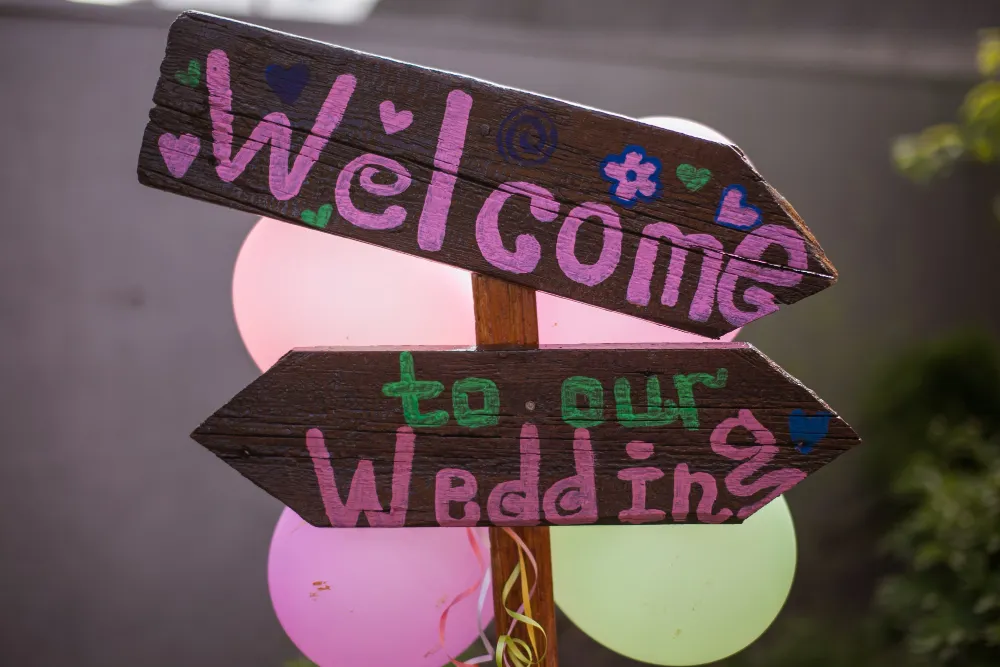
Why Event Signage Matters More Than You Think
Signs do a lot of work: guide people from the parking lot to the front desk, tell strangers the way to the room where the meeting is happening, remind sponsors that their logo is being seen, and a lot of things. The main point is that all this can happen without needing a staff member there to explain it.
Think about your last meeting or conference. Was there signage that helped you navigate where to go or what to do? On the other hand, was there no signage at all? Was this signage absence perceived as a challenge in finding where the registration desk was?
The real value of good event signage is that it removes friction. Attendees don't have to think about where to go. The signs already told them all. This matters more at large conferences when hundreds or thousands of people are moving in the same building at once.
Signage is also branding, whether you plan for it or not. A clean banner at the entrance. Matching decals near the stage. Consistent meeting signage in every hallway. All of it tells attendees they're at a well-run event. Sponsors notice this too. If you sell sponsorship packages, your signage is part of what you're selling them.
Main Types of Event Signs to Consider
Here are some types of signs; you must check these before choosing anything. It helps to know what is actually out there. Event signage is not one product, its whole category, and each type serves different jobs.
Meeting signs
These mark rooms, sessions, and areas. A room number sign. An agenda board. A simple sign outside a breakout room that says "Session A: Marketing Trends." Reusable signs are worth a look here, since sessions change constantly over a multi-day event.
Banners
Banners are the favorite choice for entrances and registration desks. They're light and give you a big surface for your logo. Outdoor banners are built stronger, made to handle wind and rain if your event steps outside at all.
Decals
Instead of using signs to direct traffic, you can use decals on the floor to guide traffic in a less cluttered manner. Decals also work great on elevator and lobby walls. Static clings are also great for temporary wall signs.
Displays and backdrops
Fabric backdrops that pop up and display stands are commonly used for trade show booths and photo backdrops. Backdrops are very popular because people love to take pictures. A photo backdrop essentially is free advertising because the picture is usually shared on social media.
Directional signs
Signs can be very helpful in guiding people in the right direction. For example, using signs that say “this way” or using directions like east, west, north, and south. Confusing signs are often remembered, and a good sign can relieve stress on people planning the event.
A single banner won't help someone find the right room. A hallway full of arrows won't do much for your brand on its own. Most events need a mix of both.
Choose Materials Based on How You Will Use the Signs
The right material depends on the purpose of the sign. You may not need the same type of material for a one-time event as you would choose for signage used throughout the year. So always think about these before choosing:
How long will the sign be used?
Short-term event signs can be different from signs designed for repeated use.
Will the sign be moved?
Lightweight materials can be useful when signs need to be transported between rooms or venues.
Will it be used outside?
Outdoor signs need to handle conditions such as sunlight, moisture, and wind.
Will the message change?
If room names, schedules, or session details change often, a reusable sign system can be practical. Some reusable sign products are designed so printed inserts can be changed instead of replacing the entire sign.
Does sustainability matter for the event?
Some signage materials are recyclable, reusable or made from paper-based materials. Take Meetings Signs for example, provides ECO signage made from FSC paper and describes the signage as recyclable, PVC-free, and also biodegradable.
Selecting the appropriate material for the intended use can avoid unnecessary cost and waste.
Matching Signage to the Size of Your Event
Event Signage for a large conference will look significantly different from signage for a small internal meeting. Plan accordingly based on your experience level. You don’t want to order signage before you fully understand the scope of your project.
Signage for smaller events (meetings) typically consists of a few tabletop signs and a banner. Event attendees will likely remain in the meeting rooms all day, so an in-depth wayfinding system isn’t necessary.
For larger conferences, plan for layers. You'll likely need entrance banners, registration signage, directional signs throughout the building, individual room signs, and possibly sponsor displays near the exhibit hall. It's easy to underestimate how much conference signage a big venue actually needs until you're standing in it with a map and a headache.
Multi-day events also benefit from reusable meeting signs rather than one-time printed signs. Simply because you'll be using them again for the next session, or the next conference altogether.
Avoid These Common Event Signage Mistakes
Even a well-planned event can run into Event signage problems. Some mistakes are simple to avoid.
Too much text
Guests often scan signs quickly, so long paragraphs are hard to read
Small lettering
Text that looks fine on a computer screen may be difficult to read across a room
Poor placement
A sign hidden behind a door, plant, display, or crowd will not do its job
Inconsistent designs
Using different fonts, colours, or wording styles across signs can make the event feel less organised
Too few directional signs
Guests may need guidance at several points, not just at the entrance
Choosing the wrong material
A sign designed for a short indoor event may not be suitable for repeated outdoor use
Last minute planning
Wait until the final day can leave little time to fix design or delivery problems
Simple Event Signage Checklist
Before finalising your order, walk through this checklist:
- Identify every major area guests will visit.
- Decide what information they need at each location.
- Select the right type of sign for each purpose.
- Check viewing distance and text size.
- Choose materials based on use and event duration.
- Keep branding consistent across event graphics.
- Plan for information that may change.
- Confirm sign placement with the venue.
- Order early enough to allow time for corrections.
- Review every sign before it goes into production.
Conclusion
A few honest questions make this decision easier. Where does the sign go? Who's reading it, and from how far? Will you use it more than once? Does Event signage actually match your brand?
Answer those first, and everything else falls into place. A single banner for a small meeting or a full setup of conference signage for a major trade show, it's the same goal either way: help people find their way, and make sure what they see looks like you.
Good event graphics won't be the flashiest part of your conference. But they're the part that makes everything else actually work.
FAQs About Event Signage
What is event signage?
Event signage is temporary signage used for events such as meetings, seminars, conferences and trade shows. Event signage can vary in size from small tabletop signs to large signs situated across an event entrance.
How early should I order signage for a conference?
Give yourself a minimum of a few weeks lead time for an event order, a little more for a large order, and a little more again for a first-time order with a particular vendor. All orders placed rushed and RUSHED will be charged accordingly and may contain numerous deductions.
Can event signage be reused for future conferences?
No. Event signs and banners are designed to be used multiple times. Some designs even allow the user to easily change the graphic insert, leaving the frame the same.
Do outdoor conferences need different signage?
Yes. Signs for outdoor events, like other event supplies, are subject to the elements of the outdoors. Signs for outdoor events should be rated for outdoor use.
How do I keep my event signage on-brand?
Event signage should use the same colors, fonts, and placement of logos as other event supplies, decals, banners and signs. Using different designs for a single event can create an unorganized appearance.
























Sign in to leave a comment.