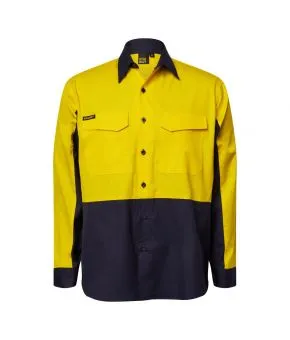
Choosing the right hi vis work shirt is about more than picking a bright-coloured shirt. The right garment should provide adequate visibility, suit the hazards of your workplace, keep you comfortable throughout the day and meet the safety requirements that apply to your role.
Whether you work in construction, road maintenance, warehousing, transport, utilities, mining or general industrial environments, your work shirt can play an important role in workplace safety. With different styles, fabrics, colours, sleeve lengths and visibility features available, understanding what to look for makes it easier to choose the right option.
What Is a Hi Vis Work Shirt?
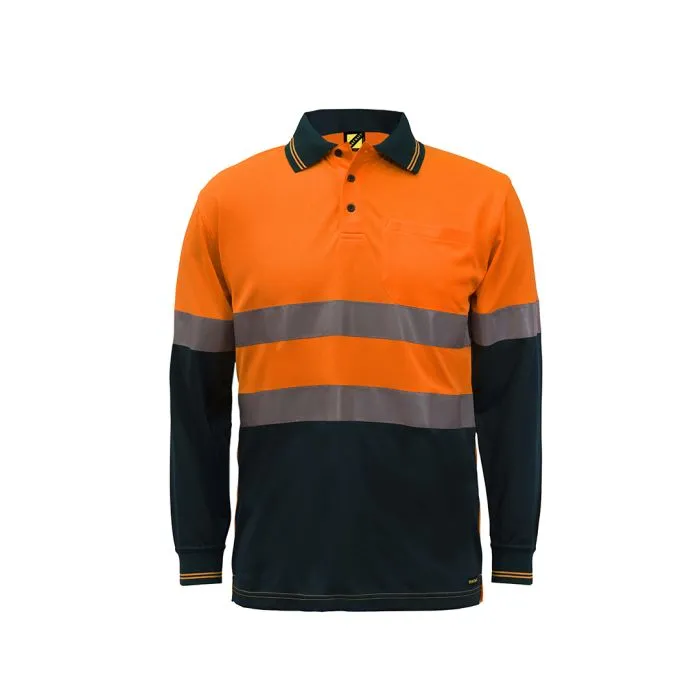
A hi vis work shirt is designed to make the wearer more noticeable against their surroundings. It typically combines fluorescent fabric with reflective or retroreflective tape to improve visibility during working conditions.
Fluorescent colours such as yellow or orange help workers stand out during daylight and lower-light conditions, while reflective tape can help improve visibility when illuminated by vehicle headlights or other light sources.
However, not every hi vis shirt is suitable for every workplace. The appropriate choice depends on your job, workplace hazards, environmental conditions and applicable Australian safety requirements.
1. Consider the Hazards of Your Job
The first question to ask is: What hazards do I face while working?
A construction worker working around mobile plant may have different requirements from a warehouse employee working indoors.
For example:
- Construction workers: Need high visibility around vehicles, machinery and other workers.
- Road workers: Often require enhanced visibility because of moving traffic and changing light conditions.
- Warehouse workers: May need visibility around forklifts and material-handling equipment.
- Transport workers: May require hi vis clothing when loading, unloading or working around vehicles.
- Utilities workers: May need durable shirts suitable for outdoor work and changing weather conditions.
- Industrial workers: May require additional protection depending on heat, chemicals, electrical risks or other workplace hazards.
Understanding the risks around you should guide your choice rather than simply selecting the cheapest or most visually appealing shirt.
2. Choose the Right Visibility Class and Design
Not all hi vis workwear provides the same level of visibility. The amount and arrangement of fluorescent material and reflective tape can vary between garments.
Look for workwear that is appropriate for the visibility requirements of your workplace and complies with the relevant Australian standards specified by your employer or safety requirements.
For workers who operate near roads, heavy machinery or moving vehicles, features such as 360-degree visibility, reflective tape and contrasting panels can be particularly useful.
A shirt should also remain highly visible when worn correctly. Avoid choosing a garment where visibility can easily be covered by equipment, harnesses or other workwear.
3. Select Short or Long Sleeves
The choice between short- and long-sleeve hi vis shirts depend on the job and working environment.
Short-sleeve hi vis shirts can be useful for:
- Warm-weather construction work
- Indoor warehouse environments
- General maintenance
- Jobs where maximum airflow is important
Long-sleeve hi vis shirts may be preferable for:
- Outdoor work
- Cooler conditions
- Jobs requiring greater arm coverage
- Workers exposed to sunlight for extended periods
Long sleeves can also provide additional coverage from environmental exposure, although they should not be considered a substitute for specialised protective clothing where specific hazards exist.
4. Think About Fabric and Breathability
A highly visible shirt is not very useful if workers find it uncomfortable and avoid wearing it correctly.
Fabric selection is therefore important, particularly for workers who spend long hours outdoors.
Look for features such as:
- Lightweight materials
- Breathable fabrics
- Moisture-wicking properties
- Mesh ventilation panels
- Quick-drying construction
- Durable fabric suitable for regular washing
For hot Australian conditions, breathable hi vis work shirts can help workers remain more comfortable throughout the day.
For physically demanding jobs, moisture management can be particularly valuable because excessive sweat can make heavy or poorly ventilated clothing uncomfortable.
5. Consider the Weather and Working Environment
Your work environment should influence the type of shirt you choose.
If you regularly work outdoors during summer, prioritise breathable fabrics and ventilation. If your work involves cooler mornings or changing weather, consider a long-sleeve shirt that can be layered underneath a hi vis jacket or other appropriate PPE.
For wet conditions, a standard hi vis shirt may not provide sufficient protection. Instead, it may need to be combined with suitable hi vis wet weather workwear.
The goal is to build a workwear system that provides visibility and appropriate protection without unnecessarily restricting movement.
6. Look at Reflective Tape Placement
Reflective tape is an important feature of many high-visibility garments. However, its placement matters.
Well-designed shirts may incorporate reflective tape around the torso and sleeves to help create a recognisable outline of the wearer.
This can be especially important when working around vehicles or machinery because drivers need to distinguish a person from the surrounding environment.
Consider whether the reflective elements remain visible when you are performing normal tasks. A shirt that provides good visibility while standing still should also remain effective when you are moving, bending or reaching.
7. Match the Shirt to Your Job's Physical Demands
Durability matters when work involves frequent movement, kneeling, climbing, lifting or contact with equipment.
Construction and industrial workers may benefit from shirts featuring:
- Reinforced stitching
- Durable fabrics
- Strong seams
- Comfortable stretch
- Functional pockets
- Easy-care materials
For less physically demanding indoor work, comfort and breathability may be more important than heavy-duty construction.
Choosing workwear based on how you actually work can improve both comfort and garment lifespan.
8. Check for Additional Protective Requirements
Visibility is only one aspect of workplace protection.
Depending on your job, you may also need protection from hazards such as heat, flame, chemicals, electrical risks or ultraviolet exposure. In these situations, a standard hi vis shirt may not be enough.
For example, workers exposed to flame or heat hazards may need specialised FR workwear that meets the relevant requirements for their environment.
Always check your employer's PPE requirements and the relevant Australian standards before purchasing workwear for a specific hazard.
9. Choose the Right Fit
A hi vis work shirt should provide a comfortable fit without being excessively loose or restrictive.
An overly tight shirt can restrict movement, while an excessively loose garment can interfere with equipment or create a workplace hazard.
Consider:
- Shoulder movement
- Sleeve length
- Torso length
- Collar comfort
- Room for layering
- Compatibility with other PPE
If you regularly wear a harness, tool belt, jacket or other equipment, make sure these items do not unnecessarily obscure the shirt's visibility features.
10. Think About Maintenance and Washing
Work shirts can become dirty quickly, particularly in construction, manufacturing and outdoor environments.
Before purchasing, check the manufacturer's care instructions. Regular washing should maintain the garment's appearance and performance when carried out according to those instructions.
Avoid assuming that reflective tape or fluorescent fabric will retain its original performance indefinitely. Workwear should be inspected regularly for fading, damage, loose stitching, worn reflective elements and other signs that replacement may be required.
Hi Vis Work Shirt Checklist
Before buying, ask yourself:
- What hazards will I encounter?
- Do I work around vehicles or mobile equipment?
- Do I need short or long sleeves?
- Will I be working indoors or outdoors?
- Is breathability important for my environment?
- Does the garment provide suitable reflective visibility?
- Does it meet the required workplace standards?
- Are additional protective features required?
- Will it fit comfortably with my other PPE?
- Is it durable enough for my daily work?
Choose Hi Vis Workwear for the Job, Not Just the Colour
The best hi vis work shirt is the one that matches your job role, workplace hazards, climate and required safety specifications. Visibility, fabric, reflective tape, fit, durability and comfort all deserve consideration before making a purchase.
For Australian workers, it is also important to follow your employer's PPE requirements and select garments that comply with the applicable standards for your workplace.
Whether you need hi vis shirts for construction, transport, warehousing, utilities or general industrial work, taking a job-specific approach can help you choose workwear that supports both visibility and everyday comfort.
























Sign in to leave a comment.