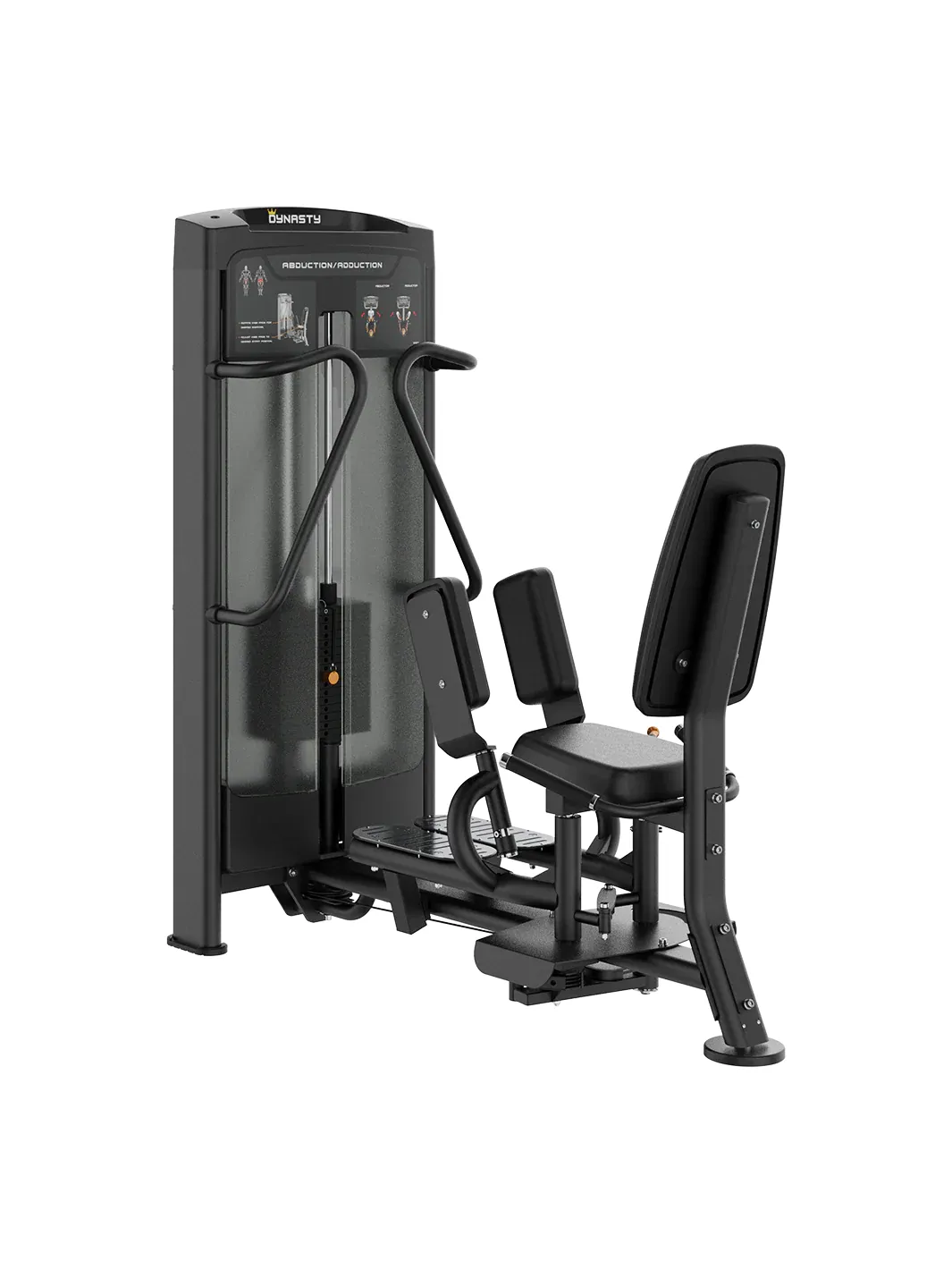

Gym owners and strength coaches know that leg day is only as good as the equipment behind it. A hip abductor machine is one of the most requested pieces on any commercial gym floor, yet many buyers still struggle to tell a well-built unit from a cheap import. This guide walks through what the machine does, why it matters for a gym's bottom line, and how to choose the right gym equipment supplier before you spend your budget.
What Is a Hip Abduction Machine and How Does It Work?
A hip abduction machine is a selectorized strength unit built to isolate the outer hip and glute muscles. The user sits with adjustable leg pads pressing against the outside of each thigh, then pushes the legs outward against resistance. Many modern units, including dual-function models, also allow the pads to be reversed for hip adduction, working the inner thigh muscles in the same seat.
This two-in-one design is common in newer selectorized lines. Instead of buying two separate machines, a gym can offer both abduction and adduction training on one frame, which saves floor space and equipment budget at the same time.
Why Do Gyms Need a Hip Abduction and Adduction Machine?
Hip abduction and adduction exercises are not just for bodybuilders. Physical therapists use similar movement patterns for hip stability work, athletes use them to reduce injury risk, and general members use them for glute and lower-body toning.
A few practical reasons gyms invest in this equipment:
- It offers a guided, low-risk way to train the outer hip muscles.
- It appeals to members focused on glute training.
- It supports rehab-style programming for hip and knee recovery.
- It fills a gap that squats and lunges do not fully cover.
Because demand is steady across member types, most commercial facilities keep at least one abductor/adductor station on the floor.
What Should You Check Before You Buy an Abductor/Adductor Machine From a Gym Equipment Supplier?
Not every machine on the market is built for daily commercial use. Before you commit to a purchase, run through this short checklist.
Frame material and gauge: Commercial-grade steel tubing should be thick enough to handle repeated heavy use without flexing. A frame built from lighter, home-gym-grade tubing will wear out fast under gym traffic.
Pad adjustability: Leg pads should adjust for different thigh widths and leg lengths so the machine works for a wide range of body types.
Weight stack range: Check that the stack covers both light rehab loads and heavier loads for advanced lifters.
Warranty and after-sale support.: A serious gym equipment supplier should stand behind frame welds, upholstery, and the weight stack with a clear warranty.
Manufacturer track record: Ask how long the brand has produced selectorized equipment and whether they support commercial gym rollouts, not just single-unit home orders.
If you want to buy hip abductor machine from a gym equipment supplier that checks these boxes, look closely at the build specs before comparing price tags. A lower upfront cost rarely holds up if the frame or pivot arm fails within a year.
How Does a Dual-Function Abductor/Adductor Machine Improve Workout Efficiency?
A combined abductor and adductor machine lets a facility train opposing muscle groups on one seat instead of two separate stations. This matters for three reasons.
First, it reduces the footprint needed on the training floor. Second, it cuts equipment cost since one machine replaces two single-function units. Third, it speeds up circuit training, since members can switch from abduction to adduction without moving to another station.
Some dual-function models also include side handles. During seated abduction, leaning forward while gripping the handles increases glute engagement. The same handles help members balance during standing abduction variations.
What Makes Commercial-Grade Construction Important for Gym Owners?
Home-use machines are not built for the volume a commercial gym puts them through. A unit used by dozens of members per day needs a frame, pivot arm, and pin-loaded stack rated for continuous use, not occasional workouts.
Look for tubing dimensions and moving-arm specs listed clearly by the manufacturer, not vague marketing language. A supplier that publishes exact steel dimensions and stack weight is usually more transparent about build quality than one that only shows lifestyle photos.
This is also where sourcing from a specialized commercial gym equipment supplier, rather than a general fitness retailer, tends to pay off. Commercial suppliers typically design equipment around gym traffic volume, service contracts, and bulk facility orders.
Where Can You Find a Reliable Gym Equipment Supplier for Strength Machines?
Sourcing strength equipment for a new or growing gym usually comes down to three paths: buying direct from a manufacturer, working with a regional distributor, or ordering through a showroom-based supplier that stocks multiple brands.
A regional or in-country supplier often has an advantage because of faster shipping, local warranty support, and the ability to see equipment in person before ordering. ETE Mexico, for example, operates as a commercial gym equipment supplier with a physical showroom and a catalog that includes selectorized machines such as the DRE8020 abductor/adductor unit, built with commercial-grade steel tubing and adjustable leg pads for abduction and adduction training. You can review the full specification on their abductor/adductor machine product page, or browse their complete strength and fitness equipment range on the ETE Mexico gym equipment supplier site.
Working with a supplier that carries a full equipment line also makes it easier to plan future purchases, since matching finishes across a gym floor is simpler when everything comes from one source.
How Do You Compare Different Hip Abduction Machines Before Purchasing?
When comparing options, put each machine side by side using the same short list of factors: frame gauge, pad range, stack weight, warranty length, and delivery timeline. Avoid comparing machines purely on price, since a cheaper unit with a thinner frame can cost more in repairs later.
It also helps to ask the supplier about lead times, spare parts availability, and installation support. A supplier that answers these questions clearly is usually more experienced with commercial rollouts.
What Are the Benefits of Adding a Hip Abduction Station to a Commercial Gym Floor?
Beyond member satisfaction, adding this equipment supports a few business goals directly. It gives personal trainers another tool for lower-body and glute-focused programs, it helps rehab-focused clients continue movement work safely, and it rounds out a strength circuit that might otherwise rely too heavily on free weights and cardio.
For gyms building out a new leg-training area, pairing a hip abduction unit with leg press, leg curl, and leg extension machines creates a complete lower-body circuit that appeals to a wide range of members.
Final Thoughts
Choosing the right equipment comes down to matching build quality with your gym's actual traffic and training goals. A dual-function unit from a supplier with commercial experience, clear specifications, and local support will usually serve a facility longer than a budget import bought purely on price. Before you finalize an order, compare frame specs, warranty terms, and delivery support side by side, and buy from a gym equipment supplier that can back the machine after the sale, not just at checkout.
FAQs
1. What muscles does a hip abductor machine target?
It primarily works the gluteus medius and minimus, along with supporting hip stabilizer muscles on the outside of the thigh.
2. Can one machine do both abduction and adduction?
Yes. Many selectorized models let you flip or reposition the leg pads to switch between outer-thigh abduction and inner-thigh adduction on the same seat.
3. Is a hip abduction machine suitable for beginners?
Yes, since the movement is guided and the resistance is adjustable, it is generally considered lower-risk than free-weight hip exercises for new gym members.
4. How much does a commercial-grade unit typically cost? Pricing varies by brand, frame quality, and stack weight, so it is best to request a quote directly from a gym equipment supplier based on your specifications.
5. What should I check before ordering from a supplier?
Confirm frame material, warranty terms, weight stack range, and after-sale service before placing a commercial order.
6. Do physical therapists use this type of machine?
Yes, similar movement patterns are used in rehab settings to rebuild hip stability and strength after injury, under professional guidance.
7. How much floor space does this equipment need?
Most selectorized units require a footprint similar to other seated strength machines, typically comparable to a leg extension or leg curl station.
8. What is the benefit of buying from a local supplier instead of importing directly?
A local or regional supplier often provides faster delivery, easier warranty claims, and the ability to inspect equipment before purchase.
9. How often should commercial gym equipment be serviced?
Routine checks on pins, cables, and pivot points are generally recommended every few months, depending on member traffic.
10. Where can I see specifications for a commercial abductor/adductor unit?
Reputable suppliers list frame dimensions, stack weight, and pad adjustability directly on the product page, such as the specification sheet available through ETE Mexico's catalog.


















Sign in to leave a comment.