Finding the right hockey academy near me can make learning the sport more organized, enjoyable, and productive. Whether you are a beginner, a parent looking for youth development, or an experienced player who wants to improve specific skills, the right training environment can help build better skating, puck control, shooting, passing, and game awareness.
However, choosing a hockey academy is about more than finding the closest rink. Training schedules, coaching experience, class size, player level, facilities, and the type of instruction offered can all affect the learning experience. Understanding these factors can make it easier to compare programs before registering.

What Is a Hockey Academy?
A hockey academy is a structured training environment where players can develop specific hockey skills through coaching and practice. Programs may focus on beginners, recreational players, competitive athletes, adults, youth players, or a combination of skill levels.
Training can include:
- Skating and edge control
- Puck handling
- Passing and receiving
- Shooting and scoring
- Stickhandling
- Speed and agility
- Hockey positioning
- Game awareness
- Individual skills
- Team-based tactics
Some programs provide on-ice instruction, while others combine ice sessions with dryland training, video analysis, or specialized equipment.
For beginners, structured instruction can provide a clearer starting point than trying to learn every skill independently.
What Should You Look for in a Hockey Academy?
When searching for a hockey academy near me, start by identifying what you actually want to improve. A beginner may need basic skating and puck-control instruction, while an experienced player may want specialized shooting, speed, or edge-work training.
1. Coaching Experience
Coaching quality is an important consideration. Look for information about the instructors' hockey backgrounds, coaching certifications, and experience working with the age and ability level of the players.
A coach who regularly works with beginners may use a different teaching approach from someone who specializes in advanced competitive players.
2. Appropriate Skill Levels
A good program should clearly explain who it is designed for.
For example, some introductory programs require players to have basic skating ability before joining. Hockey Edmonton's current Learn to Play program, for example, requires participants to be able to glide and stride independently and focuses on technical skills such as puck handling, shooting, and passing.
Always check the entry requirements before registering.
3. Class or Group Size
Player-to-coach ratios can affect how much individual feedback a participant receives. Smaller groups may allow coaches to observe skating mechanics, shooting technique, or puck control more closely.
Ask:
- How many players are in each session?
- How many coaches are present?
- Does every player receive individual feedback?
- Are groups divided according to skill level?
These questions can help you understand how instruction is delivered.
Types of Hockey Training to Consider
Not every academy provides the same type of development. Understanding the differences can help you select training that matches your goals.
| Training Type | Main Focus | Suitable For |
|---|---|---|
| Beginner hockey | Basic skating and hockey skills | New players |
| Skating development | Balance, edges, stride and speed | Players of most levels |
| Shooting training | Shooting mechanics and accuracy | Players wanting scoring practice |
| Stickhandling | Puck control and hand skills | Recreational and competitive players |
| Private training | Individual corrections and focused practice | Players with specific goals |
| Team training | Tactics, passing and team skills | Organized teams |
| Dryland training | Strength, conditioning and movement | Players seeking physical development |
The best option depends on the player's current abilities and objectives rather than simply choosing the most advanced program.
Why Skating Skills Matter

Skating is one of the foundations of hockey. Players need to accelerate, stop, change direction, maintain balance, and move efficiently while controlling a puck.
Important skating elements include:
- Knee bend
- Balance
- Edge control
- Stride length
- Stride recovery
- Acceleration
- Forward and backward skating
- Quick transitions
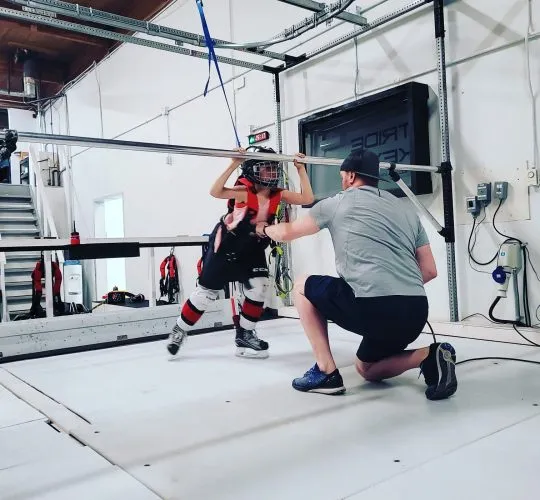
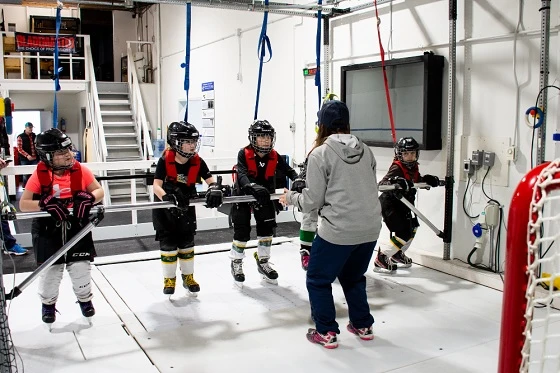
Specialized training can sometimes provide additional opportunities to work on these movements. For example, skating treadmill training can be used to focus on balance, edge work, leg strength, stride length, and skating posture.
For beginners, however, basic skating ability should generally come before advanced speed training.
Professional Hockey Learning Edmonton: What Does It Include?
People searching for Professional hockey learning edmonton may be looking for structured coaching that goes beyond basic recreational practice.
Professional-level development does not necessarily mean that every player needs elite competition. Instead, it can refer to organized instruction covering technical skills, tactical understanding, physical preparation, and consistent practice habits.
A structured program may include:
Technical Development
This covers skills such as skating, shooting, passing, puck control, and stickhandling.
Tactical Development
Players learn how to make decisions during game situations, including positioning, puck movement, offensive opportunities, and defensive responsibilities.
Physical Development
Depending on the program, training may include speed, agility, balance, conditioning, and movement exercises.
Feedback and Correction
Effective practice is not simply repeating a movement. Players benefit from understanding what they are doing correctly and what needs adjustment.
How to Choose a Program for a Child

Parents should consider several factors before choosing a hockey program for a young player.
First, check whether the program matches the child's age and ability. A child who is still learning to skate may benefit more from foundational instruction than an advanced shooting program.
Second, ask about equipment requirements. Hockey requires protective equipment, and programs may have different rules about what players need to bring.
Third, consider the schedule. Consistency is important because skills generally develop through repeated practice.
Finally, pay attention to the learning environment. Children often learn better when instruction is organized, age-appropriate, and supportive.
How Adults Can Start Hockey Training

Adults do not need to have played hockey as children to begin learning. Beginner programs can introduce skating, stopping, stickhandling, shooting, and game fundamentals step by step.
Some Edmonton programs specifically offer adult beginner hockey and skating development. For example, current adult programs in the city include introductory hockey courses and power skating options designed around different levels of experience.
If you are new to skating, look for a program that teaches basic balance and skating before expecting players to participate in full-speed games.
Actionable Tips Before Registering
Before choosing a hockey academy near me, use this simple checklist:
- Define your goal: Decide whether you want beginner instruction, skating improvement, shooting practice, or overall development.
- Check the skill requirement: Make sure your current skating and hockey abilities match the program.
- Research the coaches: Look at coaching experience and relevant qualifications.
- Ask about group size: Find out how much individual feedback players receive.
- Check the schedule: Choose a program that allows consistent attendance.
- Review equipment requirements: Confirm what protective equipment and hockey gear are needed.
- Understand the training format: Determine whether sessions are on ice, off ice, or a combination.
- Ask about progression: Find out whether there are programs for different skill levels.
- Compare facilities: Look for suitable ice, skills areas, shooting areas, or other training resources.
- Start at the appropriate level: More advanced training is not automatically better if the fundamentals still need work.
People Also Ask
What should a beginner learn first in hockey?
A beginner should generally start with skating, balance, stopping, basic puck control, passing, and shooting before moving into more complex game tactics.
How often should a hockey player train?
The appropriate frequency depends on age, experience, goals, and other activities. Consistent practice is generally more useful than occasional intensive sessions.
Can adults learn hockey from scratch?
Yes. Adult beginner programs can introduce skating and fundamental hockey skills progressively, including stopping, shooting, passing, and game play.
Is skating important for hockey?
Yes. Skating supports acceleration, balance, turning, stopping, positioning, and movement during nearly every phase of a hockey game.
Should beginners choose private or group hockey training?
Private training can provide more individualized attention, while group training allows players to learn alongside others and practice skills in a shared environment. The appropriate choice depends on the player's goals and learning preferences.
Frequently Asked Questions
How do I find a suitable hockey academy?
Start by searching local programs and comparing their coaching staff, skill levels, schedules, facilities, group sizes, and training formats. Then choose a program that matches the player's current ability.
What equipment is needed for hockey training?
Requirements vary by program, but players commonly need skates, a helmet, gloves, protective equipment, hockey pants, shoulder protection, shin guards, socks, and a stick. Always check the academy's specific equipment list.
Can hockey training improve skating speed?
Structured skating practice can help players work on mechanics such as stride length, edge control, balance, posture, and acceleration. Progress depends on consistent practice and individual factors.
Is hockey academy training only for competitive players?
No. Programs can be available for beginners, recreational players, adults, youth athletes, and competitive players. The important factor is selecting training appropriate for the player's level.
What should I ask before joining a hockey program?
Ask about coaching experience, player-to-coach ratio, age and skill requirements, session length, equipment, training objectives, cancellation policies, and how players progress to the next level.
Choosing a hockey academy near me should begin with the player's needs rather than the name or location of the program. Consider the current skill level, training goals, coaching approach, group size, facilities, schedule, and progression opportunities.
For players in Edmonton, structured hockey development can range from introductory programs to specialized skating, shooting, private, and team sessions. Different formats serve different purposes, so comparing the details can help players and families make an informed decision.
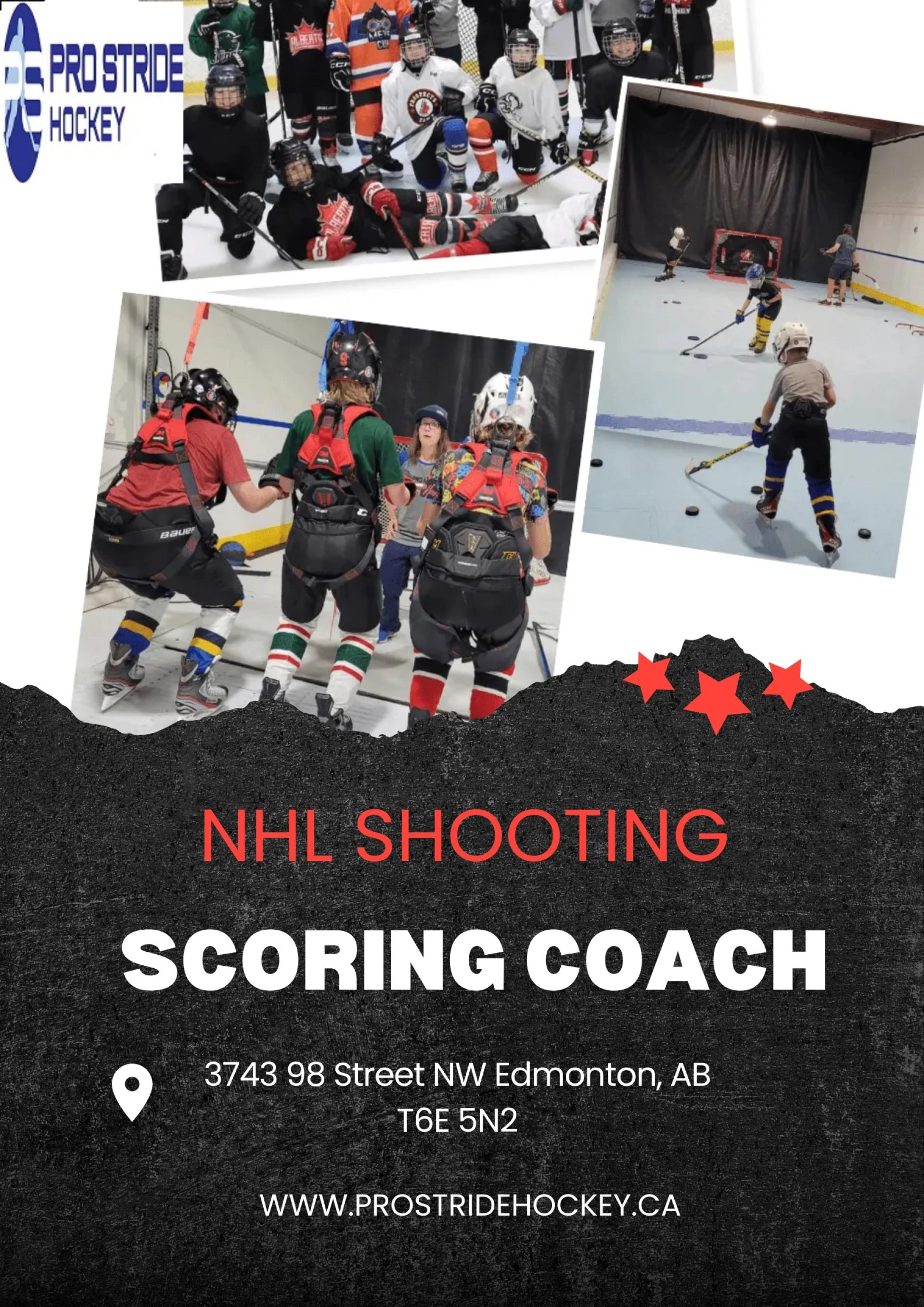
For those exploring structured hockey development in Edmonton, Pro Stride Hockey is one local training option offering private and team sessions as well as specialized skills development.
Pro Stride Hockey
3743 98 St NW, Edmonton, AB T6E 5N2, Canada
780-232-4776




















Sign in to leave a comment.