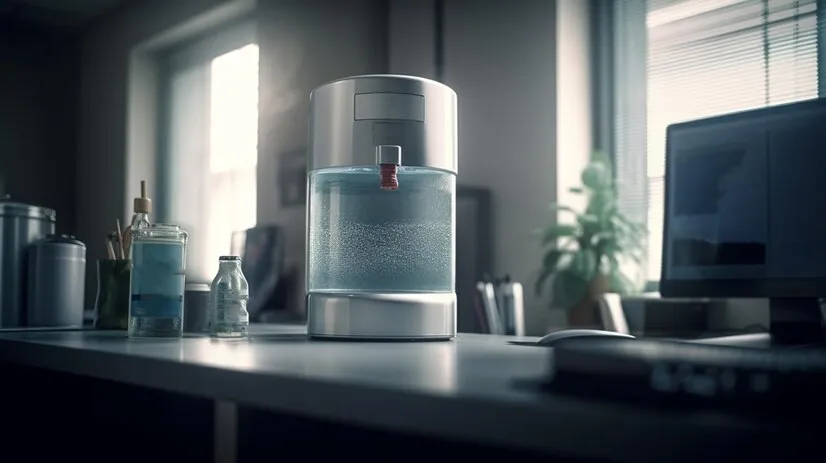

Choosing the right hot and cold dispenser for your office comes down to five key factors: daily water capacity, physical footprint, filtration quality, ease of maintenance, and user-friendly operation. Match these to your team size and office layout, and you will have a dispenser that keeps everyone hydrated without adding admin headaches or unexpected costs.
Why the Right Office Water Dispenser Matters More Than You Think
Hydration directly affects workplace productivity. According to the Health Promotion Board (HPB) Singapore, adults should drink at least eight glasses of water a day — and that habit starts at the office. A poorly chosen dispenser either runs dry by noon, takes up half a pantry, or breaks down every few weeks.
For office managers, the dispenser is a silent operational decision. Get it right once, and it runs in the background. Get it wrong, and you are fielding complaints about lukewarm water or waiting weeks for a service technician.
Step 1: Match Capacity to Your Team Size
Capacity is the first filter — and the most commonly underestimated. A general benchmark used across commercial environments in Singapore is approximately 1.5 to 2 litres of water consumption per person per workday when accounting for hot beverages, cold water, and general hydration.
Here is a practical starting point:
- Under 15 staff: A countertop dispenser with a 3–5 litre tank is usually sufficient.
- 15–50 staff: Look for a floor-standing unit with a higher-capacity tank or a direct pipe-in model.
- 50+ staff: Consider multiple units placed across pantry zones, or a high-volume pipe-in dispenser with rapid heating and cooling cycles.
Undersizing a unit leads to constant reheating cycles, slower output, and frustrated employees. Always round up rather than down.
Step 2: Choose the Right Size and Placement
Not all pantries are created equal. In Singapore, many commercial office spaces — particularly in older buildings — have compact pantry areas with limited counter space. Before shortlisting any unit, measure your available footprint.
Countertop vs. Floor-Standing Units
A countertop hot and cold water dispenser for office use works well in smaller pantries or co-working spaces. It sits on an existing surface and requires minimal installation. The trade-off is a smaller tank and lower output volume.
Floor-standing models offer higher capacity and often include additional features like child-safety locks and indicator lights. They take up floor space but free up countertops entirely — a worthwhile swap for busier kitchens.
Pipe-In vs. Bottled
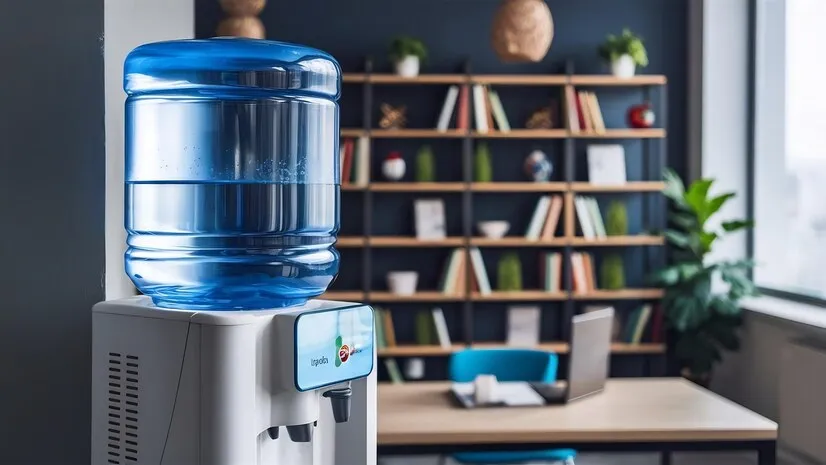
Bottled dispensers are flexible and need no plumbing, but they require someone to manage bottle inventory and replacements. Pipe-in (or point-of-use) dispensers connect directly to the mains water supply, eliminating manual refills entirely. For offices with 20 or more staff, pipe-in models quickly become more practical and cost-effective.
Step 3: Evaluate Filtration Quality
This is where many buyers cut corners — and regret it later. Singapore's tap water meets the World Health Organisation's drinking water guidelines and is considered safe to drink straight from the tap. However, the journey through building pipes can introduce sediment, chlorine taste, and trace contaminants.
A dispenser with a built-in filtration system addresses this without requiring a separate water filter installation. Look for the following filtration stages:
- Sediment filter: Removes visible particles and rust from ageing pipes.
- Activated carbon filter: Reduces chlorine taste and odour — a common concern in Singapore buildings.
- UF (Ultrafiltration) or RO (Reverse Osmosis): For environments requiring higher purity, such as medical offices or laboratories.
Always check the filter replacement schedule and cost before committing. A unit with cheap filters that need replacing every month adds up quickly.
Step 4: Consider Maintenance Requirements
Low-maintenance dispensers are the ones that actually stay in service. Ask these questions before purchasing:
- How often does the unit require professional servicing?
- Can filters be replaced in-house, or does it require a technician?
- Is there a service plan included, and what is the response time for breakdowns?
- How easy is it to clean the drip tray and spout area?
Hygiene is non-negotiable in a shared office environment. Units with stainless steel tanks and anti-bacterial spouts are worth the premium. Self-cleaning UV sterilisation features, now available on several commercial models, are an added advantage for high-footfall pantries.
Step 5: Assess Usability for a Mixed Workforce
The best dispenser is the one your entire team can use without a manual. Usability covers more than just button placement.
Temperature Range and Settings
Most office dispensers offer three outputs: hot (typically 85–98°C), ambient/room temperature, and cold (5–15°C). Some advanced models allow temperature customisation, which is useful if your office includes employees who prefer warm — not boiling — water for herbal teas.
Safety Features
Child-safety locks on the hot water tap are standard on modern dispensers and should be considered mandatory in any office. Accidental hot water burns are a preventable risk.
Energy Efficiency
Look for units with energy-saving modes that reduce power consumption during off-peak hours — such as overnight or weekends. In Singapore, where electricity costs are a consistent overhead, this feature can deliver noticeable savings over time.
Quick Comparison: Countertop vs. Floor-Standing vs. Pipe-In
| Feature | Countertop | Floor-Standing | Pipe-In (Point-of-Use) |
|---|---|---|---|
| Best for team size | Under 15 | 15–50 | 50+ |
| Installation effort | Minimal | Low | Requires plumbing |
| Refill management | Manual | Manual | Automatic |
| Footprint | Small | Medium | Medium |
| Long-term cost | Moderate | Moderate | Lower ongoing cost |
Making the Final Decision
Once you have evaluated capacity, size, filtration, maintenance, and usability, narrow your shortlist to two or three models. Request a demo or trial period if possible — most reputable suppliers in Singapore offer this. Involve your facilities team in the final check, since they will handle day-to-day upkeep.
If you are sourcing for multiple office floors or a growing team, prioritise modular or scalable solutions that can be added to without replacing existing infrastructure entirely.
For offices in Singapore looking for a reliable and well-supported option, Happie offers a range of dispensers designed for commercial use, with servicing support and filtration options suited to local water conditions. It is a practical starting point when evaluating what your office actually needs.
Frequently Asked Questions
What is the difference between a pipe-in and bottled hot and cold dispenser?
A pipe-in dispenser connects directly to your mains water supply, removing the need for manual bottle replacements. A bottled dispenser uses pre-filled water jugs and is more flexible in placement. For offices with 20 or more staff, pipe-in models are generally more practical and cost-efficient over time.
How often should an office water dispenser be serviced?
Most commercial dispensers should be professionally serviced every three to six months, depending on usage volume and the type of filtration system installed. Regular maintenance includes filter replacement, tank sanitisation, and spout cleaning. Sticking to a service schedule prevents bacterial buildup and extends the unit's lifespan.
Is filtered water from a dispenser safe to drink in Singapore?
Yes. Singapore's tap water already meets WHO drinking water standards, but running it through a dispenser with activated carbon or UF filtration removes residual chlorine taste and any sediment from building pipes. This makes the water more palatable for daily consumption without compromising safety.
What capacity dispenser do I need for an office of 30 people?
For 30 staff, a floor-standing dispenser or a direct pipe-in unit with a mid-to-high output capacity is recommended. Aim for a unit that can deliver at least 45–60 litres of filtered water per day without extended reheating or cooling cycles that slow service during peak morning and post-lunch periods.

















Sign in to leave a comment.