

Choosing the right ink pad can make a noticeable difference in the quality of every stamped impression. Whether you use stamps for business documents, crafts, packaging, invitations, labels, or personal projects, the ink needs to work well with both the stamp and the surface. With so many options available, knowing what to look for can help you avoid smudged, faded, uneven, or poorly defined impressions.
The right ink pads for stamps depend on several factors, including the type of stamp, material being stamped, desired finish, drying time, and how often the stamp will be used. Understanding these differences makes it easier to choose an ink pad that produces clean and consistent results.
What Are Ink Pads for Stamps?
Ink pads are specially designed pads containing ink that transfer color to a rubber or other stamping surface. When the stamp is pressed onto the pad, a thin layer of ink coats the raised design. Pressing the inked stamp onto paper or another suitable surface then creates the final impression.
Not all stamp ink pads are formulated the same way. Some are designed for everyday paper stamping, while others are made for porous or specialty materials. Ink formulation can also affect drying time, color intensity, durability, and the level of detail captured in an impression.
Before buying an ink pad, consider what you are stamping and what type of result you want.
How to Choose the Right Stamp Ink Pad?
Selecting an ink pad becomes much easier when you consider a few basic factors.
1. Consider Your Stamp Type
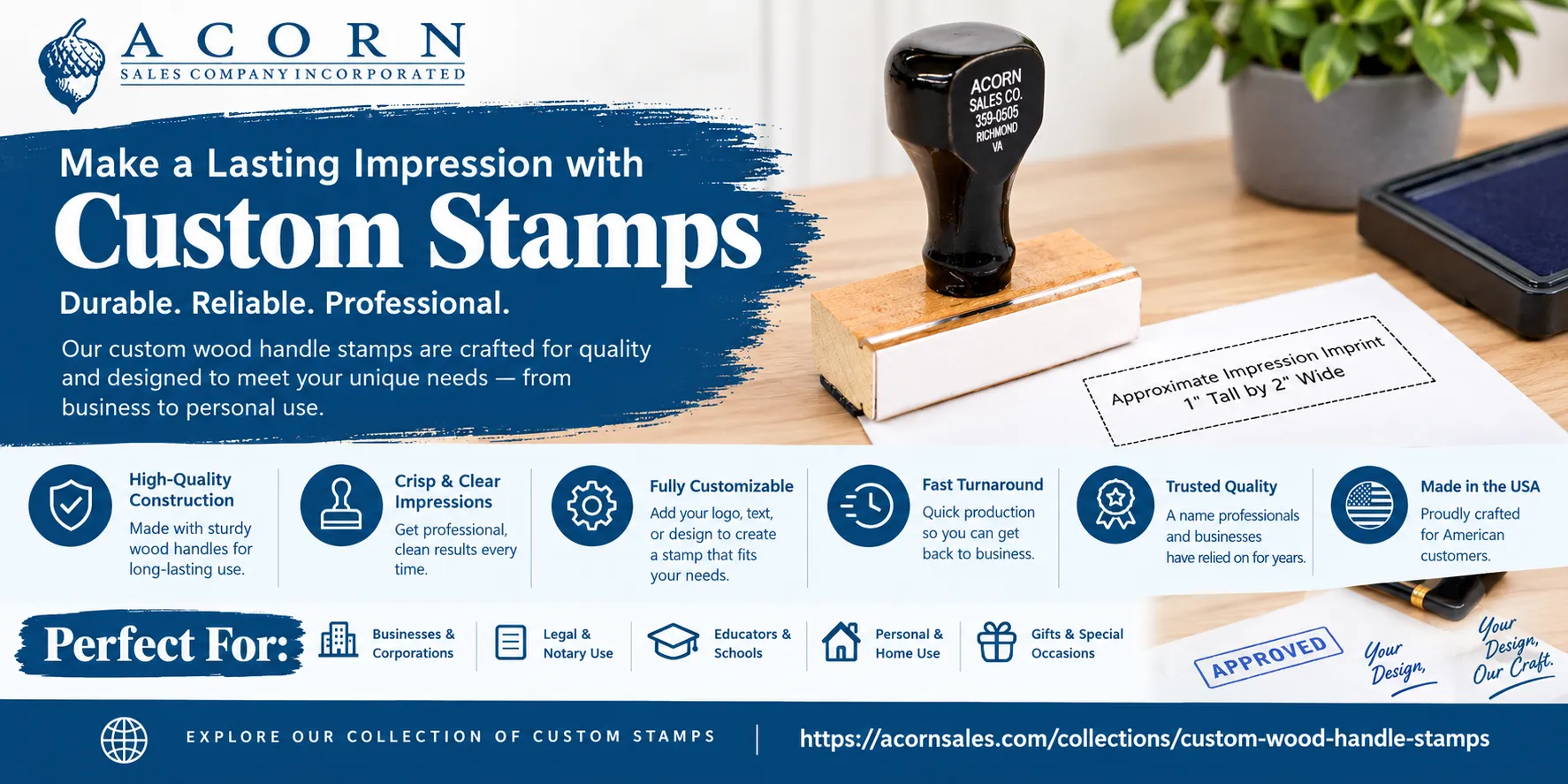
Start by identifying the type of stamp you have. Traditional wood-handle rubber stamps, clear stamps, mounted rubber stamps, and self-inking stamps may require different ink solutions.
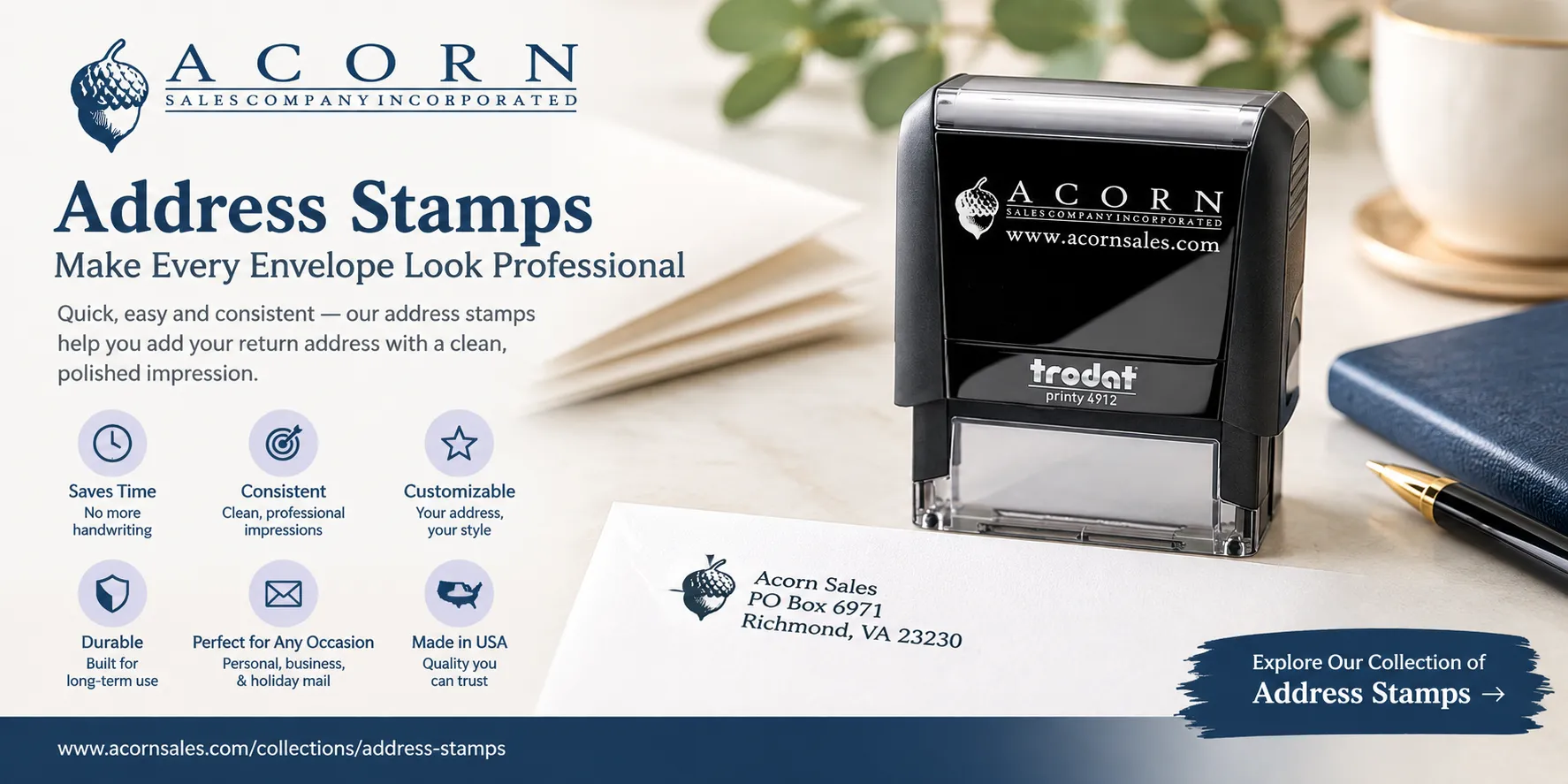
Traditional rubber stamps generally work well with standard pads designed for paper. Self-inking stamps, however, often use an integrated ink pad and may require a compatible refill or replacement pad rather than a separate external pad.
Using the wrong type of ink can affect the impression and, in some cases, may damage the stamp material.
2. Think About the Stamping Surface
The material you plan to stamp is just as important as the stamp itself.
For everyday applications such as office paper, envelopes, forms, and cardstock, a standard stamp pad is often sufficient. If you are stamping fabric, wood, coated materials, or other specialty surfaces, you may need an ink specifically formulated for that material.
Always check the manufacturer's recommendations before using specialty ink on a new surface.
3. Understand Dye and Pigment Ink
One of the most important choices when comparing dye vs. pigment ink pads is the type of finish you want.
Dye-based inks are typically known for their smooth application and relatively quick drying time. They can be a practical choice for everyday paper stamping, especially when you need to stamp multiple items efficiently.
Pigment inks contain particles that sit more prominently on the surface. They are often valued for rich, opaque impressions and can be particularly useful when strong color coverage is important.
Neither option is automatically best for every project. The right choice depends on your surface, design, drying requirements, and intended use.
What Makes the Best Ink Pads for Rubber Stamps?
The best ink pads for rubber stamps are not necessarily the most expensive ones. A good pad should provide even ink coverage without making the stamp overly wet.
Look for an ink pad that:
- Produces crisp, well-defined impressions.
- Applies ink evenly across the rubber surface.
- Matches the material you are stamping.
- Dries appropriately for your project.
- Provides the color intensity you need.
- Is compatible with your particular stamp.
- Can be stored easily without drying out prematurely.
Pad size is another consideration. The pad should be large enough to cover the complete design. For a large stamp, a larger pad can make inking easier and reduce the chance of missing parts of the design.
Choosing the Right Stamp Pad Ink for Different Uses
Different stamping jobs call for different priorities.
Office and business documents: Choose an ink that produces sharp, professional impressions and dries reasonably quickly on standard paper.
Crafting and scrapbooking: Color selection, detail, and creative effects may be more important. Consider the type of paper and finish you are using.
Packaging and labels: Look for an ink that creates clear impressions and is appropriate for the packaging material.
Detailed artwork: A quality ink pad with consistent coverage can help preserve fine lines and small design elements.
Frequent stamping: Choose an ink pad that provides reliable coverage and is easy to maintain or replace when necessary.
Can You Refill a Stamp Pad?
Some stamp pads can be re-inked using a compatible stamp ink, while others are designed to be replaced. Before adding ink, check the pad and manufacturer's recommendations.
Using an incompatible formula can cause poor impressions, excessive wetness, bleeding, or other problems. It is especially important to use the correct type of ink with self-inking stamps.
If you are unsure, replacing the pad with a compatible option can be a simpler and more reliable solution.
How to Get Cleaner, More Consistent Impressions?
Even a quality ink pad will not produce good results if the stamping technique is inconsistent.
Place the stamp evenly onto the pad rather than pressing one side repeatedly. Make sure the entire design receives a light, even coating of ink. Avoid over-inking, as excess ink can fill small details and create blurry edges.
Place the stamp straight onto the surface and apply even pressure. Lift it vertically instead of sliding it across the material. Cleaning the rubber surface periodically can also help prevent old ink and debris from affecting new impressions.
Store ink pads closed when they are not being used. Proper storage helps prevent unnecessary drying and extends the useful life of the pad.
Why Quality Ink Pads Matter?
A stamp may have a well-designed impression, but the quality of the ink pad plays a major role in how that design appears on the final surface. An appropriate pad can help preserve fine details, improve consistency, and make repetitive stamping faster and easier.
For businesses, this can be especially useful when stamps are used for addresses, approvals, packaging, identification, signatures, or other routine documentation. For creative users, the right ink can help bring detailed rubber stamp artwork to life.
When shopping for stamp ink pads, focus less on choosing a universally "best" option and more on finding one that matches your stamp, surface, and intended application.
Choosing Ink Pads from Acorn Sales
For customers looking for reliable ink pads for stamps, Acorn Sales offers options designed to support a variety of rubber stamping needs. From everyday stamping applications to replacement solutions, choosing the right stamp ink pads starts with matching the product to your stamp type and intended surface. Acorn Sales also provides stamp-related supplies that can help businesses, offices, crafters, and other users maintain clean, consistent impressions. When selecting an ink pad, consider the size, ink type, stamp compatibility, and frequency of use to find an option that fits your specific requirements.
Conclusion
Choosing the right ink pad does not have to be complicated. Start by identifying your stamp type and stamping surface, then consider whether you need dye or pigment ink, the size of the pad, drying time, and the type of impression you want.
For everyday paper stamping, a reliable standard pad may be all you need. For specialty projects or self-inking stamps, selecting a compatible product becomes even more important. Taking a few moments to match the ink to your application can result in cleaner impressions, better detail, and more consistent stamping.
Whether you are purchasing ink pads for stamps for office work, crafting, packaging, or personal projects, choosing the right formulation and using proper stamping techniques will help you get better results from every impression.
Frequently Asked Questions (FAQ)
What type of ink pad is best for rubber stamps?
The best option depends on your stamp and stamping surface. For everyday paper applications, a standard rubber stamp ink pad is often suitable. Specialty surfaces may require a specifically formulated ink.
How do I choose an ink pad for stamps?
Consider the stamp type, stamping surface, ink formulation, desired color, drying time, pad size, and frequency of use. Compatibility should always come first.
Are dye or pigment ink pads better?
Neither is universally better. Dye inks are often useful for quick-drying everyday stamping, while pigment inks can provide rich, opaque impressions. Your project determines which is more appropriate.
Can I use any ink pad with a rubber stamp?
Not necessarily. Different inks are formulated for different stamp materials and surfaces. Always verify compatibility before using an unfamiliar ink.
How often should stamp ink pads be replaced?
Replacement depends on usage, storage, and pad condition. If impressions become consistently faint, uneven, or patchy, it may be time to replace or re-ink the pad.
Can I use replacement stamp ink pads in a self-inking stamp?
Yes, when the replacement pad is specifically compatible with the self-inking stamp model. Check the manufacturer's specifications before purchasing.


























Sign in to leave a comment.