How to Choose the Right Keynote Speaker for Your Event

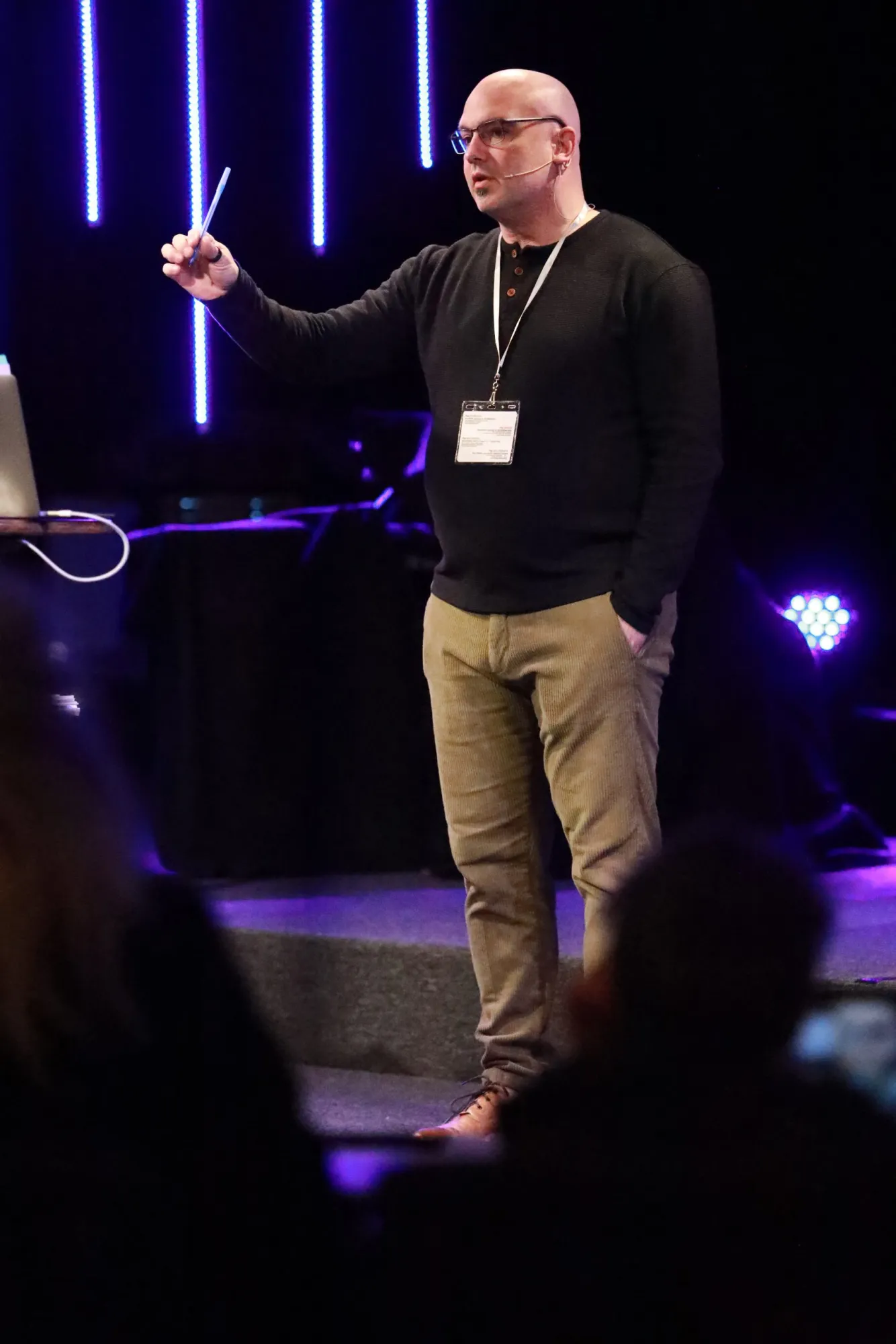
Few decisions shape an event as much as the choice of keynote speaker. A great one sets the tone, lifts the energy, and gives attendees a message they repeat for months. A poor match can leave a room checking their phones. Because planners often book people they have never seen in person, deciding whether to hire a keynote speaker can feel risky.
This guide walks through a practical way to choose with confidence, from defining your goals to asking the right questions before you sign anything. If you want to see how an author's ideas can help you judge whether a speaker fits your audience, the Peace Not Pressure book by Chris Behnke is a useful example to preview.
Start with your goal, not the speaker
Before browsing a single profile, get clear on what the event needs to achieve. Is it a leadership conference meant to inspire managers? A company retreat focused on team culture? A faith-based gathering centered on purpose? The best speaker for one of these may be the wrong choice for another.
Write down three outcomes you want attendees to leave with. For example: renewed motivation, a shared language for stress and workload, and one practical tool each person can use on Monday morning. These outcomes become your filter. If a speaker cannot clearly connect to them, move on.
Know your audience
A message that lands with senior executives may fall flat with frontline teams, and the reverse is also true. Consider the size of the audience, their experience level, and what they are dealing with right now. Are they facing change, growth, or fatigue? A speaker who understands your audience's real challenges will always outperform one with a generic talk. If possible, share a short summary of recent challenges with the speaker, such as a reorganization, a busy season, or a major milestone, so the message feels timely instead of canned.
Five qualities of a strong keynote speaker
- Customization. The best speakers do not deliver the same talk everywhere. They ask about your theme, your goals, and your culture, then shape the message to fit. Ask how much customization is included.
- Range on stage. Can the speaker command a large ballroom and also lead a smaller breakout session or workshop? Flexibility matters, especially at multi-day events.
- Practical takeaways. Inspiration fades quickly without something to act on. Look for speakers who leave attendees with simple frameworks they can use right away.
- Professionalism. Smooth logistics are part of the job. A speaker who responds quickly, shares clear requirements, and avoids last-minute surprises protects your reputation as the planner.
- Repeat invitations. When event organizers keep inviting a speaker back, it is one of the strongest signs of reliability.
What to review before you decide
Good speakers make this easy by publishing materials openly. Look for:
- A speaker bio and introduction you can read aloud on the day
- Talk abstracts that describe what the audience will learn
- Audio-visual requirements, so your production team can prepare
- A demo reel showing real stage presence
- Clear information about travel and lodging expectations
If a speaker's materials are hard to find or vague, treat that as a warning sign. Transparency early usually means smoother planning later.
Questions to ask in your first call
- How do you tailor your talk to our theme?
- What do you want to know about our audience in advance?
- What will attendees be able to do differently after your session?
- What are your AV and staging needs?
- What does your travel and accommodation setup look like?
- Can you also lead a workshop or breakout alongside the keynote?
Pay attention not only to the answers but to how the speaker listens. A speaker who asks thoughtful questions about your event is far more likely to deliver a talk that fits.
Matching style to theme
Some speakers focus on data and strategy. Others lean on storytelling and humor. Some bring faith-based inspiration. None of these is better in general; what matters is fit. For a leadership audience dealing with stress, you might want someone who blends practical frameworks with warmth. For a purpose-driven gathering, you might prefer someone who speaks openly about values and calling.
Chris Behnke, for example, is an author and entrepreneur who has spoken on five continents over more than thirty years. His talks combine data-driven insight, faith-rooted inspiration, and humor, and he offers keynotes, workshops, and coaching. Planners who like to preview a speaker's ideas before booking can read his book on sustainable leadership, which explains his approach in detail.
Budget and timing
Start your search early. Popular speakers book months in advance, and rushing leaves you little room to compare options. Decide on a realistic budget range, and ask what is included: travel, lodging, preparation calls, and any custom content. Hidden costs are one of the most common frustrations for planners, so ask for everything in writing.
Build in a smooth experience
Once you have chosen a speaker, treat the relationship as a partnership. Share the agenda, introduce the speaker to your host, and confirm the schedule, microphone setup, and room layout well ahead of time. Offer to run a short call with the speaker a week before the event. The more context you provide, the stronger the talk will be.
Also think about what happens after the keynote. Will attendees get a follow-up resource, a worksheet, or a chance to ask questions? Extending the message beyond the stage helps it stick.
A simple checklist
- Goals and outcomes are written down
- Audience is clearly described
- Two or three speakers are compared
- Abstracts, bio, and AV needs are reviewed
- Logistics and costs are confirmed in writing
- A pre-event call is scheduled
Final thoughts
Choosing a speaker does not need to be stressful. Define your goals, understand your audience, compare a few strong options, and ask direct questions. When you are ready to book, look for someone who is transparent, flexible, and focused on making your event succeed. The right match leaves your attendees inspired and you looking brilliant.
Next read: Leading with Faith Without Burning Out


Sign in to leave a comment.