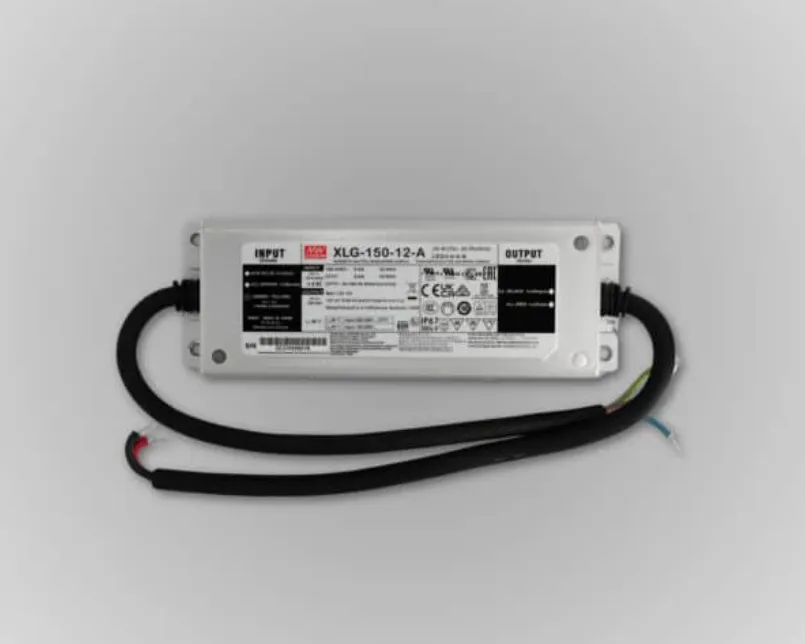

Modern LED lighting has transformed the way homes, offices, commercial spaces, retail stores, industrial facilities, and outdoor environments are illuminated. LEDs are known for their energy efficiency, long lifespan, low maintenance requirements, and excellent lighting performance. However, even the highest-quality LED fixtures require a reliable and compatible LED Power Supply to operate efficiently and safely.

Choosing the right power supply is an important part of any LED lighting project. The wrong choice can result in flickering, overheating, reduced brightness, premature LED failure, or unnecessary energy consumption. With a wide range of power supplies available today, understanding the key factors can help you make a confident decision. SI Supplies provides solutions for modern lighting requirements, making it easier to select dependable power products for different applications.
Understanding the Role of an LED Power Supply
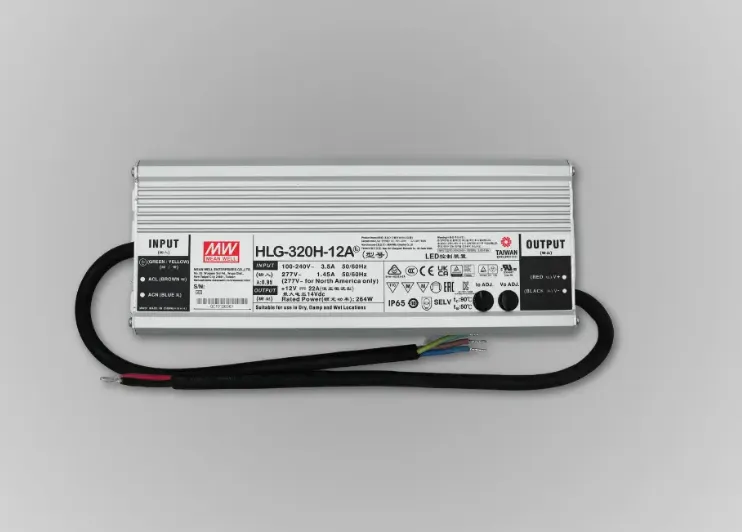
An LED Power Supply converts the available electrical power into the voltage and current required by an LED lighting system. Unlike traditional lighting technologies, LEDs operate within specific electrical parameters. A suitable power supply ensures that the fixture receives stable and appropriate power throughout its operation.
A quality power supply can contribute significantly to the performance and lifespan of an LED installation. It can help maintain consistent illumination, protect the LEDs from electrical fluctuations, and improve overall system reliability. For this reason, the power supply should be considered an essential component of the lighting system rather than simply an accessory.
Check the Required Voltage
One of the first considerations when selecting an LED Power Supply is voltage compatibility. LED lighting products are commonly designed to operate at specific voltage levels, such as 12V or 24V DC, while some LED fixtures use constant-current systems.
Before purchasing a power supply, check the manufacturer's specifications for your LED Transformer fixture or strip. The output voltage of the power supply should match the required input voltage of the lighting product. Using an incompatible voltage can cause poor performance or permanent damage to the LEDs.
SI Supplies can help customers identify suitable power solutions based on the electrical requirements of their lighting systems, helping reduce the risk of compatibility problems.
Determine the Required Wattage
Power capacity is another critical factor. An LED Power Supply needs to provide enough wattage to operate the connected lighting load without being continuously overloaded.
To calculate the approximate requirement, determine the total wattage of all connected LED fixtures. For example, if an LED strip consumes 10 watts per metre and the installation requires 8 metres, the total load is 80 watts. Rather than selecting a power supply rated exactly at 80 watts, it is generally sensible to allow additional capacity for reliable operation.
Providing a suitable power margin can help prevent excessive stress and heat generation. The exact recommended margin depends on the manufacturer's specifications and the type of lighting application.
Consider Constant Voltage or Constant Current
LED systems generally fall into two major categories: constant-voltage and constant-current applications. Selecting the correct type of LED Power Supply is essential because these systems are designed around different electrical requirements.
Constant-voltage power supplies are commonly used with LED strips and fixtures designed for a fixed voltage, such as 12V or 24V. Constant-current drivers, on the other hand, provide a controlled current to LED products that require a specific current level for proper operation.
Always check the LED manufacturer's requirements before choosing between these two types. A power supply that does not match the lighting system can negatively affect performance and reliability.
Look at Efficiency and Energy Consumption
Energy efficiency is particularly important in modern lighting applications. While LEDs already consume less electricity than many conventional lighting technologies, the efficiency of the power supply also affects the overall energy performance of the system.
A more efficient LED Power Supply converts a greater proportion of incoming electrical energy into usable output power while producing less energy as heat. This can be especially valuable in commercial buildings, retail environments, warehouses, and other installations where lighting operates for many hours each day.
Choosing an efficient power supply can contribute to lower operating costs while supporting the energy-saving benefits of LED technology.
Consider Dimming and Control Requirements
Modern lighting systems increasingly incorporate dimming, automation, sensors, smart controls, and other advanced features. If your application requires dimming, make sure the selected LED Power Supply is compatible with the intended control method.
Different systems may use different dimming technologies, so compatibility should be confirmed before installation. A power supply designed for dimming can provide smoother lighting adjustment and better integration with modern lighting controls.
For smart buildings and sophisticated commercial lighting installations, considering control compatibility at the planning stage can prevent expensive modifications later.
Check Protection Features
A reliable LED Power Supply should provide appropriate protection for the intended environment. Depending on the product, protection features may include safeguards against short circuits, overloads, overvoltage, overheating, and other electrical conditions.
These features can help protect both the power supply and connected LED equipment. For installations operating in demanding conditions, protection becomes even more important. Outdoor lighting, industrial environments, and areas exposed to dust or moisture may require power supplies with appropriate enclosure and environmental ratings.
Consider Installation Location and Size
Physical dimensions and installation conditions should also influence your selection. The power supply needs to fit comfortably into the available space while allowing appropriate ventilation and access for installation or maintenance.
For compact lighting projects, a smaller power supply may be preferable. Larger commercial or industrial installations may require higher-capacity units or multiple power supplies. The installation environment should also be considered, particularly when the system is exposed to heat, moisture, dust, or outdoor conditions.
Choose Quality and Reliability Over Price Alone
The cheapest LED Power Supply is not necessarily the most economical option in the long term. An unreliable unit can cause flickering, maintenance issues, inconsistent lighting, and premature component replacement.
When selecting a power supply, consider product quality, specifications, protection features, efficiency, expected operating conditions, and supplier reliability. Working with an established supplier such as SI Supplies can help you make a more informed choice based on the specific requirements of your project.
Why the Right LED Power Supply Matters
The correct LED Power Supply can make a significant difference to the performance and reliability of an LED lighting installation. From maintaining stable illumination to supporting energy efficiency and protecting expensive lighting equipment, the power supply plays a central role in the overall system.
Whether you are installing LED lighting in a residential property, upgrading a commercial building, designing retail illumination, or developing an industrial lighting project, taking time to evaluate voltage, wattage, current type, efficiency, controls, protection, and installation requirements is well worth the effort.
With the right approach and dependable products from SI Supplies, modern LED lighting systems can deliver consistent performance, improved energy efficiency, and long-term reliability.
Frequently Asked Questions
What is an LED Power Supply?
An LED Power Supply is an electrical device that converts input electricity into the appropriate voltage or current required to operate LED lighting products safely and efficiently.
How do I know what size LED Power Supply I need?
You should calculate the total wattage of the connected LED lighting and select a power supply with sufficient capacity. It is generally advisable to provide some additional capacity rather than operating the power supply continuously at its maximum rating.
Can I use any power supply with LED lights?
No. The power supply must match the voltage, current, wattage, and electrical configuration specified by the LED manufacturer. Using an incompatible unit can lead to poor performance or damage.
What is the difference between constant-voltage and constant-current LED power supplies?
A constant-voltage supply provides a fixed voltage and is commonly used with products such as LED strips. A constant-current supply regulates the current delivered to LEDs that require a specific operating current.
Does an LED Power Supply affect energy efficiency?
Yes. The efficiency of the power supply affects the overall energy consumption of an LED lighting system. A high-efficiency power supply can reduce energy losses and unnecessary heat generation.
Why should I choose a reliable supplier?
A reliable supplier can provide products with appropriate specifications and help you identify solutions suitable for your particular lighting application. SI Supplies offers power solutions intended to meet the needs of modern LED lighting systems.
























Sign in to leave a comment.