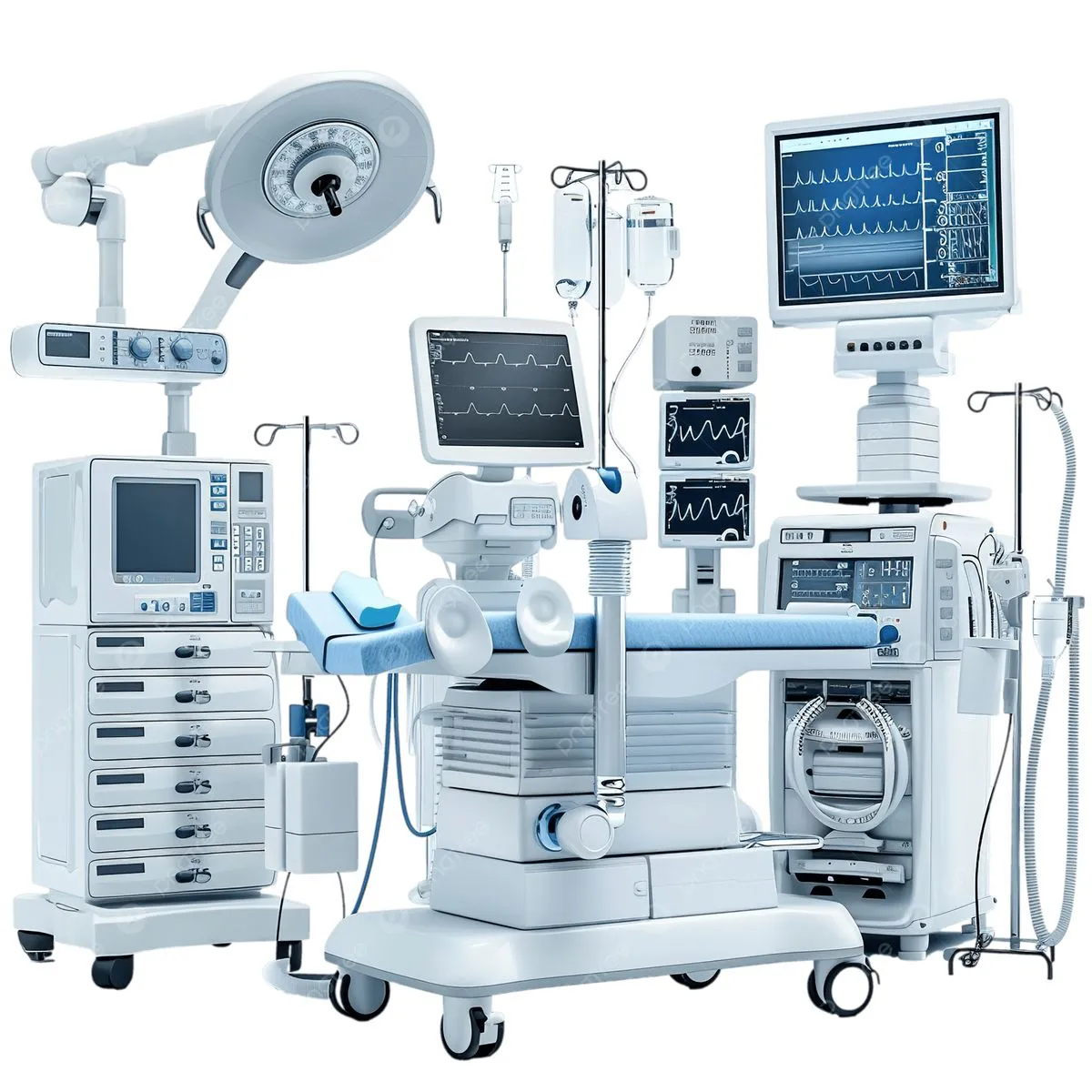

Choosing medical equipment is an important decision for any hospital, clinic, laboratory, or healthcare facility. The right equipment can support accurate diagnosis, improve daily workflow, and help healthcare professionals provide better patient care.
However, choosing the right equipment is not only about finding the lowest price. Quality, reliability, technical support, maintenance, availability, and after-sales service are also important.
If you are looking for a medical equipment supplier in the UAE, here are some important factors to consider.
1. Check the Quality of the Equipment
Medical equipment is used in situations where accuracy and reliability matter. Whether it is a patient monitor, ECG machine, microscope, ultrasound system, or other healthcare device, the equipment should meet appropriate quality and safety requirements.
Before purchasing, check the manufacturer, specifications, warranty information, and available technical documentation.
A reliable supplier should also be transparent about the products they provide.
2. Look at the Range of Products
Healthcare facilities often need more than one type of medical device. Working with a supplier that offers different categories can make equipment purchasing easier.
FastonMed provides a wide range of healthcare products in the UAE, including laboratory equipment, ENT equipment, radiology equipment, physiotherapy equipment, dermatology equipment, dental equipment, hospital furniture, general medical devices, and consumables.
This type of product range can be useful for clinics and healthcare projects that need multiple types of equipment.
3. Consider Your Facility's Requirements
Every healthcare facility has different requirements.
A small clinic may need basic diagnostic and monitoring devices, while a hospital may require advanced equipment for different departments. Laboratories, dental clinics, diagnostic centers, and home healthcare providers also have different needs.
Before purchasing equipment, consider:
- What is the equipment used for?
- Who will operate it?
- How frequently will it be used?
- What specifications are required?
- Is training necessary?
- What maintenance will be required?
Understanding these requirements can help prevent unnecessary purchases.
4. Technical Support Is Important
Buying medical equipment is only the beginning. Installation, setup, maintenance, troubleshooting, and technical assistance can also be important during the equipment's working life.
A supplier that provides technical support can make it easier to deal with equipment-related problems.
FastonMed states that it provides installation guidance, maintenance support, and after-sales assistance for selected medical equipment systems.
5. Compare Total Cost, Not Just Purchase Price
Price is naturally an important factor, but the cheapest equipment is not always the most economical choice.
Consider the total cost of ownership, including:
- Initial purchase cost
- Installation
- Consumables
- Maintenance
- Replacement parts
- Warranty coverage
- Expected service life
A reliable device that performs consistently may provide better long-term value than a cheaper product that requires frequent repairs or replacement.
6. Check Delivery and Availability
Healthcare projects often work with specific timelines. Delays in receiving important equipment can affect clinic openings, hospital projects, or day-to-day operations.
FastonMed operates from Dubai and states that it provides delivery across the UAE, including Dubai, Abu Dhabi, Sharjah, and other Emirates. Delivery time can vary depending on product availability and project requirements.
It is always better to confirm availability and delivery timelines before placing an order.
7. Ask About Warranty and Service
Before purchasing medical equipment, ask the supplier about warranty coverage and service arrangements.
Warranty terms can vary depending on the manufacturer and product. FastonMed states that selected products include manufacturer warranty and service support based on the product type and brand.
Understanding these terms before purchase can help avoid confusion later.
Medical Equipment for Different Healthcare Facilities
A good medical equipment supplier should understand that different healthcare environments require different solutions.
Hospitals may need equipment for multiple departments, while clinics may focus on examination, diagnosis, and patient monitoring. Laboratories require specialized testing equipment, and home healthcare providers may need compact and easy-to-use devices.
FastonMed serves hospitals, clinics, diagnostic centers, pharmacies, home healthcare providers, and government healthcare projects.
Why Choosing the Supplier Matters
Medical equipment plays an important role in modern healthcare. The supplier you choose can influence not only the initial purchase but also installation, maintenance, technical support, and long-term equipment performance.
For this reason, healthcare organizations should look beyond price and evaluate the supplier's product range, technical capabilities, support services, warranty options, and reliability.
Final Thoughts
Finding the right medical equipment supplier in the UAE requires careful research. Start by identifying your facility's requirements, then compare equipment specifications, quality, pricing, warranty, delivery, and after-sales support.
FastonMed provides medical and surgical equipment for healthcare facilities across the UAE, with product categories ranging from diagnostic and laboratory equipment to ENT, dental, dermatology, physiotherapy, radiology, hospital furniture, and general medical devices.
Whether you are setting up a new clinic, expanding a hospital, upgrading laboratory equipment, or replacing an existing medical device, choosing a reliable supplier can make the purchasing process easier and support your healthcare operations in the long term.





























Sign in to leave a comment.