

International furniture buyers have many options when looking for products for their retail stores, hospitality projects, interior businesses and online furniture brands. However, choosing a manufacturer is not simply about finding attractive designs at a suitable price. Buyers also need to consider material quality, production consistency, customization, finishing and communication.
For businesses sourcing furniture from India, these factors become even more important because the manufacturer needs to understand the buyer's product requirements and international market expectations. A clear sourcing process can help buyers avoid confusion and make it easier to develop products that meet their needs.

Why Manufacturer Selection Matters for International Furniture Buyers
Furniture is a long term product category for many businesses. Retailers may reorder successful products, while wholesalers may need consistent quantities for their customers. Interior businesses may also require several products that follow the same design direction.
This means the manufacturer needs to do more than produce one good sample.
The buyer should consider whether the manufacturer can maintain similar quality across larger quantities and future orders. Communication is also important because product specifications, finishes and packaging requirements may need to be discussed before production begins.
A manufacturer that understands these requirements can make the sourcing process easier for international buyers.
What Should Buyers Check Before Choosing a Manufacturer?
The first step is to understand the manufacturer's product range.
If a business needs tables, consoles, chairs or other furniture, it is useful to check whether the manufacturer already works with similar products. This can give the buyer a better idea of the company's production experience.
Buyers should also look at the materials being used. Metal furniture can have different finishes and construction methods, so the exact material and finishing requirements should be discussed before an order is confirmed.
Other important points include:
• Product dimensions
• Material specifications
• Surface finish
• Customization options
• Production quantity
• Quality control
• Packaging requirements
• Sample development
• Repeat order capabilities
Looking at these areas before placing an order can help buyers make a more informed sourcing decision.
Why Is Material Quality Important?
Furniture quality starts with the materials used during production.
For metal products, buyers should understand the type of metal, construction method and finishing process involved. These details can affect the appearance, strength and durability of the final product.
Material selection should also match the intended use of the furniture. A product designed for a home environment may have different requirements from furniture intended for restaurants, hotels or other commercial spaces.
Buyers should therefore discuss the intended use with the manufacturer rather than focusing only on the appearance of the product.
When several products are being developed for the same collection, consistency in materials and finishes can also help create a connected look.
How Can Customization Help Businesses?
Many retailers and private label businesses want furniture that fits their own customer base. They may need a different size, finish or material combination from what is available in a standard catalogue.
This is where a metal furniture manufacturer can become useful for businesses looking to develop products around specific requirements.
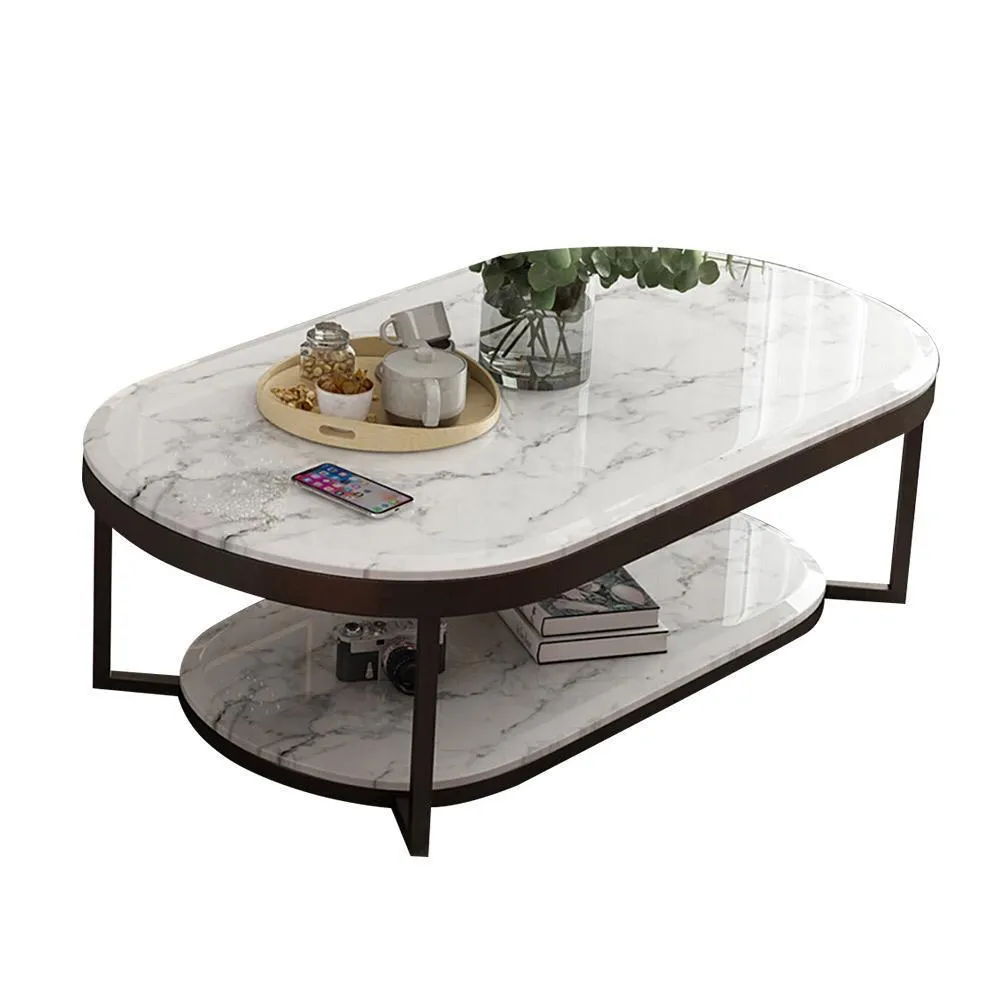
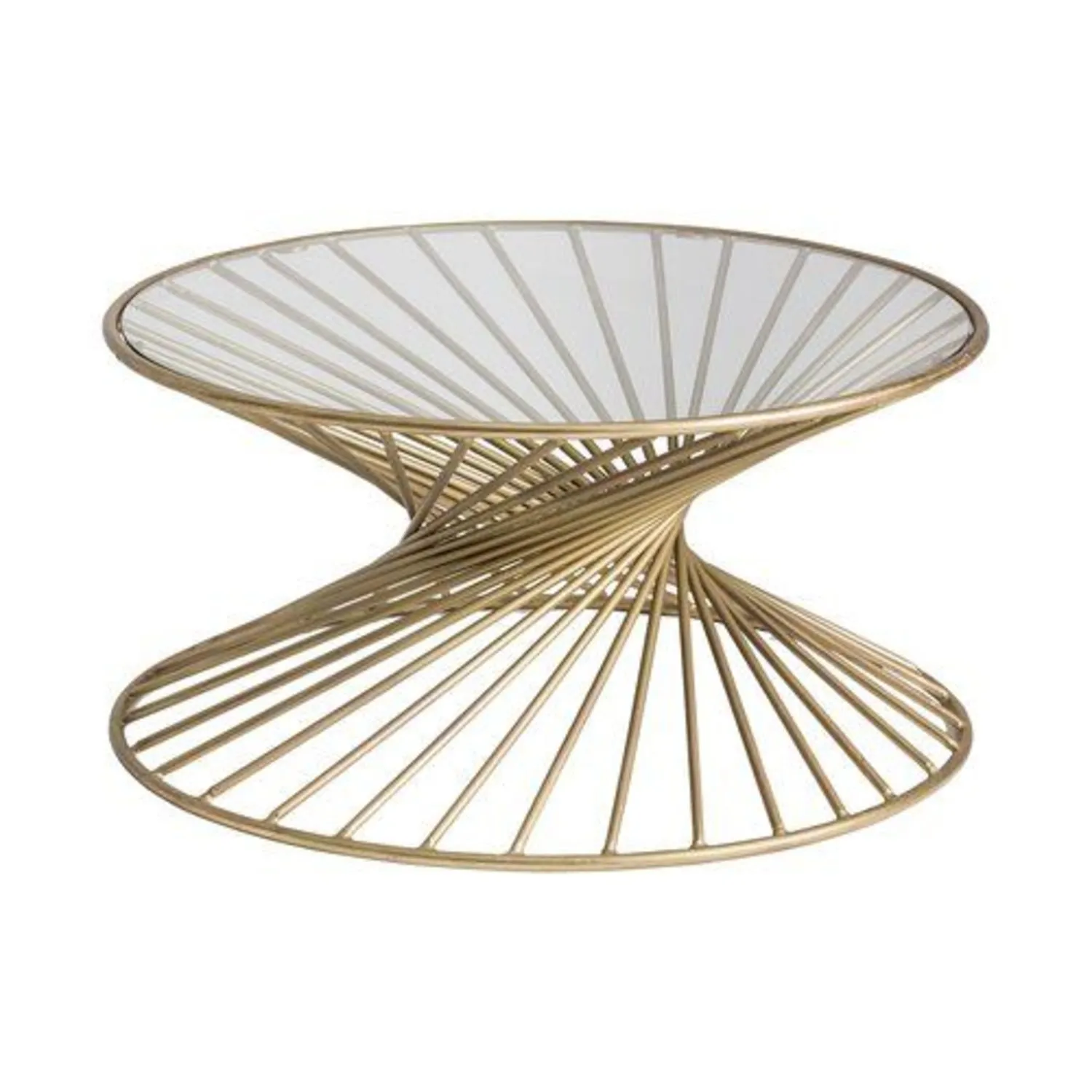
For example, a buyer may want a coffee table with a different height, a console with a particular finish or several products that use the same design elements.
Customization does not always mean creating an entirely new product from the beginning. Sometimes small changes to an existing design can make it more suitable for a particular market.
The buyer should clearly explain which parts of the design are essential and where the manufacturer can suggest practical alternatives.
Why Should Buyers Approve a Sample?
A sample can help buyers understand what the final product will actually look and feel like.
Product photographs can show the general design, but they may not communicate the exact dimensions, finish, weight or construction of the furniture.
During sample approval, buyers can check the product against their original requirements. If the size or finish needs to be changed, those adjustments can be discussed before bulk production.
This step can be particularly useful for businesses launching a new collection. It provides a physical reference before a larger investment is made.
Once approved, the sample can also be used as a reference during production.
How Can Buyers Maintain Product Consistency?
Consistency is important for businesses that order furniture in larger quantities.
A retailer does not want different pieces from the same collection to have noticeable differences in dimensions or finishing. The same applies to wholesalers and interior businesses working with multiple products.
Clear specifications can help reduce this problem.
Buyers should document important details such as dimensions, materials, finishes and construction requirements. These specifications can then be shared with the production team.
For repeat orders, keeping these records can be even more useful. The manufacturer can refer to the previous product information instead of starting the development process again.
What Should International Buyers Know About Packaging?
Furniture packaging should be discussed before production is completed.
International furniture orders can go through several stages of transportation and handling. The packaging therefore needs to be suitable for the product's size, shape and finish.
Products with delicate surfaces may require additional protection. Large furniture pieces may also need a different packaging approach from smaller products.
Retailers and private label businesses may have additional packaging preferences. These should be communicated early so that the manufacturer can consider them during production planning.
How Can Buyers Build a Long Term Supplier Relationship?
A successful furniture order can become the beginning of a long term sourcing relationship.
Once a product has been developed and approved, the buyer already has a reference for future orders. This can make repeat production easier and can also help when developing related products.
For example, a business may first order coffee tables and later introduce matching side tables or console tables. Using similar materials and finishes can help create a consistent collection.
Good communication remains important throughout this process. Buyers should be able to discuss new requirements, changes and future products clearly with the manufacturer.
What Should You Confirm Before Placing an Order?
Before confirming a furniture order, international buyers should make sure the main product details are clear.
The dimensions should be confirmed, materials should be specified and finishes should be discussed. If customization is required, the changes should be documented before production begins.
Buyers should also confirm sample requirements, production quantities and packaging expectations.
A simple checklist can include:
• Final product dimensions
• Material specifications
• Finish requirements
• Approved sample
• Production quantity
• Quality expectations
• Packaging requirements
• Delivery requirements
Taking care of these details early can reduce misunderstandings and create a smoother production process.
Final Thoughts
Finding the right furniture manufacturer involves more than comparing prices or product photographs. International buyers should consider material quality, customization, production consistency, communication and packaging before confirming an order.
A clear product brief and sample approval can help both sides understand the expected result. Proper documentation can also make repeat orders easier.
For businesses sourcing furniture from India, taking time to understand the manufacturer's capabilities can create a stronger foundation for future collections and long term sourcing relationships.
Businesses interested in customized furniture development can also read this guide on sustainable and custom furniture trends for global B2B buyers to understand how changing buyer requirements are influencing furniture sourcing.






















Sign in to leave a comment.