
You’ve decided it’s time to buy a mountain bike. You open a few shopping tabs, and within minutes you’re buried in jargon: 27.5 vs 29-inch wheels, hardtail vs full suspension, 21 speeds vs 1x drivetrains. Then you search for mtb cycle gear and find options ranging from a few thousand rupees to more than a lakh. Which one is actually right for you?
Many first-time buyers do one of two things: they buy the cheapest option and regret it after three weeks of rattling frames and slipping gears, or they overspend on features they’ll never use. Neither is necessary. Once you understand what makes an mtb cycle different from other bikes, picking the right one is simple.
Educational Section: What Makes an MTB Cycle Different?
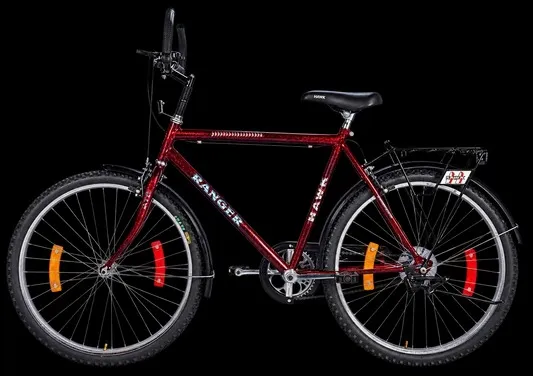
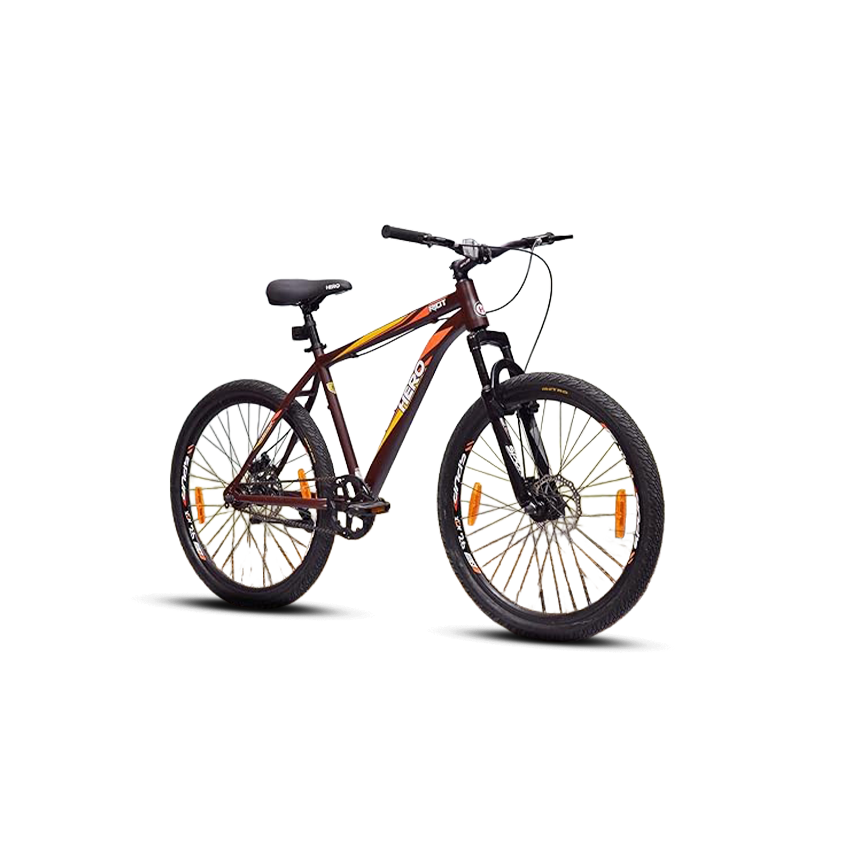
A mountain bike is built for uneven terrain: gravel roads, dirt trails, rocky paths, and rough city streets with potholes. Compared to a regular road or city bike, an mtb cycle has:
- A sturdier frame. Usually aluminum or steel, designed to absorb impact and handle off-road stress.
- Wider, knobby tyres. These grip loose surfaces and add cushioning.
- Suspension. Most models have a front suspension fork, while full-suspension bikes have rear suspension.
- Multiple gears. These help you climb steep inclines and cruise on flats without exhausting yourself.
- Stronger brakes. Disc brakes (mechanical or hydraulic) give far better stopping power than rim brakes, especially in wet or muddy conditions.
Hardtail vs. full suspension: A hardtail has suspension only at the front. It’s lighter, cheaper, and easier to maintain, which makes it ideal for beginners and everyday riders. A full-suspension bike has shock absorbers at both ends. It’s more comfortable on technical trails but costs more and needs more upkeep.
Frame size and wheel size: The wheel size (commonly 26", 27.5", or 29") affects how the bike rolls and handles. Frame size matters even more. A bike that doesn’t fit you causes back pain, poor control, and fatigue, no matter how good its components are.
Practical Selection Framework
Before you compare any mtb cycle price, answer these four questions.
1. Where will you ride most?
If 80% of your riding is on roads and light trails, you don’t need a heavy-duty trail bike. If you’re heading to forest paths or hilly terrain regularly, invest in better suspension and brakes.
2. What’s your realistic budget?
Prices vary by brand, components, and frame material, but here’s a rough guide for the Indian market (always verify current prices before buying):
- Entry level (roughly ₹8,000–₹18,000): Steel or basic alloy frames, mechanical disc brakes, and simple gearing. Good for casual riding, fitness, and commuting.
- Mid-range (roughly ₹18,000–₹40,000): Lighter alloy frames, better gear systems, quality front suspension, and improved braking. This is the sweet spot for most riders.
- Premium (₹40,000 and above): Hydraulic disc brakes, advanced suspension, lightweight frames, and high-end drivetrains for serious trail and performance riding.
3. What’s your fitness and experience level?
Beginners benefit from simpler setups with fewer components to maintain. More experienced riders can make use of precise gearing and advanced suspension.
4. How much maintenance are you willing to do?
Complex bikes reward you with performance but demand regular servicing. If you want a low-fuss ride, simplicity wins.
Example: Matching a Rider to a Bike
Consider Rohan, a 28-year-old IT professional. He wants to cycle for fitness on weekday mornings and explore nearby trails on weekends. His budget is around ₹20,000.
Using the framework: his terrain is mixed (roads plus light trails), so a hardtail with front suspension is plenty. His budget places him in the entry-to-mid range. He’s a beginner, so a 21-speed setup with reliable disc brakes is enough. And since he doesn’t want heavy servicing, he skips full suspension entirely.
The result is a well-fitted hardtail mtb cycle that does everything he needs, without paying for features that would sit unused. He compared the mtb cycle price across a few options, but he decided based on fit, frame quality, and brakes rather than the lowest number.
Trust and Buying Guidance
A few practical tips will help you avoid common mistakes:
- Test ride before you buy. Stand over the frame: you should have a couple of centimetres of clearance. Check that you can reach the handlebars without overstretching.
- Check the frame and welds. Look for clean, smooth joints, with no cracks or uneven finishing.
- Don’t judge by gear count alone. A bike with 21 well-made gears beats one with 27 low-quality ones.
- Prioritise brakes. Safety comes first. Disc brakes are worth the extra cost.
- Ask about warranty and after-sales service. A dependable service network matters as much as the bike itself.
- Compare total value, not just sticker price. Factor in accessories like a helmet, lights, a lock, and a basic repair kit.
- Buy from authorised sellers. This protects you from counterfeit parts and ensures warranty coverage.
Also remember that the lowest mtb cycle price isn’t always the best deal. A slightly higher investment in a sturdier frame and better brakes often saves money over time through fewer repairs and a longer lifespan.
Conclusion and Soft CTA
Choosing an mtb cycle doesn’t have to be overwhelming. Start with your terrain, set a realistic budget, pick a size that fits, and focus on frame quality, brakes, and service support. Do that, and the right bike becomes obvious.
If you’re ready to explore options, brands with a long-standing presence in India, such as Hero Cycles, offer a range of mountain bikes across different budgets. Browsing their lineup is a good way to compare models, features, and pricing side by side. Take your time, test ride a few options, and choose the bike that makes you want to ride every single day.
















Sign in to leave a comment.