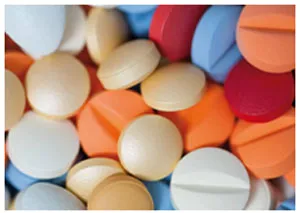

Choosing a coating partner is an important decision for any supplement brand. A coating can affect a product's appearance, taste, stability, and ease of use. Poor work may cause uneven color, cracking, sticking, or inconsistent quality.
The right nutraceutical coatings manufacturer should provide technical knowledge, quality control, documentation, and reliable communication. Here is what to review before choosing one.
Understand What Supplement Coatings Need to Do
Start by defining the purpose of the coating. Different supplement coatings are designed for different needs. A coating may:
- Improve color and appearance
- Mask an unpleasant taste or odor
- Make tablets easier to swallow
- Help protect sensitive ingredients from moisture or light
- Reduce dust and product damage
- Support delayed or targeted release when properly designed and tested
- Create a consistent branded finish
Not every coating provides every benefit. The formula, dosage form, storage, packaging, and market determine the best option.
1. Look for Relevant Technical Experience
Ask whether the company has experience with products similar to yours. Coating vitamins, minerals, botanical formulas, probiotics, tablets, and capsules may require different materials and processing conditions.
An experienced nutraceutical coating company should understand poor adhesion, color variation, tablet chipping, moisture sensitivity, and coating buildup. Its team should explain how it will reduce these risks.
Request examples of similar work while respecting client confidentiality.
2. Review the Available Coating Options
A capable nutraceutical coatings supplier may offer film coatings, taste-masking systems, moisture barriers, clear or colored finishes, and specialized release systems.
Request a complete ingredient list. Confirm whether the coating meets needs such as vegetarian, allergen-aware, sugar-free, or clean-label positioning. Verify that any colors are permitted in the target market.
Do not accept claims such as "natural" or "premium" without clear specifications.
3. Confirm Quality and cGMP Systems
In the United States, dietary supplement operations are covered by 21 CFR Part 111. These rules address written procedures, qualified personnel, production controls, specifications, testing, and records.
Ask the manufacturer for evidence of its quality system. Useful documents may include:
- Current certifications or audit reports
- Standard operating procedure summaries
- Equipment cleaning and maintenance records
- Staff training controls
- Material and finished-product specifications
- Batch records and Certificates of Analysis
- Deviation, complaint, and corrective-action procedures
A certificate alone is not enough. Review current documents and ask how the quality system works during production.
4. Ask About Testing and Product Specifications
The brand and manufacturer should agree on specifications for weight gain, appearance, color, uniformity, tablet damage, moisture protection, disintegration, or dissolution when relevant.
The testing plan should match the purpose of the dietary supplement coatings. For example, a simple appearance coating may not need the same evaluation as a coating designed to change release behavior.
Ask which tests are performed in-house or by an outside laboratory. Qualified quality personnel should review results before release.

5. Request a Pilot or Trial Batch
A pilot can reveal problems before full production. The nutraceutical coatings manufacturer can adjust spray rate, temperature, airflow, coating time, and other settings.
The trial should confirm even application and agreed specifications. It can also estimate production time, material use, loss, and cost.
Skipping a pilot may increase waste, delays, or rework.
6. Evaluate Capacity and Scalability
Ask about minimum orders, batch sizes, lead times, equipment, and maximum capacity.
A small nutraceutical coating company may offer personal service but limited capacity. A larger provider may require bigger orders. Choose a model that matches your forecast and cash flow.
Ask how it manages urgent reorders, seasonal demand, and shortages.
7. Check Packaging and Stability Support
Packaging must also protect the product from moisture, light, air, and physical damage when these risks apply.
A knowledgeable nutraceutical coatings supplier should understand bottles, blister packs, desiccants, closures, and storage conditions. Suitable evidence may be needed to support shelf life.
8. Review Communication, Timelines, and Ownership
Confirm who will manage the project, provide updates, and approve formula or process changes.
The agreement should cover ownership, confidentiality, delays, rejected batches, rework, complaints, and recalls.
9. Compare the Complete Cost
Compare development fees, materials, pilot runs, testing, setup, minimum orders, packaging, storage, freight, and change fees.
A reliable quote should clearly explain what is included. Strong quality controls may prevent expensive problems later.
Warning Signs to Avoid
Be careful if a manufacturer:
- Refuses to provide basic quality documents
- Makes unsupported performance or compliance claims
- Cannot explain its testing process
- Provides unclear pricing or timelines
- Changes materials without written approval
- Has weak complaint or batch-traceability procedures
- Promises that one coating will work for every formula
These warning signs may lead to quality failures, launch delays, regulatory concerns, or damage to customer trust.
Final Thoughts
Choosing the right nutraceutical coatings manufacturer requires careful review of technical experience, coating options, quality systems, testing, capacity, packaging support, communication, and total cost.
The best partner will explain the process, document decisions, identify risks, and create consistent dietary supplement coatings for the intended product and market. Careful selection can support better quality and more reliable production.





















Sign in to leave a comment.