How to Choose the Right Online Chess Coach for Your Child

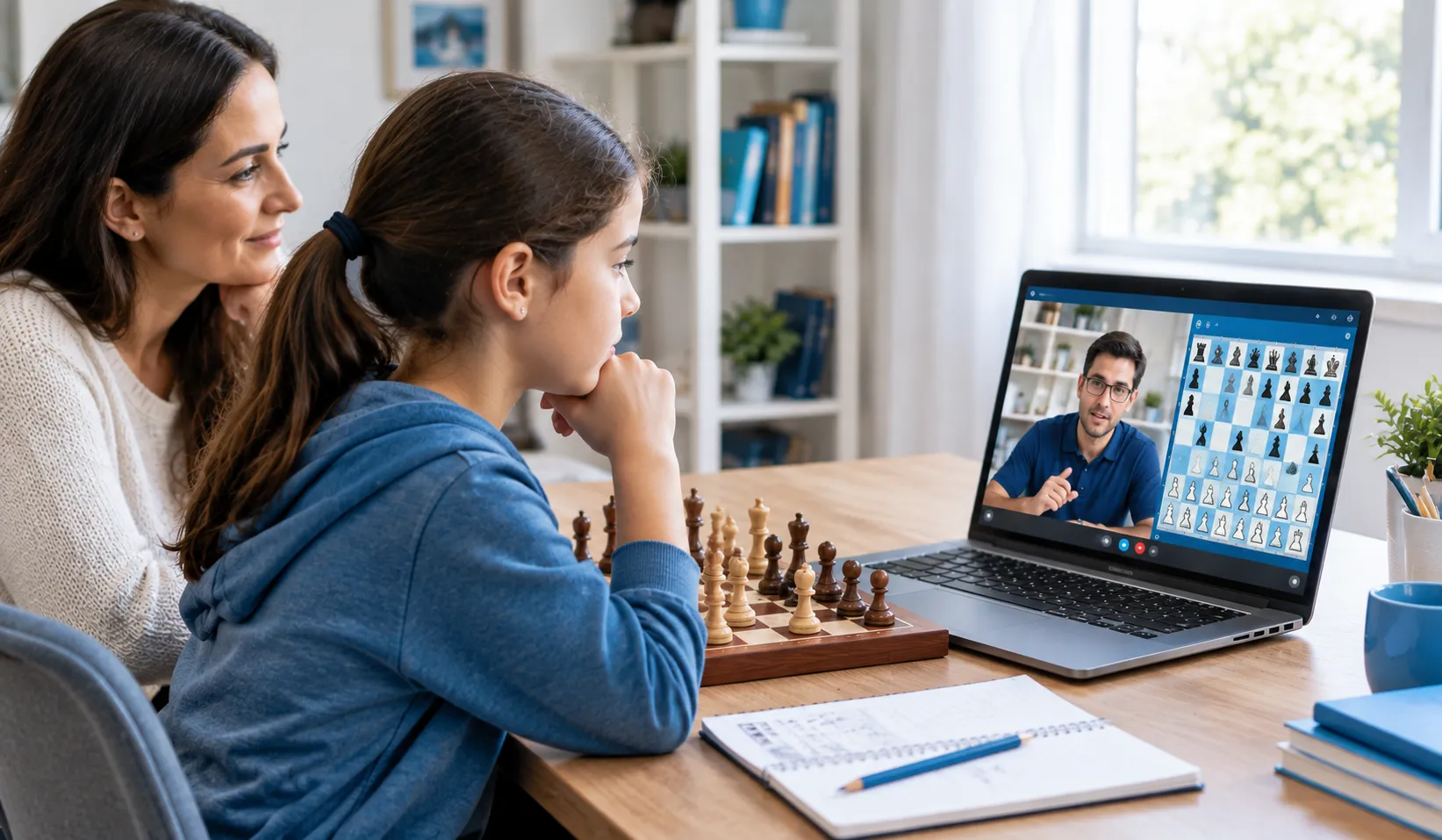
Finding a suitable online chess coach for your child requires more than looking at chess ratings or choosing the most affordable lessons. The right instructor should understand the game, communicate effectively with young learners, and know how to make lessons useful for a child’s current skill level.
Parents should also consider the teaching structure, progress feedback, online safety, and the academy’s policies before enrolling. Taking time to evaluate these factors can help you select a program that fits your child’s needs.
If you want to understand how to vet an online chess coach, here are ten important factors to consider before making your decision.
1. Research the Coach’s Chess Background
Start by checking the instructor’s playing experience, chess titles, ratings, and professional background. These details can help you understand the coach’s knowledge of competitive chess.
If the coach has a published FIDE rating or title, you can check the available information through the official FIDE Ratings and Titles website.
Remember that being a strong chess player and being an effective teacher are two different skills. A coach must also be able to break down complicated positions, answer questions clearly, and help students understand why a move works.
Before choosing an instructor, ask:
- What chess title or rating do you hold?
- Can I verify your playing credentials?
- What competitive chess experience do you have?
- Have you taught children at my child’s current level?
Look for clear, verifiable information rather than relying only on promotional descriptions.
2. Evaluate Their Ability to Teach Young Players
Children learn chess at different speeds. Some are still learning how to protect their pieces, while others are ready to study combinations, positional ideas, and tournament games.
A capable instructor should recognize these differences and adjust the lesson accordingly.
Ask the coach how they introduce difficult concepts to beginners, help students overcome recurring mistakes, and keep lessons engaging. Their answers can reveal whether they have a practical approach to teaching children.
For example, instead of simply pointing out a blunder, a coach might ask the student to examine the opponent’s threats or calculate alternative moves. This encourages the child to participate in the learning process.
When comparing online chess lessons for kids, consider the coach’s teaching ability alongside their chess credentials.
3. Examine the Learning Plan
Before enrolling, find out whether the coaching program follows a clear curriculum. Lessons should have a purpose and reflect the student’s current strengths, weaknesses, and goals.
Depending on the child’s experience, a learning plan may include:
- Fundamental rules and checkmate techniques
- Tactical patterns and combinations
- Calculation and move selection
- Opening principles and development
- Positional understanding and pawn structures
- Endgame knowledge
- Game review and tournament preparation
A beginner may need to develop reliable fundamentals before studying advanced strategy. A competitive player, meanwhile, may benefit from reviewing tournament games and addressing specific weaknesses.
Ask how the coach decides what to teach, checks understanding, and changes the lesson plan when the student is ready for more challenging material.
A clear learning structure makes it easier for parents to understand what their child is working toward.
4. Pay Attention to the Teaching Style
A coach’s profile provides useful background, but a lesson offers a better opportunity to evaluate their communication and teaching methods.
If a demonstration or introductory session is available, observe how the instructor works with your child.
Notice whether the coach:
- Encourages the child to explain their thinking
- Gives the student time to solve positions independently
- Explains mistakes without discouraging the learner
- Welcomes questions and responds clearly
- Adjusts explanations when a concept is difficult
An effective lesson should involve more than watching the instructor demonstrate moves. Children need opportunities to calculate, test ideas, and understand the consequences of their decisions.
After the session, ask your child whether they understood the explanations and felt comfortable participating. Their experience can help you judge whether the teaching style is a good match.
5. Ask About Child Safety and Online Communication
Online coaching makes it possible for children to learn from instructors in different locations, but parents should understand how lessons and communication are managed.
Before enrolling, ask the academy to explain its procedures for student safety and parent involvement.
Important questions include:
- How are coaches identified and verified?
- Will parents know who is teaching each session?
- What communication channels are used?
- Can parents observe lessons or receive session updates?
- How are concerns or complaints handled?
- What happens to personal information and recorded sessions, if recordings are made?
Policies vary between providers, so do not assume that a particular safeguard exists without checking.
Choose a program that answers these questions clearly and explains how parents can contact the academy if an issue arises.
6. Understand How Progress Is Evaluated
Chess development is not identical for every child. Progress may depend on previous experience, the frequency of lessons, independent practice, and the amount of time spent reviewing games.
Be careful with coaches who promise that every student will reach a particular rating within a guaranteed period. A more useful approach is to establish learning goals and review progress regularly.
Signs of development may include:
- Recognizing familiar tactical patterns
- Identifying threats before making a move
- Explaining the reasons behind a decision
- Finding mistakes during game analysis
- Applying previously learned ideas in new positions
Ratings can help competitive players track results, but they do not capture every aspect of chess understanding.
Ask whether the instructor provides regular feedback, recommends practice activities, and revisits topics that the student finds difficult. Specific feedback helps parents understand what the child has learned and what should receive more attention.
7. Choose Between One-to-One Lessons and Group Coaching
The right format depends on your child’s goals, preferences, and current playing strength.
Individual chess lessons allow the coach to focus closely on one student. The instructor can spend more time on personal weaknesses, specific questions, and tournament preparation.
Group chess classes give students opportunities to discuss positions, learn alongside other players, and practise against different opponents. They may appeal to children who enjoy shared activities and learning with peers.
Neither format is the right choice for every child.
Before deciding, ask about the number of students in each group, how much individual feedback is provided, and whether players are grouped according to ability. Also find out how much time students spend solving positions and playing practical games.
Compare the structure and teaching quality of the available options instead of assuming that one format is always superior.
8. Review Fees and Enrollment Conditions
The cost of coaching is important, but the lowest price does not necessarily represent the best fit for your family.
Compare the details of each package, including lesson duration, weekly frequency, instructor continuity, practice resources, and any tournament-related support.
Read the enrollment terms carefully. Check the payment schedule, cancellation policy, rescheduling arrangements, and any additional fees before making a payment.
If an academy offers an introductory session, confirm whether it is paid or free and review the applicable conditions. Never assume that an introductory lesson is free simply because it is offered.
Clear information about fees and policies allows you to compare programs fairly and make a decision that fits your budget.
9. Identify Red Flags Before Enrolling
A coaching provider should be able to explain its qualifications, teaching approach, and policies without making exaggerated promises.
Consider asking further questions if you notice any of the following:
- Chess titles or ratings that cannot be independently verified
- Promises of guaranteed rating improvements for every student
- No clear explanation of the curriculum
- Unclear procedures for child safety
- Confusing payment or cancellation conditions
- Uncertainty about who will conduct the lessons
- Little or no feedback about the student’s development
These warning signs should be considered in context. One unanswered question does not automatically make a coach unsuitable, but repeated evasive answers deserve attention.
Request clarification and compare the information with other providers before committing to a program.
10. Consider Your Child’s Opinion
Parents are responsible for checking credentials, policies, costs, and the overall quality of instruction. However, the child’s comfort with the coach is also important.
After a demonstration lesson, ask your child a few simple questions:
- Were the explanations easy to understand?
- Did you feel comfortable asking questions?
- Did the coach give you enough time to think?
- Would you like to learn with this instructor again?
You can also ask the coach to explain what they observed during the session and which skills they would focus on first.
Compare the instructor’s feedback with your child’s experience. A suitable coach should be able to explain how the lessons will address the student’s needs and encourage active participation.
Conclusion
Learning how to vet an online chess coach helps parents make a more informed choice about their child’s chess education.
Check the instructor’s credentials, evaluate their experience with children, and ask for a clear learning plan. Observe how they teach, review online safety procedures, and understand the fees before enrolling. It is equally important to find out how the coach provides feedback and evaluates the student’s progress.
The goal is to find an instructor who can explain chess concepts clearly, encourage independent thinking, and provide lessons suited to your child’s current abilities.
At MM Chess Academy, families can explore online chess learning focused on developing chess knowledge and practical playing skills.
Visit www.mmchess.org or email [email protected] to learn more.
Ready to see it for yourself? Book a trial lesson with MM Chess and judge us against this checklist.
Frequently Asked Questions
1. What should parents look for when choosing an online chess coach?
Parents should evaluate the coach’s chess credentials, experience teaching children, curriculum, communication style, safety policies, and pricing. Observing a lesson can also help determine whether the instructor is a suitable match.
2. Is a high chess rating enough to make someone a good coach?
No. A high rating can indicate strong playing ability, but teaching also requires patience, clear communication, and the ability to explain concepts at the student’s level.
3. What topics should an online chess coach teach children?
Depending on the student’s level, lessons may cover chess fundamentals, tactics, calculation, opening principles, positional play, endgames, and game analysis. The coach should choose topics based on the child’s needs and goals.
4. What safety questions should parents ask before online chess lessons?
Ask how the academy verifies instructors, manages communication, involves parents, protects personal information, and handles complaints. Review the provider’s actual policies before enrolling.
5. How can parents measure a child’s progress in chess coaching?
Look for improvements in tactical recognition, calculation, decision-making, game analysis, and the ability to explain moves. Ratings may provide additional information, but they should not be the only measure of progress.





Sign in to leave a comment.