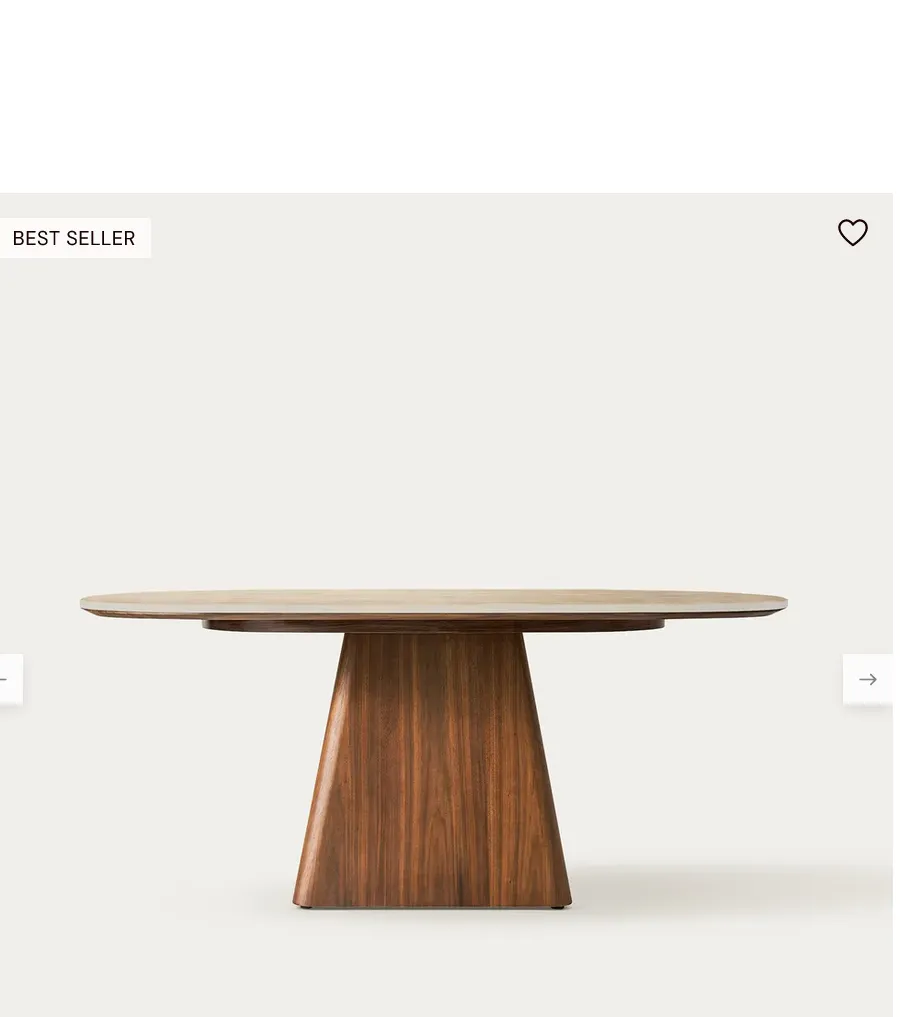

Choosing a dining table is one of those home decisions that looks simple until I start comparing sizes, shapes, materials, and styles. The table needs to fit the room, but it also needs to feel comfortable when family and friends gather around it. After considering different options, I have found that an oval dining table offers a practical balance between generous seating and a softer visual appearance.
For larger dining areas, a 72 inch oval dining table can be an appealing choice. Its extended shape provides plenty of space without creating the hard, boxy appearance that can come with some rectangular designs. When I want my dining room to feel spacious, comfortable, and suitable for everyday meals as well as special occasions, an oval table is worth considering.
Why I Like the Oval Table Shape
The shape of a dining table affects more than appearance. It influences how people move around the room and how easily everyone can interact during a meal. Oval tables have rounded ends, which eliminate sharp corners and create a more relaxed outline.
I particularly like this shape when a dining room needs to accommodate several people while maintaining an open feeling. The curved edges can make it easier to walk around the table, especially when the surrounding furniture is arranged carefully.
Another advantage is the conversational atmosphere. With a rectangular table, people sitting at opposite ends can sometimes feel separated. An oval design brings the ends inward visually, helping the group feel more connected.
Finding the Right Table Size
Size is one of the first things I consider before purchasing a dining table. A beautiful table can still become a problem if it leaves too little space for chairs and movement.
A 72 inch table generally provides substantial seating capacity, making it suitable for families or people who regularly host guests. However, the table itself should not be the only measurement I consider. I also measure the dining room and leave enough clearance around every side.
A useful approach is to imagine each chair pulled away from the table. There should be enough room for someone to sit comfortably while another person walks behind them. Measuring the available floor area before shopping helps prevent surprises after delivery.
Choosing a Comfortable Dining Layout
Once I know the available space, I think about how the table will interact with the rest of the room. A dining table should have enough visual breathing room around it.
If the room includes a large cabinet, sideboard, kitchen island, or other furniture, I make sure these pieces do not interfere with the seating area. I also consider the position of doors and walkways.
For an open-plan home, an oval table can work particularly well because its curved edges create a softer transition between the dining area and nearby living spaces. Instead of looking like a separate block of furniture, the table can become part of the overall room design.
Selecting the Right Material
Material makes a major difference in the personality and practicality of a dining table. Wood can create warmth and a traditional feel, while glass may give a room a lighter and more contemporary appearance.
Stone surfaces are another option I consider when I want a modern dining room. Sintered stone, for example, can provide a refined appearance while complementing contemporary interiors.
Hernest offers dining furniture with modern designs, including tables that combine a clean silhouette with practical materials. Looking through different finishes and construction styles can help me decide whether I want the table to become a subtle part of the room or a central design feature.
Thinking About the Base Design
The base is easy to overlook when shopping for a dining table, but it can affect both comfort and appearance.
Traditional tables may use four separate legs, while pedestal designs support the tabletop from a central structure. I find pedestal bases especially interesting for oval tables because they can create more open space around the chairs.
A central base can also make it easier to position chairs without worrying as much about table legs getting in the way. This can be particularly useful when several people are seated together.
Before choosing a table, I check the shape and position of the base as carefully as I check the tabletop. The two elements should work together visually and functionally.
Matching the Table With Dining Chairs
A dining table does not exist on its own. The chairs have a major effect on the overall look and comfort of the space.
When selecting chairs, I consider the table height first. I also think about seat width, back support, upholstery, and the amount of room available between neighboring chairs.
For a modern oval table, upholstered chairs can create a comfortable and inviting appearance. Wooden chairs can provide a more natural look, while streamlined metal or mixed-material designs may suit a contemporary interior.
I also avoid choosing chairs simply because they look attractive individually. They need to complement the table and leave enough room for everyone to sit comfortably.
Considering Everyday Use
I believe a dining table should work for everyday life, not only for special occasions. Before purchasing one, I think about how I actually use my dining area.
If the table will be used for family breakfasts, homework, remote work, weekend dinners, and entertaining guests, durability becomes important. A surface that is easy to maintain can save time and reduce stress.
I also consider how often the table will be cleaned and what types of activities will happen around it. A household with children may have different priorities from someone who mainly uses the dining room for occasional dinner parties.
Thinking about real daily habits makes the buying decision much easier.
Creating a Balanced Dining Room
A large oval table can become the main visual feature of a dining room, so I prefer keeping the surrounding decoration balanced. A simple pendant light above the table can define the dining zone without overwhelming it.
A rug underneath the table can also help anchor the furniture. If I use a rug, I make sure it extends far enough beyond the chairs so they can remain on the rug when pulled backward.
Lighting, wall art, curtains, and storage furniture should support the table rather than compete with it. The goal is to create a room where the furniture feels connected.
Making the Table Work for Guests
One of the biggest reasons I like a spacious dining table is flexibility. A larger table gives me more options when friends or relatives visit.
An oval design can make group dining feel more informal because there is no strong corner structure separating people. Everyone can remain part of the conversation while still having enough personal space.
For regular hosts, this combination of capacity and comfortable interaction can make a noticeable difference.
Final Shopping Checklist
Before ordering a large oval dining table, I would check a few essential details. First, I would measure the room and confirm that there is enough clearance around the table. Next, I would check the tabletop dimensions, overall height, base design, and material.
I would also compare the table with the chairs I already own or plan to purchase. Finally, I would consider maintenance requirements and whether the design fits the rest of my home.
For me, the best dining table is not simply the largest or most fashionable option. It is the one that fits the room, supports comfortable seating, matches my interior style, and works naturally with the way I live. An oval table can bring all of these qualities together while giving the dining room a welcoming centerpiece that works for everyday meals and memorable gatherings.




















Sign in to leave a comment.