
Choosing a paint color feels simple until you're standing in the paint aisle surrounded by hundreds of nearly identical shades of white, blue, or gray. The truth is, color choice is one of the most impactful decisions you'll make in any home improvement project. The right color can make a small room feel larger, a dark room feel brighter, and a plain space feel intentional and inviting. The wrong color, on the other hand, can make even a beautifully designed room feel off.
This guide walks through how to approach color selection room by room, so you can make confident decisions that suit both your home's style and your everyday life.
Start With How the Room Is Used
Before thinking about specific shades, consider the function of the room. A home office benefits from colors that support focus and calm, while a dining room might call for something warmer and more energizing for entertaining. Bedrooms are typically better suited to soothing, muted tones that support rest, while kitchens can handle bolder, more vibrant choices since they are high-activity spaces.
Thinking about function first narrows down your options significantly before you even start comparing swatches, making the entire process less overwhelming.
Consider Natural and Artificial Lighting
Lighting has a bigger impact on paint color than most homeowners expect. The same shade can look completely different depending on whether a room faces north, south, east, or west, and how much natural light it receives throughout the day.
Rooms with lots of natural light can generally handle darker or more saturated colors without feeling closed in, while rooms with limited natural light often look better with lighter, warmer tones that help compensate for the lack of sunlight. It's also worth testing paint colors under your home's artificial lighting in the evening, since warm-toned bulbs and cool-toned LEDs can shift how a color appears once the sun goes down.
Test Before You Commit
One of the most common paint mistakes is choosing a color directly from a small swatch card and assuming it will look the same on an entire wall. Paint color is heavily influenced by the size of the surface, the room's lighting, and the colors of nearby furniture and flooring.
Instead, purchase sample-sized containers and paint large swatches directly on the walls, ideally in multiple spots around the room. Observe how the color looks at different times of day, both in daylight and after dark. This small extra step can prevent the disappointment and expense of repainting a room that didn't turn out the way you imagined.
Living Room: Balance Comfort and Style
The living room is often the most-used space in the home, making it important to choose a color that feels comfortable over time rather than one that's simply trendy. Warm neutrals, soft grays, and muted greens are popular because they create a relaxed, welcoming atmosphere while still working well with a wide range of furniture and decor styles.
If your living room gets plenty of natural light, you have more flexibility to experiment with deeper, richer tones like navy or charcoal for an accent wall, since the room can handle the added depth without feeling too dark.
Kitchen: Bring in Energy Without Overwhelming the Space
Kitchens tend to work well with colors that feel fresh and energizing, since this is a space associated with activity and gathering. Soft whites, warm creams, and light blues are common choices because they keep the space feeling bright and clean.
If you want to add personality, consider a bolder color on a kitchen island or lower cabinets while keeping the walls neutral. This approach lets you enjoy a pop of color without the risk of the entire room feeling too intense over time.
Bedroom: Prioritize Calm and Relaxation
Since bedrooms are meant for rest, softer and cooler tones generally work best. Muted blues, soft greens, and warm neutrals are popular because they create a calming environment that supports better sleep. Bright, highly saturated colors can feel stimulating rather than restful, so it's often best to save bold choices for accent walls rather than the entire room.
Bathroom: Consider Moisture and Mood Together
Bathrooms deal with humidity and moisture, so beyond color, it's worth choosing a paint formulated for high-moisture environments. In terms of color, soft blues, greens, and neutral grays are popular because they evoke a spa-like, clean feeling. Smaller bathrooms in particular tend to benefit from lighter shades, which help the space feel more open rather than cramped.
Home Office: Support Focus and Productivity
For a home office, color choice can genuinely affect concentration and mood throughout the workday. Cooler tones like soft blues and greens are often associated with calm focus, while muted neutrals provide a clean, distraction-free backdrop. If your work benefits from an energizing environment, a warm accent wall can add personality without overwhelming the space.
Dining Room: Set the Mood for Gatherings
Since dining rooms are typically used for entertaining and special occasions, richer and warmer colors often work well here. Deep reds, warm terracottas, and even dark greens can create an intimate, inviting atmosphere, especially in a room that isn't used constantly throughout the day and can handle a bolder design choice.
Don't Forget the Whole-Home Flow
While each room can have its own personality, it's important to think about how colors transition from one space to another, especially in open-concept homes where rooms flow into each other without clear separation. Choosing colors from the same overall palette or similar undertones, whether warm or cool, helps create a cohesive look throughout the home rather than a disjointed, mismatched feel as you move from room to room.
Exterior Color Matters Too
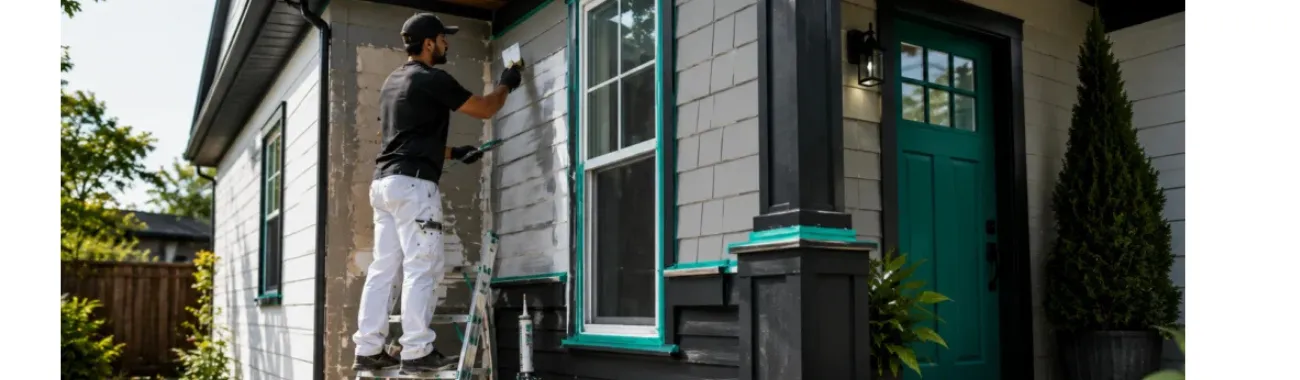
While most of this guide focuses on interior spaces, it's worth remembering that your home's exterior color plays just as important a role in curb appeal and long-term maintenance. If your home has wood siding, choosing the right product matters as much as the color itself, since certain paints are formulated to better withstand weather exposure and protect the wood underneath. For homeowners planning an exterior refresh, it's worth researching the Best Exterior Paint for Wood Siding to ensure the finish holds up against sun, rain, and temperature changes over time.
Final Thoughts
Choosing the right paint color for every room in your home doesn't have to be a stressful or overwhelming process. By starting with how each room is used, paying attention to natural and artificial lighting, and always testing colors before committing to a full paint job, you can make confident choices that feel right long after the project is finished. Whether you're refreshing a single room or planning a whole-home color scheme, taking a thoughtful, room-by-room approach ensures every space reflects both your personal style and its intended purpose.
Frequently Asked Questions
1. How do I know if a paint color will look too dark or too light in my room?
Testing large paint samples directly on your walls is the best way to judge this accurately, since lighting and surrounding decor significantly affect how a color appears compared to a small swatch card.
2. Should every room in my house match the same color palette?
Not exactly, but choosing colors with similar undertones, either warm or cool, helps create a cohesive flow throughout the home, especially in open-concept layouts where rooms are visible from one another.
3. What paint finish should I use for high-traffic rooms?
Satin or eggshell finishes are popular for living areas and bedrooms because they're easy to clean, while semi-gloss or gloss finishes work well in kitchens and bathrooms due to their moisture resistance.
4. How long does paint typically last before a room needs repainting?
Interior paint generally lasts five to ten years depending on the room's usage and lighting exposure, while high-traffic areas like kitchens and hallways may need refreshing sooner.

























Sign in to leave a comment.