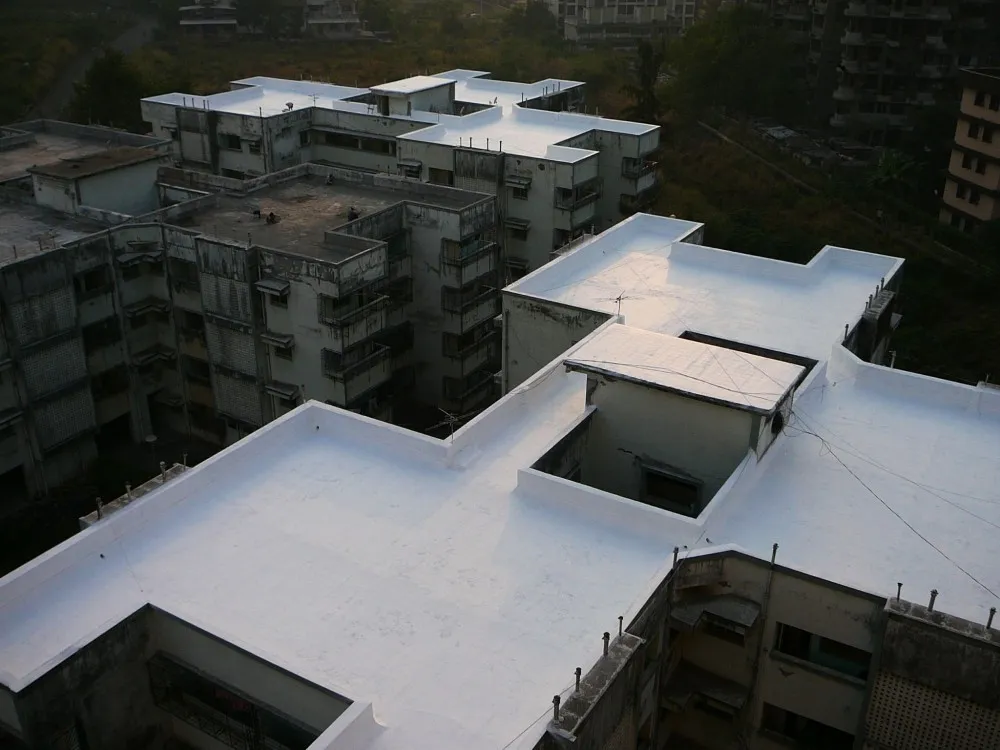

Your roof protects your home, family, and belongings from rain, wind, heat, and snow. When it gets damaged or starts to wear out, choosing the right contractor can save you time, money, and stress. A precise roofing company can help you find the right solution, explain your choices, and complete the work with care. Knowing what to look for before hiring a roofer helps you make a smart choice and avoid costly mistakes.
1. Know What Your Roof Needs
Before you contact a roofing contractor, take a moment to understand the problem. Your roof may have missing shingles, water stains on the ceiling, loose flashing, or signs of wear around vents and chimneys. Some problems need quick repairs, while others may require a full roof replacement.
Look for warning signs from the ground. Check for pieces of roofing material in your yard, dark marks on ceilings, or water near walls after heavy rain. Do not climb onto a damaged roof yourself, as the surface may be weak or slippery.
Make a list of the problems you have noticed. Share this information with each contractor you contact. This helps them understand your concerns and decide what they need to inspect.
2. Check the Contractor's Experience
Experience matters when you hire someone to work on your roof. An experienced roofer can often spot problems that may not be easy for a homeowner to notice. They can also explain whether a repair will solve the issue or if a replacement makes more sense.
Ask how long the company has worked in your area. Find out whether it handles the type of roof you have, such as asphalt shingles, metal roofing, or flat roofing. Different materials need different methods of installation and care.
You should also ask for examples of similar projects. Photos of completed work can help you understand the company's skills. If possible, read reviews from past customers and look for comments about communication, work quality, and how the company handled problems.
3. Confirm Insurance and Local Requirements
Before signing a contract, ask the roofing company for proof of insurance. It should have suitable liability coverage and workers' compensation coverage where required. These protections can help reduce your risk if an accident or property damage occurs during the project.
You should also ask whether the contractor needs a local license or permit for the work. Rules vary by location and project type, so check the requirements that apply to your home.
A trustworthy contractor should answer these questions clearly. Be careful if a roofer avoids sharing documents or pressures you to begin work before you have checked the details.
4. Compare Written Estimates Carefully
Price is important, but the lowest estimate is not always the best choice. A very low price may leave out important work or use materials that do not meet your needs.
Ask at least two or three contractors for written estimates when possible. Each estimate should explain the work included, the materials to be used, labor costs, cleanup, and any extra charges that may apply.
Compare the details rather than looking at the final price alone. For example, one contractor may include the removal of old roofing materials, while another may charge extra for it. A clear estimate helps you understand what you are paying for and makes it easier to compare your options.
Ask about payment terms before work begins. Avoid paying the full amount upfront unless you have checked the agreement and understand the terms. Put all important promises in writing.
5. Ask About Materials and Repair Options
The right roofing material depends on your budget, local weather, roof design, and home needs. Asphalt shingles are common because they offer several styles and price options. Metal roofs can provide long service when installed correctly. Other materials may suit certain homes and building designs.
Ask your contractor to explain the benefits and limits of each suitable option. Find out how long the material is expected to last under normal conditions, what care it needs, and whether the product comes with a manufacturer's warranty.
Do not feel that you must choose the most expensive material. The best option is one that fits your home, budget, and plans for the property. A good roofer should explain the choices in simple words and help you understand the costs before you decide.
6. Understand What Precision Roofing Services Include
A roofing project may involve more than replacing damaged shingles. Depending on the condition of your roof, the work may include leak repairs, flashing repairs, roof replacement, gutter work, or protective roof coatings for suitable surfaces.
Ask the contractor which services your property needs and why. If someone recommends replacing the entire roof, request a clear explanation of the damage and the available repair options. Photos from the inspection can help you see the problem and understand the proposed work.
You should also ask how the team will protect your yard, driveway, windows, and outdoor items during the project. Find out how workers will remove waste and check the property after finishing. These details help you know what to expect from the start.
7. Review the Warranty and Written Agreement
A roofing warranty can protect you against certain problems, but the details matter. Some warranties cover defects in roofing materials, while others cover specific installation issues. Coverage, length, and exclusions vary.
Ask for copies of all warranties and read them before signing the contract. Find out what actions could affect coverage and who you should contact if a problem appears later.
Your written agreement should include the project cost, materials, work details, payment schedule, estimated start and finish dates, and cleanup plan. It should also explain how changes or unexpected repairs will be approved.
Do not depend on verbal promises alone. A clear contract helps both sides understand their duties and reduces the chance of confusion.
8. Watch for Warning Signs
Some roofing contractors use pressure tactics to get quick decisions. Be cautious if someone demands immediate payment, offers a price without inspecting the roof, or refuses to provide a written estimate.
After a storm, you may receive unexpected visits from people offering roof repairs. Take time to check their business details, insurance, references, and agreement. Do not let anyone rush you into signing paperwork you have not read.
A good contractor will answer your questions, explain the work, and give you time to review your choices. Clear communication is just as important as the quality of the materials.
Make a Smart Choice for Your Roof
Choosing the right roofer starts with knowing your needs, checking experience, comparing written estimates, and understanding the contract. Take time to ask questions before work begins, and do not base your decision on price alone. If you are looking for help with repairs, replacement, or roof coatings, consider contacting Precision Roofing And Coatings to discuss your project and ask about the services available for your home. A careful choice today can help protect your property and give you greater peace of mind.


















Sign in to leave a comment.