

Creating a home cinema is easier when you understand the different projector options available today. Whether you want to watch movies on a large screen, enjoy sports with family, or improve your home entertainment setup, choosing the right projector can make a noticeable difference.
However, buying a projector is not just about screen size or resolution. Brightness, room dimensions, installation distance, light conditions, and your budget all affect the final viewing experience.
Among the popular options, ultra short throw projectors, Epson projectors, 4K projectors, and laser projectors offer different features for different needs. Understanding these differences can help you select a projector that works well in your home.
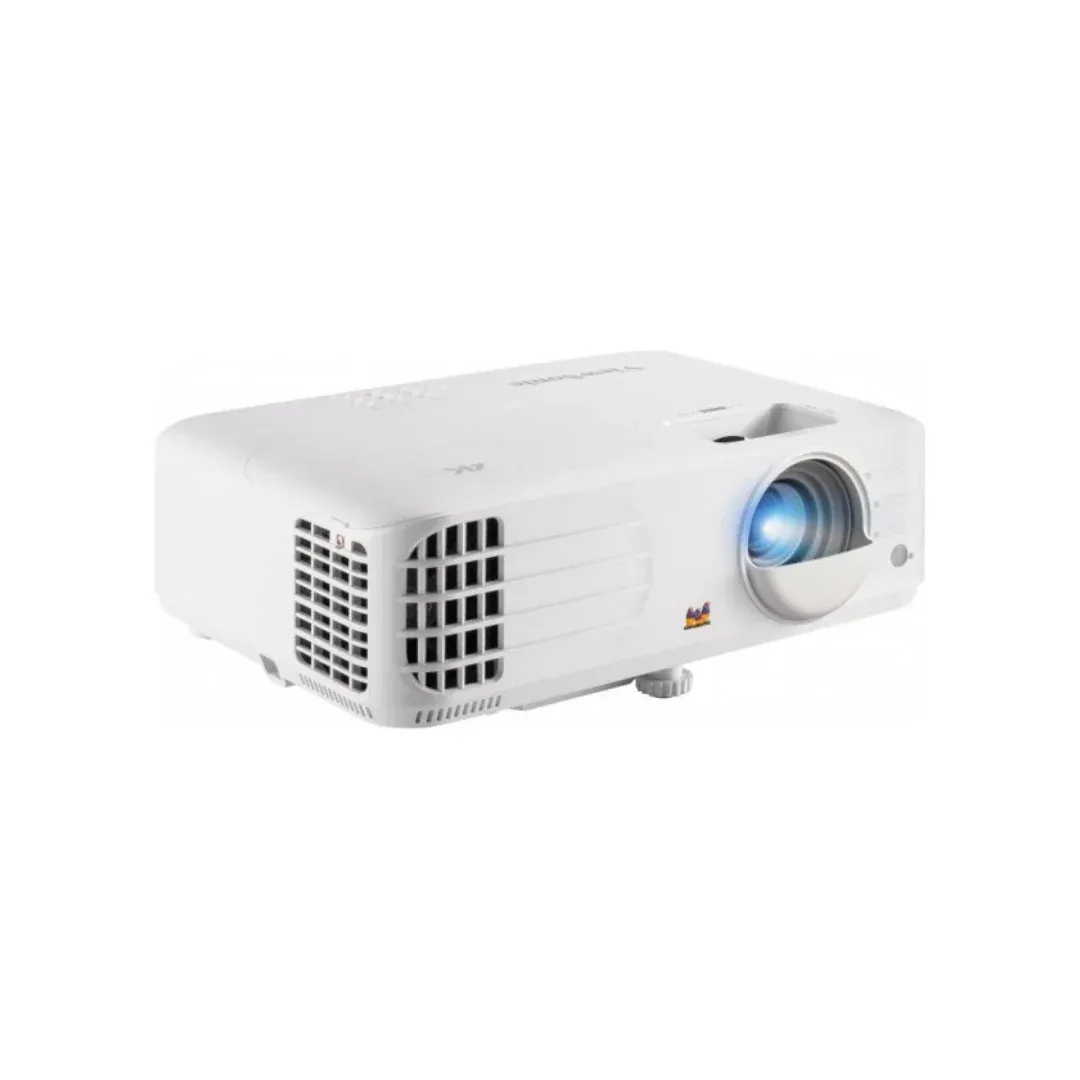
1. Why Consider an Ultra Short Throw Projector?
An ultra short throw projector, also known as a UST projector, is designed to produce a large image from a very short distance from the screen or wall.
Unlike traditional projectors that may need to be mounted on the ceiling or placed at the back of a room, an ultra short throw projector can sit on a cabinet close to the screen. This makes it an attractive option for living rooms where installation space is limited.
Benefits of Ultra Short Throw Projectors
Space-saving installation: These projectors can create a large picture without requiring a long distance between the projector and screen.
Clean room design: Placing the projector near the wall reduces the need for ceiling mounts and long cables running across the room.
Large-screen entertainment: Many models support large projected images, making movies, sporting events, and streaming content more engaging.
Suitable for modern homes: Their compact installation arrangement can work well in apartments and multipurpose living rooms.
Before buying an ultra short throw projector, check the distance requirements, screen compatibility, brightness, and ambient-light performance. A dedicated UST-compatible screen may improve the picture, especially in rooms with significant light.
2. What Makes an Epson Projector Worth Considering?
Epson projectors are popular in home entertainment, business presentations, education, and other projection applications. The brand offers different models, so the right choice depends on how you intend to use the projector.
For home cinema, consider models that offer suitable brightness, resolution, contrast performance, and connectivity for your room and content.
Important Features to Check
Resolution: Choose a model that meets your preferred picture quality. Some Epson home cinema projectors use pixel-shifting technology to display 4K-enhanced images, while specifications vary by model.
Brightness: A brighter projector can be helpful in rooms that are not completely dark. However, screen size, wall colour, and ambient light also affect the perceived picture.
Connectivity: Check HDMI compatibility for connecting streaming devices, gaming consoles, Blu-ray players, and AV receivers.
Installation flexibility: Lens shift, zoom, and keystone correction vary between models. These features can make it easier to position the projector correctly.
An Epson projector may be a suitable option if you want a dedicated home cinema setup or a versatile projector for everyday entertainment. Compare individual models rather than assuming every projector from the same brand offers identical performance.
3. Is a 4K Projector the Right Choice for Your Home?
A 4K projector is designed to display highly detailed images, making it attractive for movie enthusiasts and people who enjoy large-screen entertainment.
With compatible content, a 4K projector can reveal fine details in landscapes, facial expressions, textures, and other parts of an image. These details become particularly useful when viewing on a large screen.
However, not all projectors marketed as 4K work in the same way. Some use native 4K imaging, while others use pixel-shifting technology to create a higher-resolution image.
What to Consider Before Buying a 4K Projector
Your viewing distance: A large screen and suitable seating distance can help you appreciate the detail provided by higher-resolution content.
Content availability: To benefit from 4K resolution, use compatible content from supported streaming services, gaming systems, or media players.
Brightness and contrast: Resolution is only one part of image quality. Good contrast, suitable brightness, and accurate colours are also important.
Budget: Consider the cost of the projector, screen, mounting equipment, and other accessories when planning your setup.
A 4K projector can be a good choice for a dedicated home theatre or a living room where you want a cinematic viewing experience. Compare the actual resolution technology and overall specifications before making a decision.
4. Why Choose a Laser Projector?
Laser projectors use a laser-based light source rather than a conventional projection lamp. They are available in different brightness levels and resolutions, from home entertainment models to professional installations.
One of their main advantages is convenience. Many laser projectors offer long light-source life, reducing the need for regular lamp replacement.
Main Advantages of Laser Projectors
Long operating life: Laser light sources are generally designed to operate for many thousands of hours, although rated life varies by model and operating conditions.
Consistent performance: Many laser projectors maintain useful brightness over an extended period, though light output gradually changes with use.
Quick startup: Many models can start up and shut down more quickly than traditional lamp projectors.
Different installation options: Laser projectors are available in standard-throw, short-throw, and ultra short throw designs.
When choosing a laser projector, check its rated brightness, resolution, contrast, input options, operating noise, and warranty. Also, remember that a laser light source alone does not guarantee better picture quality than every lamp-based projector.
5. Ultra Short Throw vs 4K vs Laser Projectors
These terms describe different aspects of projector technology, so they are not always direct alternatives.
An ultra short throw projector describes how close the projector can sit to the screen. A 4K projector describes its image resolution or resolution-enhancement capability. A laser projector describes the type of light source it uses.
This means a single projector can belong to more than one category. For example, a projector can be both laser-powered and ultra short throw, or it can combine a laser light source with 4K projection.
| Feature | Ultra Short Throw | 4K Projector | Laser Projector |
|---|---|---|---|
| Main characteristic | Very short projection distance | High-resolution image | Laser light source |
| Best-known benefit | Space-saving placement | Fine image detail | Long light-source life |
| Main consideration | Screen and placement compatibility | Resolution technology and content | Brightness, cost, and rated life |
| Suitable for | Living rooms and compact spaces | Large-screen movie viewing | Long-term home entertainment |
Epson projectors form another category based on the manufacturer. An Epson model may offer 4K enhancement, a laser light source, or other features depending on the specific product.
6. How to Select the Best Projector for Your Room
Before purchasing a projector, think about your room and your everyday viewing habits.
Measure Your Available Space
Check the distance between the intended projector position and the screen. If your room has limited depth, an ultra short throw projector may be worth considering. For a traditional ceiling-mounted installation, confirm the projector's throw ratio and mounting requirements.
Check the Room Lighting
A dark room generally makes it easier to see contrast and darker details. If you plan to watch during the day, look carefully at brightness and screen suitability.
Even a bright projector can struggle to produce deep blacks when there is considerable ambient light.
Choose the Right Screen Size
A larger projected image can create a more cinematic experience, but it also spreads the available light across a bigger area. Choose a screen size that matches the projector's brightness and your seating distance.
A suitable projection screen may also provide better results than projecting onto an uneven or unsuitable wall.
Plan Your Connections
Check whether the projector supports the devices you intend to connect. HDMI inputs, supported video formats, audio connections, and gaming features may differ by model.
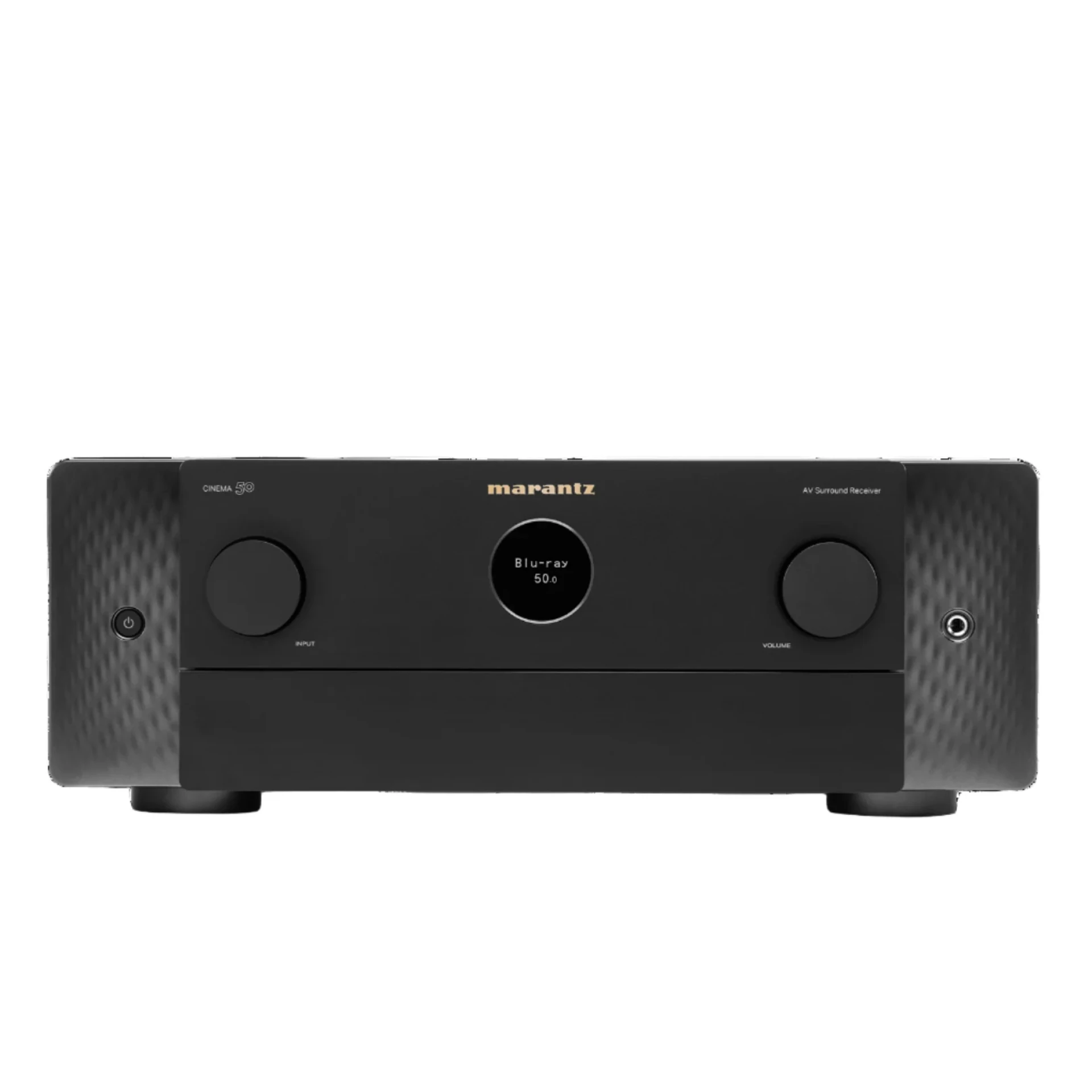
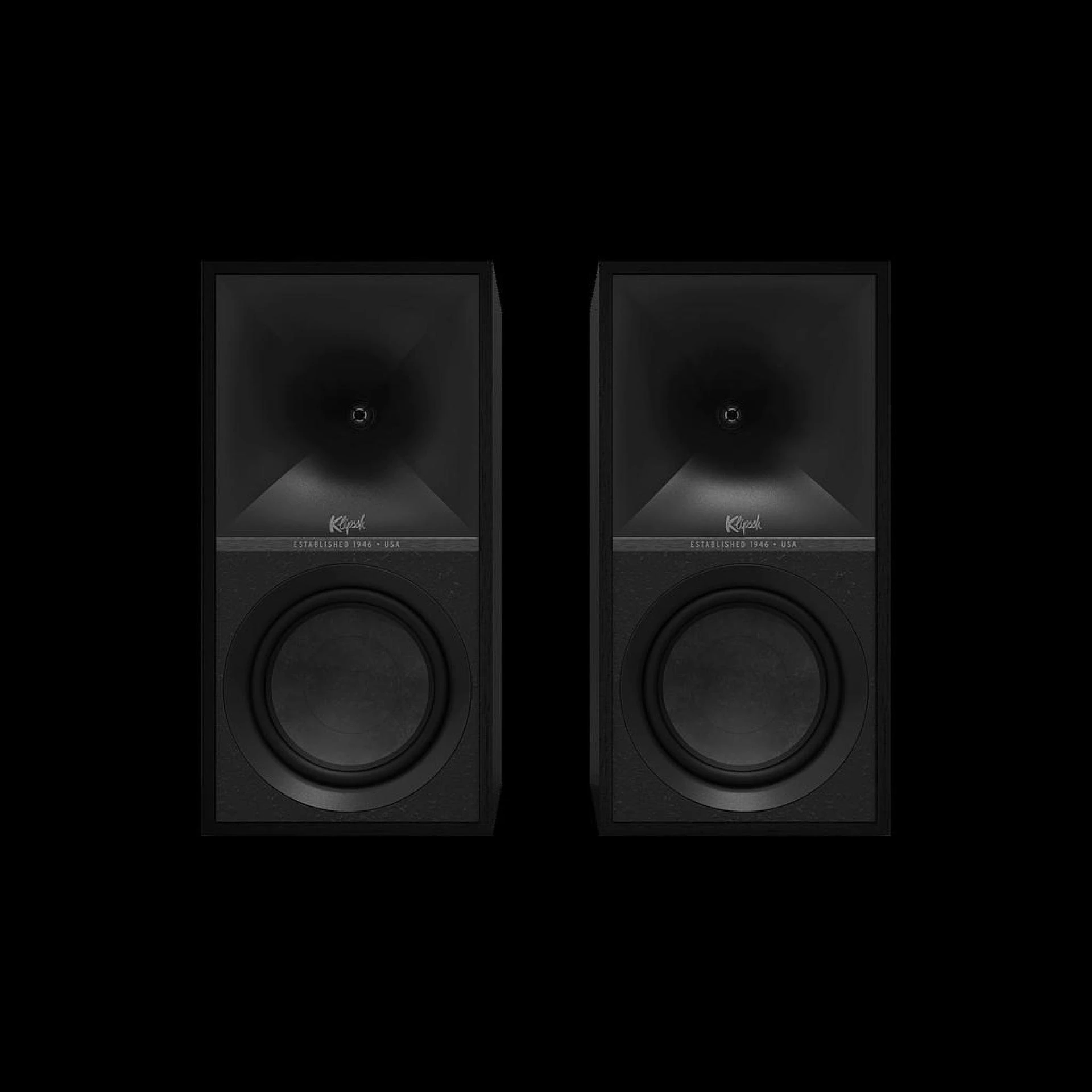
If you are building a home theatre, plan how the projector will connect to your AV receiver, speakers, and other equipment.
Consider the Complete Cost
Your budget should include more than the projector itself. A screen, mounting hardware, cables, sound system, and installation may all contribute to the final cost.
Planning these items together can help you avoid spending too much on one component while overlooking other important parts of your entertainment setup.
7. Final Thoughts: Find the Right Projector for Your Home
Choosing a projector becomes simpler when you understand what each technology offers. Ultra short throw projectors are useful when installation space is limited, 4K projectors focus on detailed images, and laser projectors offer a modern light-source option with a long operating life. Epson projectors provide another range of choices across different applications and specifications.
The best projector for your home depends on your room size, lighting, screen requirements, viewing habits, and budget. Compare specifications carefully and consider the complete entertainment system before making a purchase.
If you are planning a home cinema, Melody Home Theater Store Chandigarh can help you explore projector options and compatible home theatre equipment. From Epson projectors and 4K projectors to laser and ultra short throw models, you can explore solutions for your space, along with screens, AV receivers, speakers, and other components to create a more enjoyable home entertainment experience.

















Sign in to leave a comment.