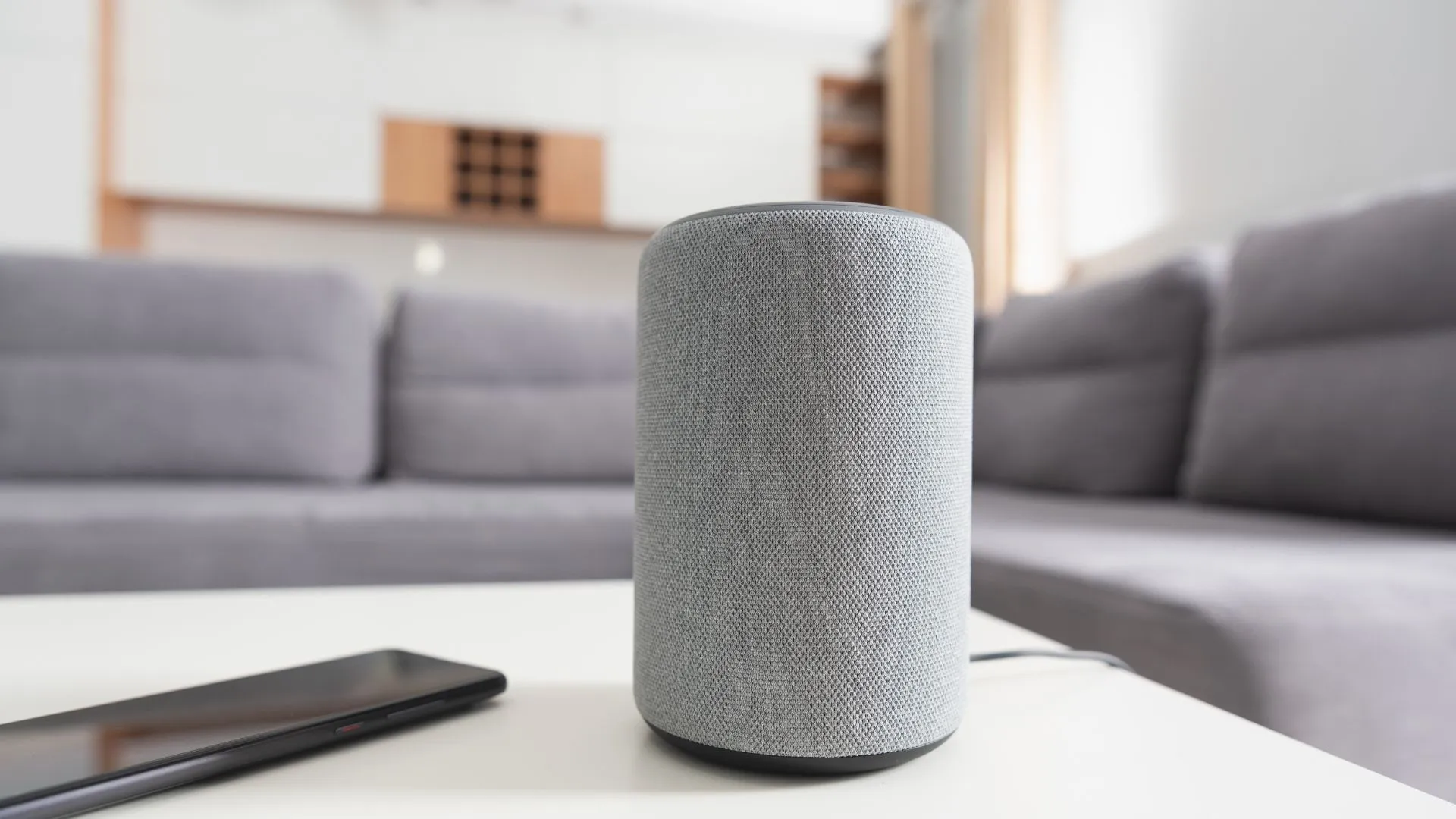


Choosing speakers for a small room involves more than comparing power ratings or picking a design you like. The right speakers should fit your available space, deliver clear sound at comfortable listening levels and connect easily to your devices.
Whether you are setting up a bedroom entertainment system, a study or a compact living room, understanding a few key features can help you make a more informed purchase.
1. Start With Your Room Layout
Before comparing speakers, consider where you plan to use them. A desk setup has different requirements from a living room used for watching films or listening to music.
Measure the available space, including the area around your television, computer or entertainment unit. Consider furniture, nearby walls and your usual listening position.
For example, if your desk is already crowded with a monitor and keyboard, compact desktop speakers may be more practical than a large speaker system. If you have a dedicated entertainment corner, you may have more flexibility with speaker size and placement.
2. Choose a Speaker Size That Fits
Speaker size affects how easily a system fits into your room, but bigger speakers do not automatically produce better sound.
Compact speakers can be convenient for desks, shelves and smaller entertainment spaces. Larger models may offer features or sound characteristics that suit particular listening preferences, but they need sufficient room for comfortable placement.
Think about both the speaker dimensions and the space required around them. Check the product measurements before purchasing, especially if you intend to place the speakers on a shelf or beside a television.
3. Focus on Clear, Balanced Sound
For everyday listening, clarity is often more useful than simply having high volume.
Consider what you listen to most often. If you watch films or online videos, clear dialogue can make conversations easier to follow. If you listen to music, pay attention to whether vocals, instruments and bass sound balanced.
When possible, listen to familiar music or video content before buying. Test the speakers at a comfortable volume rather than judging them only at maximum loudness.
Also remember that room acoustics affect sound. Hard walls, glass surfaces and large furniture can influence how audio is heard in a compact space.
4. Understand Power Ratings
Speaker wattage is useful when comparing specifications, but it should not be the only factor in your decision.
Higher power does not automatically mean better sound quality. The speaker design, sensitivity, amplifier and listening environment also influence performance.
For a small room, consider whether the speakers can provide enough volume for your normal listening distance without noticeable distortion. Check the manufacturer's specifications and compatibility information, particularly if you are purchasing a separate amplifier or receiver.
5. Compare Different Speaker Types
Different speaker types suit different uses and room arrangements.
Multimedia speakers are commonly designed for computers and everyday personal entertainment. They can be practical for study areas, bedrooms and desktop setups.
Bookshelf speakers can work well in compact living rooms or dedicated listening spaces, provided you have a suitable shelf or stand.
Tower speakers take up more floor space and may be more appropriate for larger rooms or setups where their size can be accommodated comfortably.
The most suitable option depends on your available space, audio preferences and connected devices.
6. Check Connectivity Before Buying
Think about which devices you want to connect to your speakers. These might include a desktop computer, laptop, television, smartphone or music player.
Depending on the model, connection options may include Bluetooth, AUX, USB or other audio inputs. Wireless connectivity can help reduce cable clutter, while wired connections may be convenient for a permanent computer or television setup.
Before purchasing, check the supported inputs and confirm that they work with your devices. Do not assume every speaker supports every connection type.
7. Pay Attention to Speaker Placement
Placement can affect how speakers sound, even when the product itself is suitable for your room.
Where possible, avoid blocking the speakers with furniture or placing them in enclosed cabinets unless the manufacturer recommends it. Leave some space around them and experiment with their position.
For a stereo setup, placing the speakers at a similar distance from your listening position can help create a more balanced experience. Small adjustments to their position may improve the sound without requiring additional equipment.
8. Use This Buying Checklist
Before making your purchase, compare the following:
- Dimensions: Will the speakers fit comfortably in your room?
- Intended use: Are they suitable for music, films, gaming or computer audio?
- Sound quality: Do vocals and other sounds remain clear at your preferred volume?
- Connectivity: Can you connect your existing devices?
- Power and compatibility: Do the specifications suit your setup?
- Budget: Does the price leave room for any necessary cables or accessories?
- Warranty: What coverage and after-sales support does the manufacturer provide?
Final Thoughts
Choosing speakers for a small room is about balancing sound quality, size, connectivity and practical use. Start with your room layout, identify the devices you want to connect and compare specifications before making a decision.
For a compact desktop or home entertainment setup, explore the multimedia speakers available from Oscar India and compare the available features to find a product that suits your space and listening needs.






















Sign in to leave a comment.