How to Choose the Right Stainless Steel Kitchen Sink for a Commercial Kitchen

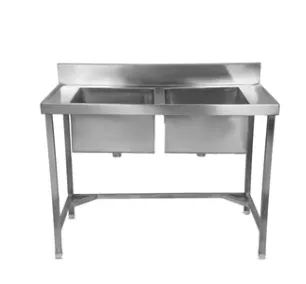
A sink may not be the first piece of equipment that comes to mind when planning a commercial kitchen, but it is one of the most frequently used. From washing vegetables and cleaning utensils to handling food preparation and maintaining hygiene, the sink becomes part of the kitchen routine from opening time until the last cleanup of the day.
For restaurants, hotels, cafés, bakeries, canteens, and catering businesses, choosing the right Stainless Steel Kitchen Sink is therefore an operational decision rather than simply a purchase based on appearance.
The right sink should match the kitchen's workload, available space, cleaning requirements, and overall workflow.
Why Stainless Steel Is Widely Used in Commercial Kitchens
Commercial kitchens need equipment that can withstand regular use. A sink may be exposed to water, food residue, cleaning products, utensils, and heavy cookware throughout the day.
Stainless steel is commonly selected for professional kitchens because it offers a combination of durability, easy maintenance, and a practical surface for food-service environments. It also fits naturally with other stainless steel equipment commonly found in commercial kitchens.
For a busy restaurant, this matters because equipment needs to remain functional and easy to maintain even when the kitchen is handling a high volume of orders.
Choose the Sink According to Your Workload
Not every kitchen needs the same sink configuration.
A small café may require a compact sink for basic preparation and cleaning, while a hotel kitchen or high-volume restaurant may need a larger unit with multiple compartments. Catering kitchens can also have different requirements depending on the volume of cookware and food preparation involved.
Before buying, consider:
- How many staff members will use the sink?
- What type of utensils and cookware will be washed?
- Is it mainly for food preparation or cleaning?
- How much counter space is available?
- Does the kitchen need one or multiple compartments?
- Where are the existing water and drainage connections?
Answering these questions first can make the purchasing decision much easier.
Benefits of a Stainless Steel Sink With Stand
For commercial kitchens where floor space and organization matter, a stainless steel sink with stand can be a practical option. The integrated stand provides support while also keeping the sink at a suitable working height.
The open area underneath may also provide useful clearance for cleaning or, depending on the design, additional storage arrangements.
A stand-mounted sink can be particularly useful in kitchens where a fixed countertop installation is not the most convenient solution. It can also make planning easier when the sink needs to remain separate from preparation counters or cooking equipment.
Consider the Size and Number of Bowls
The number of sink compartments should reflect the tasks performed in the kitchen.
A single-bowl sink may work for straightforward washing requirements, while larger kitchens may benefit from multiple bowls for separating different tasks. For example, one section may be used for washing ingredients while another is used for utensils or general cleaning, depending on the kitchen's operating practices.
The depth also deserves attention. Commercial kitchens frequently handle large pots, trays, and utensils, so a sink that is too shallow may become inconvenient during everyday use.
However, choosing the largest possible sink is not always the answer. It still needs to fit comfortably within the available workspace and allow staff to move around it safely.
Hygiene and Cleaning Should Be a Priority
Cleaning is a daily responsibility in every professional kitchen. A sink should therefore be easy to wash down and maintain between tasks and at the end of a shift.
Smooth surfaces, practical dimensions, accessible corners, and appropriate drainage can all make routine cleaning easier.
Staff should also have enough surrounding space to prevent water from constantly reaching nearby electrical equipment, food storage, or preparation areas. Proper installation and drainage are just as important as the sink itself.
Think About Staff Workflow
Equipment placement can have a direct effect on how employees move through a kitchen.
A sink located too far from the preparation area can create unnecessary movement. A sink positioned directly in a busy passage, however, may interfere with staff carrying hot food or large containers.
The best position depends on the kitchen layout. Ideally, the sink should be placed where it supports preparation and cleaning without creating a bottleneck.
For larger restaurants, it is useful to map out the movement of ingredients, cookware, employees, and finished dishes before finalizing the sink location.
Durability and Long-Term Value
Commercial kitchen equipment should be evaluated over its expected working life, not just by its initial price.
A durable Stainless Steel Kitchen Sink can handle regular washing and cleaning while remaining useful for years when properly maintained. Businesses should look at construction quality, dimensions, support structure, drainage, finish, and suitability for their workload before purchasing.
A slightly higher upfront investment can make sense when the equipment is better suited to demanding daily use and reduces the likelihood of early replacement.
Installation and Maintenance Matter Too
Even a well-built sink will not perform properly if it is poorly installed.
Before installation, check the water supply, drainage position, floor level, available working area, and access for maintenance. The stand should provide stable support, particularly when the sink will regularly hold water, utensils, or heavy cookware.
A stainless steel sink with stand should also be kept clean and dry when not in use. Regular cleaning helps maintain the appearance and supports good kitchen hygiene practices.
Make the Purchase Based on Real Kitchen Needs
The best sink is not necessarily the biggest or most expensive option. It is the one that fits the kitchen's workload, available space, staff requirements, and cleaning routine.
For hotels, restaurants, cafés, and other food-service businesses, selecting commercial equipment with these factors in mind can improve day-to-day workflow and provide better long-term value.
Hotel Kitchen Mart offers commercial kitchen equipment designed for professional food-service requirements, helping businesses choose practical solutions for demanding kitchen environments.
FAQs
What is a Stainless Steel Kitchen Sink used for?
A Stainless Steel Kitchen Sink can be used for washing ingredients, cleaning utensils, handling cookware, and carrying out other preparation and cleaning tasks in commercial kitchens.
Is a stainless steel sink suitable for restaurants?
Yes. Stainless steel is widely used in commercial kitchens because it is durable, practical, and relatively easy to clean. The appropriate sink size and configuration depend on the restaurant's workload.
What are the benefits of a stainless steel sink with stand?
A stainless steel sink with stand provides a supported, standalone washing station and can be useful where a countertop-mounted sink is not suitable. The design can also make floor cleaning and kitchen planning more convenient.
How many sink bowls does a commercial kitchen need?
There is no single requirement for every kitchen. The number of bowls should be based on the type of food preparation, cleaning tasks, available space, staff workflow, and applicable hygiene requirements.
What should I check before buying a commercial kitchen sink?
Check the sink's dimensions, bowl depth, material and construction, stand strength, drainage arrangement, installation space, and suitability for the amount and type of work performed in the kitchen.
How can a sink improve commercial kitchen efficiency?
A properly positioned sink can reduce unnecessary movement between preparation and cleaning areas. Choosing the right size and configuration also makes it easier for staff to handle ingredients, utensils, and cookware during busy service periods.


Sign in to leave a comment.