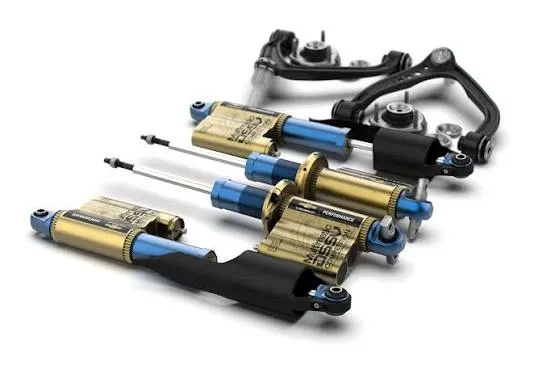

A vehicle’s suspension affects much more than ride comfort. It influences handling, stability, traction, braking control, and how confidently a vehicle performs on uneven roads. For drivers who want more capability from their trucks or SUVs, upgrading the factory setup can be an effective way to improve overall performance.
With so many options available, choosing the right suspension components can be challenging. From aftermarket suspension upgrades to off-road shocks and struts, each component serves a different purpose. Understanding what your vehicle needs can help you build a suspension setup that delivers the right combination of control, durability, and performance.
Why Consider Aftermarket Suspension Upgrades?
Factory suspension systems are developed to provide a balance between comfort, handling, cost, and everyday usability. However, that balance may not suit every driver.
Aftermarket suspension upgrades allow vehicle owners to adjust their suspension according to specific driving conditions. Someone who regularly drives on highways may want improved handling and stability, while an off-road enthusiast may prioritize ground clearance, suspension travel, and durability.
Some common reasons for upgrading include:
- Improving handling and cornering
- Increasing ground clearance
- Supporting larger tires
- Enhancing off-road capability
- Improving suspension control
- Supporting additional vehicle weight
- Replacing worn factory components
The most effective upgrade is not necessarily the most aggressive one. It is the setup that matches how the vehicle is actually used.
Understanding Aftermarket Suspension Systems
Aftermarket suspension systems can include several components designed to work together. Depending on the application, a system may include springs, shock absorbers, struts, mounting components, and other suspension hardware.
Choosing components as a complete system can help ensure that the parts work together correctly. For example, changing spring rates without considering shock performance can affect how the suspension behaves.
When comparing aftermarket suspension systems, consider the vehicle's weight, tire size, driving environment, and intended use. A truck built primarily for commuting will have different requirements from one regularly used for towing or trail driving.
Vehicle Suspension Upgrades for Different Driving Needs
Vehicle suspension upgrades should always begin with the driver's goals.
For everyday driving, improved suspension control can make the vehicle feel more stable during cornering and braking. Drivers may also notice better control when traveling over rough pavement.
For performance applications, suspension upgrades may focus on reducing unwanted body movement and improving responsiveness. For off-road vehicles, the priorities can include additional clearance, suspension travel, and stronger components.
It is important to avoid choosing parts simply because they offer the highest lift or stiffest settings. A suspension that is too aggressive for a vehicle's normal use can negatively affect comfort and handling.
Choosing Performance Suspension Systems
Performance suspension systems are designed for drivers who want greater control and responsiveness. Depending on the vehicle and application, these systems can improve how quickly the suspension reacts to steering inputs and changes in road conditions.
A performance-focused setup may use upgraded springs and shocks that are carefully matched to the vehicle. This can help provide more predictable handling when cornering or driving at higher speeds.
However, suspension performance is influenced by more than the suspension itself. Tires, wheels, alignment, vehicle weight, and other modifications can all affect the final driving experience.
For this reason, suspension upgrades should be considered as part of the vehicle's overall setup.
When Are Aftermarket Suspension Kits Useful?
Aftermarket suspension kits can be particularly useful when several suspension components need to be upgraded at the same time. Instead of selecting individual parts separately, a kit may provide components designed to work together.
This can simplify the upgrade process while providing a more consistent result.
Before selecting aftermarket suspension kits, check the vehicle's exact specifications. Make sure the kit is designed for the correct model, year, drivetrain, and intended application.
It is also important to understand how a suspension change may affect other components. Changes in ride height, for example, can influence alignment, tire clearance, driveline angles, and steering geometry.
Exploring Off-Road Suspension Kits
Drivers who regularly travel beyond paved roads often have different suspension requirements. Rocks, ruts, steep terrain, sand, and uneven trails can place considerably more stress on suspension components.
Off-road suspension kits are designed to address some of these demands. Depending on the configuration, they may provide increased ride height, improved suspension travel, and components designed for challenging terrain.
However, off-road performance should not be judged by lift height alone. A well-designed suspension should provide controlled movement and maintain good contact between the tires and the terrain.
When selecting a kit, consider the type of trails you typically drive rather than choosing components based solely on their maximum specifications.
Off Road Suspension Upgrades and Ground Clearance
One of the most common reasons drivers choose off road suspension upgrades is to increase ground clearance.
Additional clearance can help reduce the risk of obstacles contacting the underside of the vehicle. It can also provide additional room for larger tires, depending on the vehicle and suspension configuration.
However, increasing ride height changes the vehicle's center of gravity and may affect handling. It is therefore important to select a suspension setup that maintains a practical balance between clearance and stability.
A proper alignment after installation is also essential to help maintain predictable handling and reduce unnecessary tire wear.
Selecting Off Road Truck Suspension Systems
Trucks used for off-road driving often need suspension components capable of handling additional weight and repeated impacts. Off road truck suspension systems can be configured for different applications, including trail driving, overlanding, towing, and recreational use.
Before upgrading a truck, consider any additional equipment it carries. Heavy bumpers, recovery equipment, storage systems, larger tires, and other accessories can significantly change the vehicle's weight.
The suspension should be selected around the truck's actual configuration rather than its original factory weight alone.
The Importance of Off Road Truck Shocks
Shocks play a critical role in controlling suspension movement. Springs support the vehicle, but shocks help control how quickly the suspension compresses and rebounds.
This makes off road truck shocks particularly important for vehicles that regularly encounter uneven terrain. A suitable shock can help keep suspension movement controlled when the vehicle travels over bumps, dips, and obstacles.
The correct shock depends on several factors, including vehicle weight, suspension configuration, tire size, and driving conditions.
For heavily modified trucks, choosing shocks specifically designed for the suspension setup can help achieve more predictable performance.
Springs and Shocks Must Work Together
A suspension system works as a combination of components rather than a collection of independent parts. Springs and shocks must complement one another.
Springs determine how the vehicle is supported and how the suspension responds to load. Shocks control suspension movement and help prevent excessive bouncing.
When selecting springs and shocks, consider their intended application and specifications. A mismatch between components can result in an uncomfortable ride or poor suspension control.
This is why complete suspension planning is often more effective than replacing individual parts without considering the rest of the system.
Performance Truck Shocks vs. Performance Shocks for Cars
Trucks and cars have different suspension requirements. Performance truck shocks generally need to account for greater vehicle weight, cargo, towing requirements, and potentially demanding off-road conditions.
In comparison, performance shocks for cars are often selected primarily for handling, cornering response, and road performance.
Neither option is universally better. The correct choice depends on the vehicle and how it is used.
Drivers should also consider whether the vehicle remains primarily a daily driver or has been modified specifically for performance or off-road use.
Understanding Off Road Shocks and Struts
Off road shocks and struts need to withstand repeated suspension movement and challenging terrain. Depending on the vehicle, both shocks and struts may be part of the suspension design.
When replacing these components, it is important to inspect related suspension parts as well. Worn bushings, mounts, springs, or other components can affect the performance of new shocks and struts.
A complete inspection can help identify problems before new components are installed.
Build a Suspension Setup That Matches Your Vehicle 🚙
The right suspension upgrade should reflect the way you drive. Whether your goal is improved highway handling, additional clearance, better trail performance, or greater support for a modified truck, there are suspension solutions available for different needs.
From aftermarket suspension systems and aftermarket suspension kits to off-road suspension kits, performance shocks for cars, and off road truck shocks, selecting compatible components is essential for achieving balanced results.
Before making changes, consider your vehicle's weight, tires, driving conditions, and intended use. A properly matched combination of springs, shocks, and other suspension components can provide better control and confidence without compromising the vehicle's overall drivability. 🛠️
Conclusion
Aftermarket suspension upgrades can significantly change the way a truck, SUV, or car performs. The key is choosing components that complement one another and match your specific driving requirements.
Whether you're preparing a truck for off-road adventures or improving the handling of a daily driver, carefully selected suspension components can help deliver better stability, control, and capability. With the right setup, your vehicle can be better prepared for everything from everyday roads to demanding terrain. 🚙✨
























Sign in to leave a comment.