

International shipping of temperature-sensitive products requires careful monitoring throughout the supply chain. Pharmaceuticals, vaccines, food products, chemicals, biological samples, and other sensitive goods can be affected by temperature fluctuations during transportation. A reliable temperature data logger for export helps businesses record temperature conditions throughout the shipment and provides useful data for quality control and compliance.
What Is a Temperature Data Logger for Export?
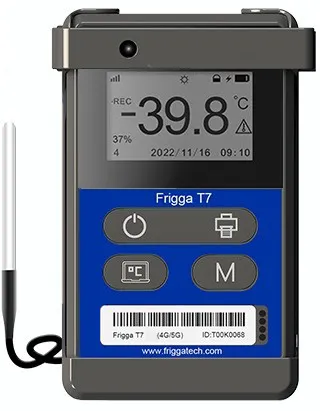
A temperature data logger for export is a monitoring device designed to record temperature conditions during the transportation of products across domestic or international routes. The device continuously measures temperature at predefined intervals and stores the recorded information for later analysis.
Depending on the application, exporters can use single-use, reusable, USB, wireless, or real-time temperature data loggers. The appropriate device depends on shipment duration, product requirements, transportation method, and monitoring objectives.
For international shipments, temperature monitoring can provide valuable evidence that products were transported within their required temperature range.
Why Temperature Monitoring Matters During Export
Export shipments may pass through multiple locations, transportation modes, warehouses, customs facilities, and distribution centers. During these stages, products may experience unexpected temperature changes.
A temperature monitoring device can help identify these variations by creating a continuous record of shipment conditions.
For example, pharmaceutical products may require controlled temperature conditions throughout transportation. If a shipment experiences temperatures outside the specified range, the recorded data can help quality teams investigate when and where the excursion occurred.
Using a temperature data logger for export can therefore support:
- Continuous temperature recording
- Shipment condition verification
- Cold chain monitoring
- Quality assurance
- Temperature excursion investigation
- Documentation for customers
- Improved supply chain visibility
Key Features to Consider
Selecting the right logger requires consideration of several technical and operational factors.
1. Temperature Accuracy
Accuracy is important when monitoring products with narrow temperature requirements. A logger should provide measurements suitable for the application and offer dependable performance throughout the shipment.
2. Recording Interval
The recording interval determines how frequently the device captures temperature readings. Shorter intervals can provide more detailed information about temperature changes, while longer intervals may be suitable for less demanding applications.
3. Battery Life
Export shipments can take several days or weeks. The logger should have sufficient battery capacity to operate for the expected duration of transportation.
4. Data Storage
A logger needs adequate memory to store temperature readings for the complete journey. Storage capacity should be considered alongside the recording interval and shipment duration.
5. Easy Data Access
USB and other digital loggers can simplify the process of downloading recorded information. Easy access to data can help logistics teams quickly review shipment conditions after delivery.
6. Alarm or Alert Functions
Some temperature data loggers can identify readings outside predefined limits. Alarm functionality can help users quickly recognize potential temperature excursions.
Applications Across Export Industries
A temperature data logger for export can be used across several industries where temperature control is important.
Pharmaceutical Exports
Pharmaceutical products can require controlled transportation conditions. Temperature loggers can record conditions during international shipping and provide documentation for quality teams.
Vaccine Transportation
Vaccines and other temperature-sensitive healthcare products require careful cold chain management. Temperature monitoring can help document environmental conditions during transportation.
Food and Beverage Exports
Perishable foods, frozen products, dairy products, seafood, and other temperature-sensitive goods can benefit from temperature monitoring during long-distance transportation.
Chemicals and Industrial Products
Some chemicals and specialized industrial materials require controlled temperature conditions. A data logger can help document environmental conditions during transit.
Biological and Laboratory Samples
Laboratory materials and biological samples may have specific temperature requirements. Monitoring devices can provide a record of the conditions experienced during transportation.
How Export Temperature Monitoring Works
The process generally begins before the shipment leaves the facility. The logger is configured according to the shipment requirements, including the recording interval and temperature limits.
The device is then positioned appropriately inside the shipment packaging or transport container. During transportation, it records temperature measurements at predefined intervals.
After the shipment reaches its destination, the recorded data can be accessed and reviewed. Depending on the logger type, information may be downloaded through USB, software, or a connected monitoring platform.
The resulting temperature record can help exporters determine whether the shipment remained within the required temperature range.
Benefits of Using a Temperature Data Logger
Using a temperature data logger for export can provide several operational benefits.
Better shipment visibility: Recorded temperature information gives exporters greater visibility into conditions during transportation.
Improved quality control: Temperature records can support internal quality checks and shipment assessments.
Evidence for customers: Exporters can provide temperature records when customers require documentation of shipment conditions.
Excursion investigation: If an abnormal temperature is detected, recorded information can help identify the timing and duration of the event.
Reduced product risk: Continuous monitoring can help organizations identify temperature-related problems and improve transportation processes.
Better cold chain management: Temperature data can contribute to more effective monitoring across warehouses, vehicles, containers, and international transportation routes.
Choosing the Right Logger for Export Shipments
Every export shipment has different requirements. Before selecting a device, businesses should consider the required temperature range, transportation duration, product sensitivity, shipment size, packaging method, and data retrieval requirements.
For shorter shipments, a compact single-use temperature logger may be practical. For repeated transportation activities, reusable devices can provide a longer-term monitoring solution. For shipments requiring remote visibility, connected or real-time temperature monitoring devices may be more appropriate.
The logger should also be easy to configure, deploy, and download after delivery.
How tempnote Supports Temperature Monitoring
tempnote provides temperature monitoring solutions designed for applications where maintaining and documenting temperature conditions is important. Its range of temperature data loggers can support pharmaceutical, healthcare, food, logistics, and other temperature-sensitive supply chains.
For exporters, selecting the appropriate monitoring device can help create a reliable temperature history for each shipment. Combining suitable data loggers with appropriate insulated packaging, handling procedures, and cold chain practices can strengthen overall shipment management.
Conclusion
International transportation introduces several opportunities for temperature fluctuations, particularly when shipments pass through multiple logistics stages. A reliable temperature data logger for export helps businesses record temperature conditions and evaluate the performance of their cold chain.
By considering accuracy, battery life, recording intervals, memory capacity, alarm functions, and data accessibility, exporters can select a monitoring solution suited to their shipment requirements. With appropriate temperature monitoring and packaging practices, businesses can improve visibility, support quality control, and maintain better documentation throughout the export process.
























Sign in to leave a comment.