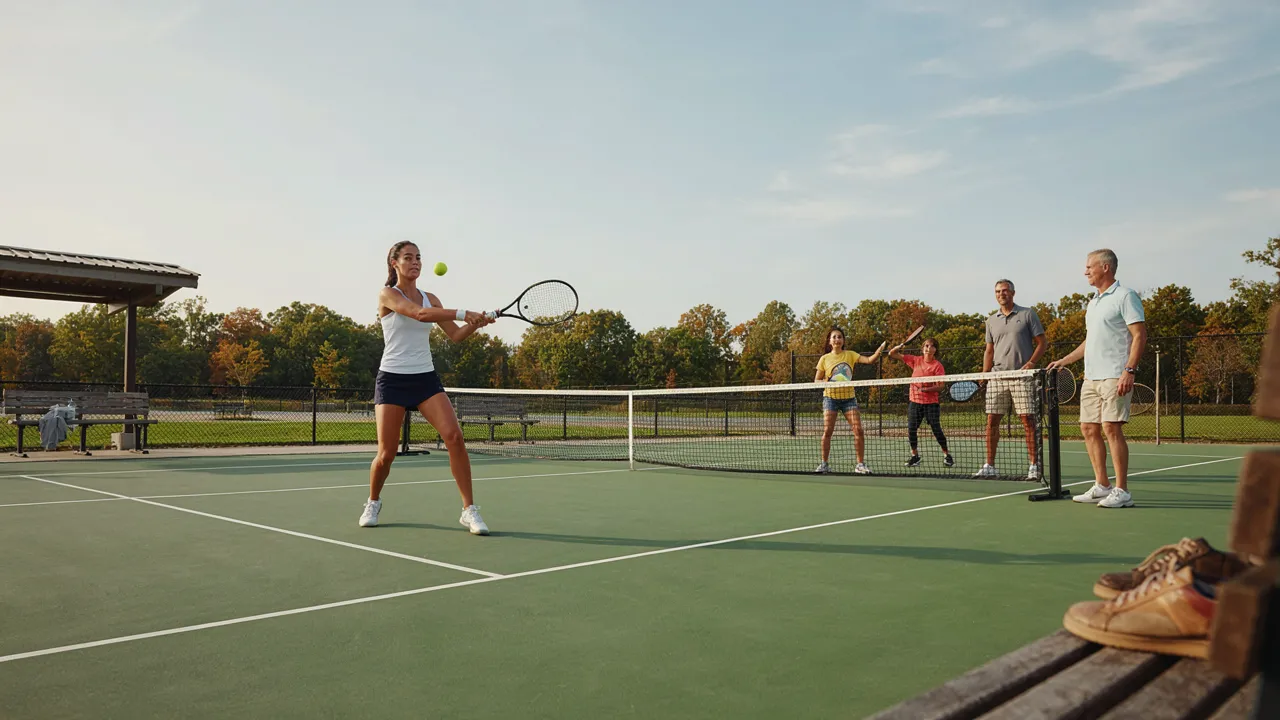

Choosing where to play tennis or pickleball can have a bigger impact on your experience than many players realize. A convenient, well-maintained court can make it easier to practice consistently, while the wrong setting can turn a fun session into a frustrating one.
Whether you are a beginner looking for your first regular court, a competitive player preparing for matches, or someone who simply wants an enjoyable recreational game, there are several factors worth considering.
With so many local court options available, knowing what to look for can help you spend more time playing and less time searching. Here is a practical guide to finding the right court for your needs.
1. Start With Location and Convenience
One of the simplest factors is also one of the most important: location.
The best court is often one you can realistically use on a regular basis. A facility that is close to home, work, school, or other regular activities makes it easier to fit tennis or pickleball into your schedule.
Think about how long it takes to get there, whether parking is convenient, and whether the facility is accessible during the times you normally play. A fantastic court that requires a long drive may not be as useful as a quality facility that is only a few minutes away.
For players in Western New York, comparing local court options in and around Buffalo can also help reveal differences in indoor facilities, outdoor courts, programming, and availability.
Convenience encourages consistency—and consistency is one of the best ways to improve.
2. Consider the Court Surface and Playing Conditions
Not all courts play the same way.
In tennis, surface type can influence ball speed, bounce, movement, and overall playing style. Hard courts, for example, generally provide a consistent bounce and are widely used for recreational and competitive play.
Pickleball players should also pay attention to the quality and condition of the playing surface. Cracks, uneven areas, worn coatings, or poor drainage can affect both performance and safety.
If you are choosing between facilities, look beyond photographs. Ask about court maintenance and inspect the playing area when possible.
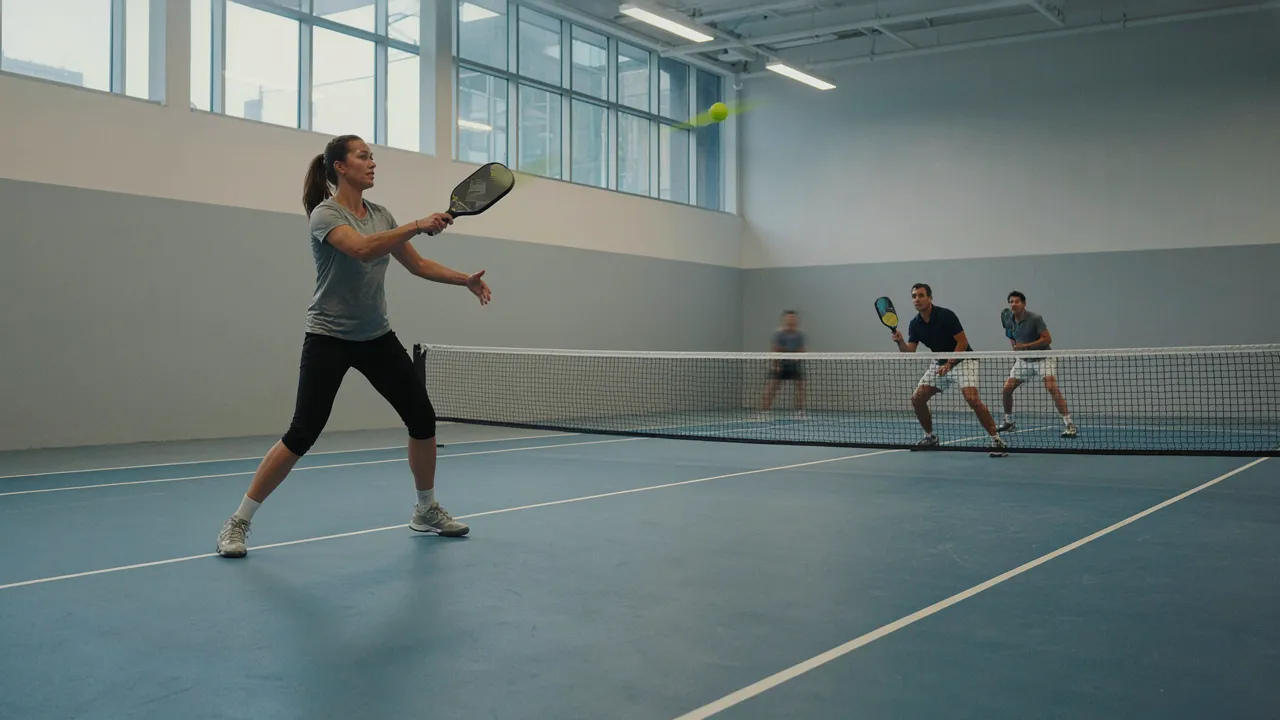
Lighting matters, too. Players who enjoy evening sessions should make sure the courts are adequately illuminated without excessive glare. For indoor facilities, ceiling height, lighting, temperature, and ventilation can all influence comfort.
A quality court should allow you to focus on your game rather than the conditions around you.
3. Match the Court to Your Skill Level and Goals
Your ideal court can depend heavily on what you want to accomplish.
A beginner may prioritize a welcoming environment, lessons, beginner programs, and opportunities to meet other players. Someone training for competition may care more about court availability, consistent playing conditions, coaching, leagues, and access to experienced opponents.
Families may want facilities offering junior programming and activities for different age groups. Recreational players, meanwhile, may place a higher priority on flexible scheduling and social opportunities.
When choosing a tennis or pickleball court, ask yourself a simple question: What do I want to get from my time on the court?
If your goal is improvement, choose a facility that supports development. If your goal is fitness and fun, prioritize convenience and a comfortable atmosphere. If competition motivates you, look for leagues, tournaments, or organized play.
The right facility should fit your current goals while giving you opportunities to grow.
4. Look at Availability, Scheduling, and Court Access
A beautiful facility does not help much if you can never get a court when you want one.
Before committing to a facility, investigate how court reservations work. Some facilities use advance booking systems, while others offer walk-in or first-come, first-served access.
Pay attention to peak periods. Early mornings, evenings, and weekends may be particularly popular. Ask whether members receive priority booking and how far in advance reservations can be made.
Indoor courts can be especially valuable in Western New York because weather does not always cooperate with outdoor tennis and pickleball. Having dependable indoor access can help players maintain a regular routine throughout the year.
If you usually play at specific times, availability should be one of your top considerations when finding the right court.
5. Evaluate Amenities and the Overall Facility
The court itself is only part of the experience.
Look at the facility as a whole. Is there adequate parking? Are restrooms and seating areas clean? Is equipment available to rent or purchase? Does the facility provide ball machines, practice areas, pro shops, or other useful resources?
For families, additional amenities can make a significant difference. Parents may appreciate facilities where children can participate in lessons or organized activities while adults play.
The atmosphere matters, too. Some players prefer a competitive environment, while others enjoy a relaxed and social setting.
A good tennis or pickleball facility should feel comfortable and welcoming. You are more likely to return regularly when you enjoy spending time there.
6. Think Beyond the Court: Community and Long-Term Value
Perhaps the most overlooked factor when choosing a tennis or pickleball court is the community surrounding it.
Racket sports are social by nature. The people you meet can become practice partners, teammates, competitors, coaches, and friends. A facility with leagues, clinics, open play, junior programs, and community events can provide much more value than access to a court alone.
For someone just getting started, this can be particularly important. Knowing that there are other players at a similar level makes it easier to stay motivated and continue learning.
Experienced players can benefit as well. Regular competition and organized activities create opportunities to challenge yourself and expand your network of playing partners.
Instead of asking only, "Is this a good court?" consider asking, "Is this a good place for me to play regularly?"
Making the Right Choice
There is no single court that is perfect for every player. The best choice depends on your location, schedule, playing ability, goals, budget, and preferred environment.
Start by identifying your priorities, then compare the local court options available to you. Consider surface quality, accessibility, scheduling, amenities, programming, and community atmosphere before making your decision.
Most importantly, do not overcomplicate it. The right court is one that makes you want to pick up your racket, invite a friend, and get back on the court.
For tennis and pickleball players across Western New York, finding the right court can be the first step toward playing more consistently, improving your skills, and enjoying the sport for years to come.

























Sign in to leave a comment.