

Time-lapse photography turns gradual changes into compelling visual stories. From construction projects and changing landscapes to cloud formations and approaching storms, this technique can reveal movement and transformation that ordinary photographs cannot capture in a single frame.
Choosing the right professional is important because a successful time-lapse requires more than a camera and a tripod. Experienced Timelapse Photographers understand camera settings, exposure consistency, equipment protection, interval planning, and post-production.
Define the Purpose of Your Time-Lapse Project
Start by identifying what the final video needs to communicate. A construction company may want to document progress over several months, while a marketing agency may need a short video showing changing weather conditions.
The project's purpose determines the shooting interval, camera position, recording duration, and final video format.
For example, rapidly moving clouds may require frequent captures, while a building project may need photographs at longer intervals over an extended period. Discuss these requirements with potential photographers before making a decision.
Review the Photographer's Portfolio
A portfolio provides valuable evidence of a photographer's technical ability and creative style. Look for projects similar to yours rather than evaluating a photographer solely on individual images.
When reviewing time-lapse work, pay attention to:
- Smooth transitions between frames.
- Consistent exposure and color.
- Stable camera positioning.
- Natural movement and realistic detail.
- Effective composition and storytelling.
- High-quality final video production.
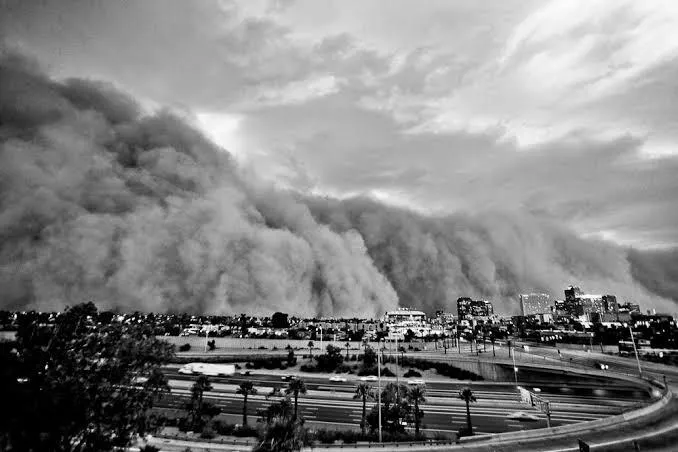
For weather-related projects, examine how the photographer handles changing light, cloud movement, and dramatic atmospheric conditions.
Mike Olbinski is known for time-lapse films featuring storms, clouds, and landscapes. His work can provide a useful reference when evaluating the visual style and technical quality needed for weather-focused projects.
Ask About Equipment and Weather Protection
Outdoor time-lapse photography can involve significant technical challenges. Rain, wind, dust, temperature changes, and direct sunlight may affect both equipment and image consistency.
Ask how the photographer plans to protect cameras, maintain stable positioning, manage power, and monitor equipment during long recording periods.
For extended projects, discuss backup equipment and procedures for dealing with unexpected interruptions. These precautions are particularly important when missing a recording period could affect the entire final sequence.
Understand the Production Timeline
Time-lapse projects often involve more than the actual recording period. Planning, installation, monitoring, file management, editing, color correction, and final delivery all contribute to the schedule.
Before hiring someone, establish the expected recording duration and delivery date. Confirm whether the quote includes editing, music, revisions, travel, equipment rental, and additional filming days.
A written agreement can help clarify responsibilities and reduce misunderstandings.
Compare Pricing and Deliverables
The cost of hiring Timelapse Photographers depends on the project's duration, technical complexity, location, equipment requirements, and editing needs.
Instead of comparing prices alone, evaluate what each proposal includes. One photographer may provide only captured footage, while another may deliver a finished video optimized for websites, presentations, and social media.
Ask about video resolution, aspect ratios, file formats, licensing, and ownership rights. If the video will be used in paid advertising, confirm that the agreed terms cover commercial use.
Choose a Photographer Who Communicates Clearly
A professional should be able to explain the project workflow, identify potential challenges, and recommend practical solutions. Clear communication is particularly valuable when a project depends on weather conditions or requires access to a construction site.
Request a detailed proposal that outlines milestones, technical requirements, and expected outcomes.
Final Thoughts
The right Timelapse Photographers combine technical reliability with strong visual storytelling. Reviewing portfolios, discussing equipment protection, confirming deliverables, and understanding licensing terms can help ensure the final video meets your objectives.
For projects involving storms, moving clouds, or dramatic skies, Mike Olbinski's time-lapse portfolio offers an example of how changing natural conditions can become engaging visual content.





















Sign in to leave a comment.